


Top Trending Advertising/Media News & Highlights


Connecting Local Environmental Factors With UFO Sightings?
UFOs, or unexplained aerial phenomena, have long been observed in the sky. Although preliminary research produced no solid proof, a recent study proposes a connection between sighting sites and their environs. After looking over two decades' worth of UAP reports, researchers discovered that locations with clear skies, low light pollution, and unhindered views had a higher frequency. There could be a number of reasons for this correlation, including better visibility that makes it possible to see more unusual objects. The study emphasizes how crucial environmental variables are to the analysis of UAP sightings.Investigating UFO sightings, researchers at the University of Utah sought to determine if there was a relationship between the location of sightings and the surrounding environment. They examined close to 100,000 National UFO Research Center reports over a 20-year period (2001-2020). For every county in the continental United States, they took into account two factors: the likelihood that something might be up there (airports, military bases) and how clear the sky is (light pollution, clouds, trees). Due to the wide open spaces and darkness in the western US, the results indicated a higher number of sightings. It's interesting to note that locations with heavy air traffic or a military presence were frequently hotspots for reports. This implies that individuals may be perceiving real objects but are merely unable to identify them. Lead author of the study and University of Utah associate professor of geography Richard Medina explained, "The idea is that if you have a chance to see something, then it's more likely that you're going to see unexplained phenomena in the sky." "With more technology than ever in the sky, one must wonder: What are people really seeing? Answering this question is difficult, but it's crucial since any ambiguity could pose a risk to national security."
Published 02 Mar 2024 06:29 PM

According to US think tank Brookings, India has eradicated extreme poverty.
In a recent report, the American think tank Brookings Institution praised India for having eradicated extreme poverty, a major development in the country's socioeconomic landscape. The report, authored by economists Surjit Bhalla and Karan Bhasin, credits the success to the Indian government's aggressive redistribution-focused policy initiatives over the previous ten years that have promoted inclusive growth. According to the study's statistics, household consumption has increased while the headcount poverty ratio has significantly decreased. The data challenged the World Bank's earlier estimates, suggesting that there are fewer poor people in India.The study indicates that a key element behind this achievement is the combination of robust economic expansion and a notable decline in income inequality. From 12.2% in 2011–12 to just 2% in 2022–2023 at the purchase power parity $1.9 level, the "headcount poverty ratio" fell precipitously.The authors argued that the government's steadfast commitment to redistribution is the reason behind the higher growth in consumption in rural areas. According to the study, publicly funded programs like the national drive to build toilets and the push for universal access to electricity, modern cooking fuel, and piped water have been crucial. The report highlights the impact of these policies by pointing out that rural access to piped water has increased dramatically from 16.8% in August 2019 to an astounding 74.7% at this time. The authors stress that India's transition from extreme poverty to a lower poverty line signals both the need for the country to advance to a higher poverty line and positive implications for global poverty rates. The publication of the study coincides with the recessions of Japan and the UK, two of the largest economies in the world. The United Kingdom has officially entered a recession after revealing a 0.3 percent contraction in the fourth quarter of 2023. Japan, which was once expected to have the greatest economy in the world, has also been having difficulty recovering from the Covid pandemic
Published 02 Mar 2024 05:57 PM

A US man has won the lottery twice in six months, this time for ₹ 90 lakh.
After winning a whooping $110,000 (about Rs 91,13098) Fantasy 5 Double Play lottery jackpot for the second time in six months, a fortunate man from Wayne County, Michigan, is rejoicing. The winning ticket for the drawing on February 11th was bought by the 59-year-old winner, who opted to stay anonymous, at a BP gas station located on West 9 Mile Road in Southfield. It's interesting to note that he has previously experienced lottery luck. Using the same set of numbers (02-06-11-20-23), he had previously won the exact same jackpot amount in the Fantasy 5 Double Play drawing on August 31, 2023."After winning $110,000 back in August, I switched up my Fantasy 5 numbers," said the player. "I went to the store with my tickets to double-check and replay them. After scanning the tickets and giving one back to me, the clerk exclaimed, "I think you won big!" "There is no way, I can't be that lucky," I reasoned. As I checked the winning numbers, I saw that I had won once more! It was unbelievable to me. It is truly a blessing to win!" As he considered how to spend his windfall, the winner expressed his happiness at this amazing turn of events. He paid off debt with the first prize, and now he looks forward to enjoying this second win.
Published 02 Mar 2024 05:52 PM

Jackky Bhagnani and Rakul Preet Singh, recent brides, visit the Golden Temple
Jackky Bhagnani and Rakul Preet Singh are newlyweds; please don't bother them. They're in Punjab visiting Rakul's parents and having a great time. You might wonder how we know. Rakul has posted photos to Instagram Stories from their trip. Along with her parents, the actress visited the Golden Temple in Amritsar. Rakul and Jackky can be seen grinning at the camera in the picture. Keep an eye out for the stunning temple in the distance. Rakul chose a yellow suit for their outing. Jackky matched her outfit with a red kurta and white pants. "Blessed" is what Rakul wrote alongside the picture. She also shared an emoji of a red heart and folded hands. On February 21, the couple wed in a picturesque beach ceremony in Goa.On Instagram, Rakul Preet Singh has been posting pictures from her dream wedding. She posted a number of images from their haldi ceremony on Thursday. The actress captioned the photo, "Love and laughter."
Published 01 Mar 2024 09:10 PM


Advertising/Media
Advertising and Media are the essential verticals in any country and both goes parallely while deciding any strategy for promotions. Advertising has been segregrated between Online & Offline advertising which has further wings under them whereas the Media is also categorize in Offline which is Traditional Media like TV, Newspaper, Magazine and its Online Media form which is through digital platforms like Websites, Social Media, Video Channels and others.

How HRtech Startup Erekrut Is Revolutionizing Employers Hiring and Employee Job Search Processes
Since the start of the Covid-19 outbreak, hiring has been erratic. The alternatives available to recruiters have changed over time, ranging from totally remote, tech-driven interviews to in-person meetings brought on by the present back-to-office demands. Job seekers have also witnessed seismic shifts, with tech giants facing broad cuts and the "Great Resignation" giving way to enormous layoffs. Nevertheless, it's still difficult to get qualified applicants through the door, even in this unstable labor market. As a result, businesses and recruiting managers seek to create a talent pipeline that is both efficient and affordable, as well as future-proof recruitment. There are numerous elements to a successful talent hunt, such as finding the ideal candidate, creating a memorable application process, and providing individualized growth plans. Additionally, hiring must be quick and scalable in order to avoid losing out on top talent, income, and credibility for the business. To keep ahead of the curve, nothing really works better than quickly identifying the top candidates for open positions and automating processes.

Top Print Advertisers from July to September 23, 23: TAM AdEx, SBS Biotech, Maruti Suzuki, and Kia
In 2023, Top10VPN calculated the worldwide economic impact of shutdowns, which included 79,238 hours of government-mandated internet outages, to be $9.01 billion. This indicates that India was responsible for approximately 6.5% of the total economic damage caused by internet outages worldwide.The cost of these disruptions—which included significant ISP throttling, internet blackouts, and shutdowns of social media—was estimated using a variety of metrics from the US Census, the World Bank, the ITU, and Eurostat.In India, internet outages are not unusual. India experienced 92 internet shutdown occurrences in 2023, and just a few days into 2024, the nation has already recorded another internet outage, according to SFLC.in's internet shutdown tracker. Furthermore, the Center has a history of taking action against particular websites and pressuring social media companies to remove content at their request. Authorities have disagreed with digital rights advocates over shutdowns, despite citing grounds including putting an end to rumors and misinformation.Since many users rely on online services for information and business, internet disruptions come at a high cost since they reduce trade, which has an economic impact.

Moves and win roundup: Week of January 2, 2024
The media agency for Publicis Groupe, Starcom, has announced a new win: starting in 2024, Starcom Indonesia will serve as BMW Group's media agency of record, joining Starcom in China and Singapore, which will continue to hold that title in their respective regions. As the media agency of record in these markets, Starcom will oversee strategic planning, media buying, and business transformation for all of BMW Group's most iconic brands, including BMW and Mini, after a regional media assessment by BMW Group.Former chief marketing and customer officer of AXA Hong Kong Andrea Wong has left the company to become senior vice president of group marketing and communications at Shangri-La Group. As stated in a LinkedIn post, Wong will work with new colleagues “to further strengthen the hotel brands, create impactful marketing campaigns and PR efforts, and further build up the Shangri-La Circle propositions to deliver superior customer experience.” She will report to Kuok Hui Kwong, the chairman of the group. Wong joined AXA in 2008 and has worked there for more than 20 years. She was appointed CMO of AXA Hong Kong and Macau. To improve its social media marketing service, Innocean has formed a social marketing organization called Innocean S, which is scheduled to open for operation in January 2024. Span Wealth is the newest client of Human, an integrated agency based in Mumbai that was created by Imran Khan and Chirag Raheja. The agency's brief calls for giving the brand a fresh look, incorporating classic elegance, and developing an influential, forward-thinking online presence. With more than 500 crores of assets under management, Span Wealth is a wealth management firm situated in Mumbai. Dorothy Peng announced on LinkedIn that she has become a partner at Deloitte Consulting in Singapore. Peng will be focusing on design and customer strategy in Southeast Asia. She spent more than eight years as an employee of RGA before joining Deloitte. In 2015, she started working for the agency as a group account director. In 2022, she received a promotion to SVP managing director Asia.

Anushka Sharma takes Priyanka Chopra's position as Rajnigandha Pearls' brand face for DS Group.
New Delhi: Bollywood star Anushka Sharma has been named the new brand ambassador for the mouth freshener brand Rajnigandha Pearls by DS Group, the company that makes Pulse sweets and Catch spices. Actress Priyanka Chopra, who has been marketing the brand since 2014, is replaced by her. Anushka Sharma was highlighted in a campaign by L&K Saatchi and Saatchi, an advertising agency, that emphasized the brand's innate goodness. In the TV commercial, Sharma saves a fellow model from a wardrobe malfunction by being the show-stopper at a fashion show. The underlying lesson is that even a small deed of kindness can benefit others.

Least five people are dead when two planes collide at Japan's Haneda airport
At least five people have died after a Coast Guard plane collides with a passenger airliner at Haneda airport in Japan.On January 2, a passenger plane struck a Japanese coast guard aircraft and caught fire on the Haneda Airport runway in Tokyo, according to officials. According to NHK TV, all 379 passengers on Japan Airlines flight JAL-516 were reportedly able to escape the aircraft safely prior to it completely catching fire. The pilot of their aircraft had escaped, according to the Japanese Coast Guard. The five other crew members have been discovered dead, according to NHK. While the Japan Airlines aircraft was taxying on a runway, a significant eruption of smoke and flames could be seen on local TV footage. Then there was a fire in the vicinity of the wing. An hour later, footage revealed the airliner completely on fire.

Network18 and ZEEL reveal the new RIO; modify channel prices and remove bouquets
A new Reference Interconnect Offer (RIO), which will go into effect on February 1, 2024, has been issued by Zee Entertainment Enterprises (ZEEL) Ltd. and IndiaCast, the distribution division of Network18.IndiaCast has introduced new bouquets and discontinued some of its older ones in the new RIO. Additionally, it has changed how much some channels cost. More than 25 bouquets, including Colors Wala Hindi Budget and Colors Wala Hindi Budget Plus, have been canceled by the distributor.(whose cost was Rs 25) and Colors Wala Hindi Value (whose cost was Rs 28). Colors Wala Hindi Value (Rs 34), Colors Wala Hindi Value Plus Sports (Rs 45), and Colors Wala Marathi Value (Rs 40) are among the new products that the distribution arm is selling.Some channels on Network18 have seen price increases, such as Colors Marathi, which was formerly only Rs 10 and is now Rs 15. In a similar vein, Colors Cineplex, which was formerly priced at Rs 3, is now Rs 19.

Ranbir and Konkana return in the most recent OPPO advertisement as
In order to promote the Oppo Reno smartphone series, smartphone manufacturer OPPO just revealed their newest ad. It stars Ranbir Kapoor and Konkana Sen Sharma as two of their most beloved characters, Sid and Aisha, from the movie "Wake Up Sid."The characters' afterlife is captured in the video commercial campaign. Ranbir, who portrayed the aspiring photographer Sid, is shown using the just released OPPO phone to record a significant occasion."Simply capturing life with a special friend, just like Sid!" is the film's tagline and main idea.Famous Innovations is the person who conceptualized the movie. "Reno 11 Series is positioned as a Portrait Expert with this campaign; the phone boasts a superior camera, and who better to bring that alive than everyone's favorite photographer character, Sid from Wake Up Sid?" an agency spokesman remarked in reference to the same. We made an effort to depict the characters' life changes and provide a window into a unique time spent with Ayesha, Laxmi, and Rishi. People would feel nostalgic after watching this movie and be curious to learn more."

Why 2024 will be a year of entertainment media mergers
An existential crisis is plaguing India's entertainment industry as a result of changes in customer behavior. Globally, traditional media companies are likewise having difficulty and are looking to consolidate in order to maintain their heritage operations and reduce losses from their digital endeavors. The OTT market is having difficulties as audience growth slows and content costs rise. Indian broadcasting companies are experimenting with hybrid OTT revenue models, but they are up against e-commerce sites and software titans for digital ad dollars. The industry is at a loss as to how to proceed, whether it be through mergers or modifications to business structures.Will the business of linear television face an acceleration of collapse by 2024? Will broadcasting businesses be merging this year? Will internet behemoths in the technology sector steal viewers and money from over-the-top (OTT) video streaming services, or will they be able to survive? India's sizable entertainment corporations are facing challenges from digitally-powered businesses and changing consumer behavior, leading them to ask some unsettling questions.

CCDT and MnM Talkies Work Together for Human Rights #KripyaDhyanDein
Leading content provider MnM Talkies, which specializes in audio stories and podcasts, has partnered with Committed regions Development Trust (CCDT), a nonprofit committed to helping impoverished children in underserved regions. Together, they hope to produce an engaging audio project that uses sound's immersive quality to highlight human rights abuses, especially those that impact women and children. By collaborating with CCDT, an organization dedicated to advancing fairness and defending the rights of underprivileged children and families, MnM Talkies raises awareness of the voices of people whose tales are frequently ignored. nearly the course of the last 30 years, CCDT's commitment to the Sustainable Development Goals established by the United Nations has had a significant influence on the lives of nearly 2 million children and families in distress throughout Maharashtra by propelling rights- and needs-based initiatives.Under the moniker "Kripya Dhyaan Dein" (Please Pay Attention), the cooperation has produced a number of audio wonders that aim to awaken the public and inspire them to pay attentive attention to the stories of persons around them. MnM Talkies and CCDT have skillfully communicated the urgency of human rights awareness, demonstrating sympathy with those impacted by abuses through fictional storylines grounded in real-life experiences. These powerful tales, which can be found on social media and different audio platforms, operate as a call to action for people to change the world and speak up in favor of human rights. This endeavor serves as a light of hope in the face of global human rights crises, inspiring listeners to deeply engage with these issues. The world needs transformative actions. In the spirit


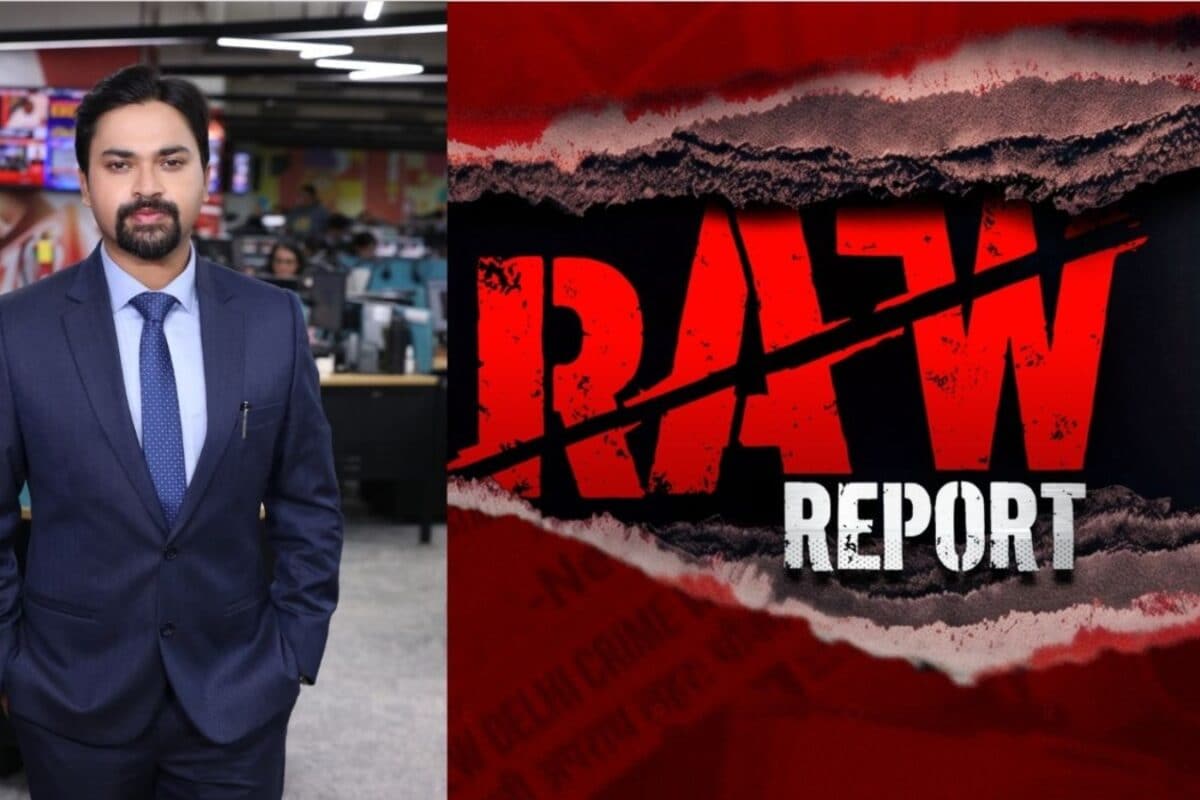
CNN-News18 introduces Shawan Sens Raw Report
Shawan Sen, a professional journalist, is the anchor of CNN-News18's new program, Raw Report. Starting on August 3, the program will air on television, connected TV (CTV), and YouTube on weekdays at 12 and 10 p.m. By providing exclusive stories, ground reporting, and context surrounding the day's most significant events, Raw Report seeks to go beyond headlines by fusing live reporting with in-depth analysis. Using the network's reach, each edition will aim to provide viewers with a new, unique perspective on the most important news of the day.The article that sets the agenda for the day will be the main topic of the 12 p.m. edition. The show will explain developments using on-the-ground reporting, in-depth images, and crisp, data-driven graphics rather than just broadcasting breaking news, assisting viewers in comprehending the wider picture as events take place.A thorough summary of the day's most important domestic and international stories will be provided in the 10 p.m. edition. It will give viewers a 360-degree view of the events influencing the news cycle, based on in-depth reporting and perceptive analysis. Every story that Raw Report covers will include an exclusive news break in addition to a major newsmaker of the day. For the second time, Shawan Sen has joined CNN-News18 as Executive Editor – Enterprise & Special Investigations. From September 2012 to July 2016, he covered crime, defence, and intelligence services as a Senior Correspondent for CNN-IBN. He has also collaborated with Times Network, Republic TV, The Times of India, and The Indian Express over the years.Rahul Shivshankar, Editorial Affairs Director, CNN-News18, announced the launch, saying, "As the nation's top English news channel, we have to keep evolving with it. News consumption is changing rapidly." At CNN-News18, we're always experimenting with formats to increase the engagement of our reporting without sacrificing authenticity. One such step is the Raw Report. Original reporting, enterprising journalism, and insightful analysis are its cornerstones. Shawan's return demonstrates our dedication to bolstering our editorial staff with some of the best journalists in the industry. He is a great asset to our newsroom because of his background as a field reporter and his knack for breaking news."Shawan Sen, Executive Editor-Enterprise & Special Investigations at CNN-News18, offered his thoughts on the new program: "Returning to CNN-News18 is special because it's a newsroom that has always believed in strong reporting." Being where the news is, getting to the facts first, and providing viewers with verified, first-hand information are the cornerstones of the journalism I've practiced throughout my career. The goal is to cut through the clutter and provide a clear explanation of each story's essential elements. We've done our job if viewers leave believing what we report and comprehending the narrative more fully."
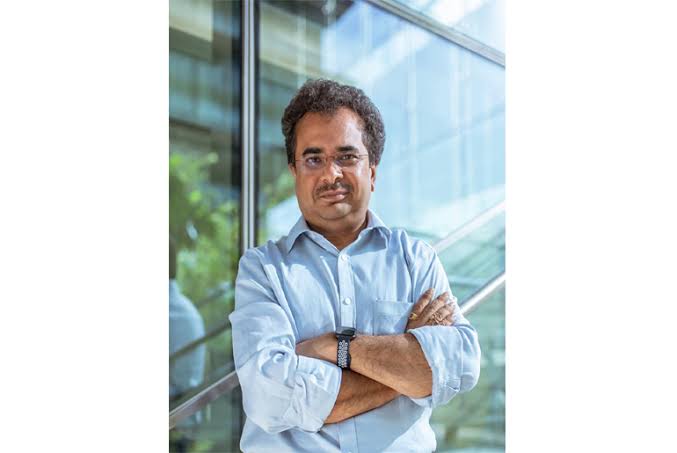
Your heritage lends you credibility. You get the future through relevance: From Anirban Banerjee to classic brands
Nostalgia is not a viable strategy for legacy brands. Anirban Banerjee, CEO of Eveready Industries India Ltd., stated during his keynote speech at Adgully's CMOs' Charcha-Kolkata Chapter 2026, which is presently taking place in Kolkata, that they must always change in order to be significant for future generations of consumers. Speaking to a group of marketers, brand executives, and business experts, Banerjee discussed Eveready's own transformation process and made the case that, although longevity is an accomplishment, a brand's relevance ultimately decides its survival."We celebrate longevity when we have a brand. However, longevity on its own is only a success if the brand continues to be relevant to every new generation and shifting market. "Your longevity is remembered and celebrated if you continue to provide what customers need at that point in time," he emphasized. Banerjee began his lecture by citing well-known businesses to illustrate his claim that a brand's past does not ensure its future. Because they reimagined themselves, many legendary brands have endured. Others vanished while leaving behind a great legacy. Survival is never assured, even for the largest brands. Because of this, the issue of relevancy keeps coming up, he explained.Banerjee cited companies like Lego, Asian Paints, and Amul as examples of how they have effectively adjusted to shifting consumer demands through innovation, diversification, and ongoing reinvention while maintaining their essential character.Speaking about Eveready, one of the most well-known and established consumer brands in India with strong ties to West Bengal, Banerjee stated that the company's goal is to appeal to younger consumers in addition to maintaining its legacy. "Maintaining the heritage is not the problem. Making the heritage relevant for young people and Gen Z consumers is a challenge. He admitted that as brands become more iconic, transition gets harder. "Change feels harder the more iconic a brand gets. It seems dangerous. However, the risk of staying the same is considerably greater.Banerjee discussed how Eveready has been updating its brand to better suit the evolving needs of its customers. A modern design inspired by an infinity loop, which represents unending energy and limitless potential, replaces the long-standing, well-known "Give Me Red" positioning in the revised identity. Banerjee claims that the transformation is about communicating the brand's heritage in a way that appeals to modern consumers rather than giving it up. "Our identity now represents empowerment and limitless possibilities instead of just energy."

From Stage to Screen and Beyond: Kubbra Saits Numerous Reimaginings
Actor and author Kubbra Sait is once again showing her ability to reinvent herself through her latest project, Humanaige. Known for taking on bold and meaningful roles, Kubbra continues to explore new ways of expressing herself. The project highlights her journey from theatre and films to fresh creative spaces, proving that she is much more than just an actress.Over the years, Kubbra has built a career by choosing characters that leave a lasting impact. From her breakthrough performance in Sacred Games to international projects and public speaking, she has never been afraid to step outside her comfort zone. Humanaige reflects this same spirit, presenting different sides of her personality while celebrating growth, confidence, and creativity. Speaking about her journey, Kubbra has often shared that she believes in constant learning and embracing change. Instead of following a fixed path, she prefers taking on projects that challenge her and help her grow. This mindset has made her one of the most versatile performers in the entertainment industry today.With Humanaige, Kubbra Sait continues to inspire audiences by showing that success comes from being open to change and trying new things. Whether on stage, on screen, or through creative collaborations, she keeps redefining herself and encouraging others to embrace their own unique journeys.
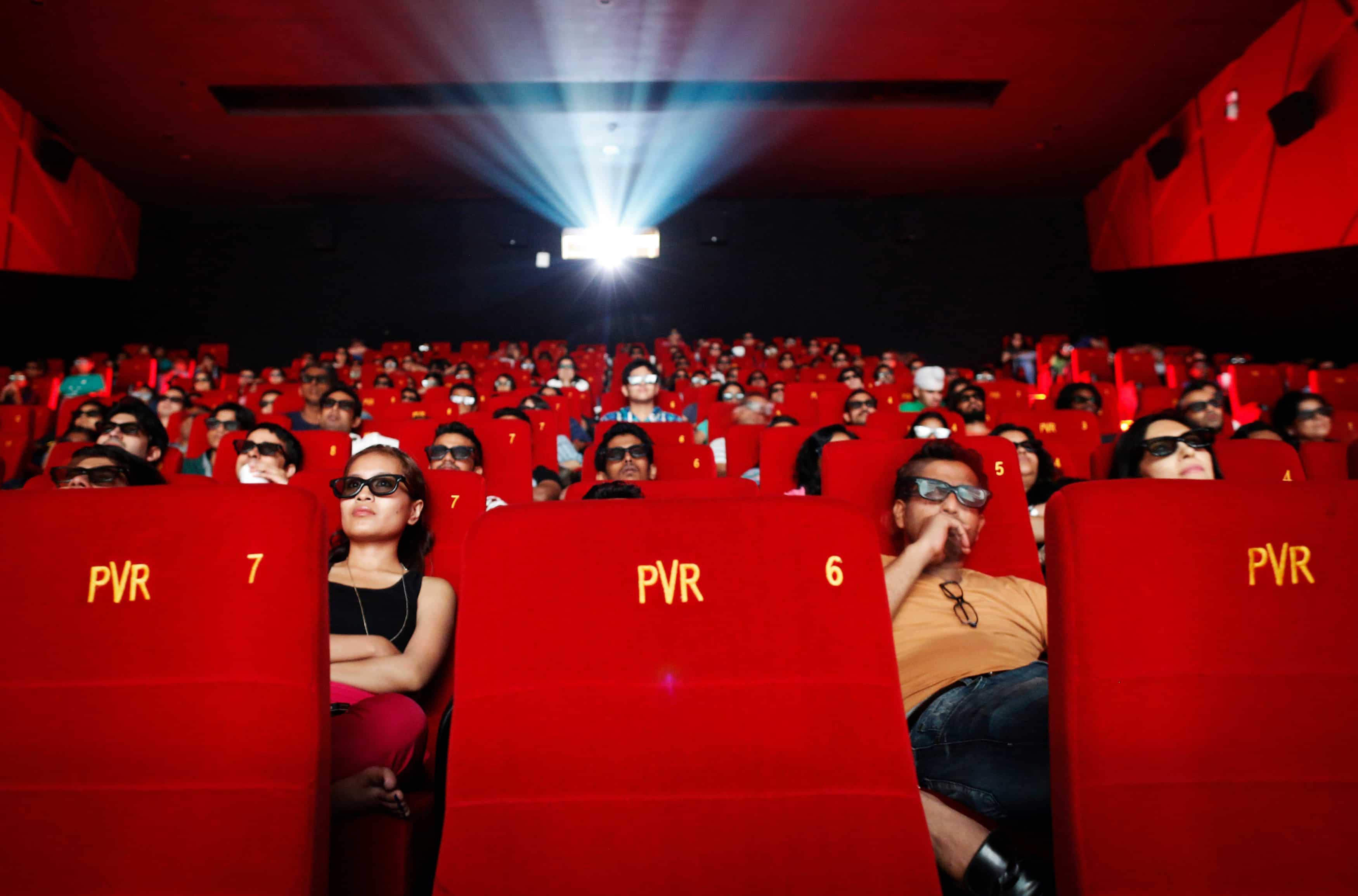
In Q1 of FY27, PVR INOX reports a profit of ₹70.5 crore.
India's largest multiplex chain, PVR INOX, has reported a strong financial turnaround in the first quarter of FY27 by posting an adjusted net profit of ₹70.5 crore, compared to a loss of ₹33.5 crore in the same quarter last year. The impressive recovery was driven by strong box office collections, higher footfalls across cinemas, and increased spending by moviegoers on food and beverages. The company's total revenue rose nearly 12% year-on-year to ₹1,642.3 crore, reflecting growing consumer interest in the theatrical movie experience despite competition from streaming platforms. The company also recorded a significant improvement in its operating performance. Adjusted EBITDA increased by around 90% year-on-year, while operating margins improved from 8.2% to 14%. This growth was supported by successful film releases across Hindi and regional languages, improved ticket sales, premium cinema formats, and better cost management. The strong financial results indicate that PVR INOX has successfully strengthened its business after the merger of PVR and INOX and is benefiting from better operational efficiency. Another major achievement for the company is that it has become net cash positive, reporting ₹80.7 crore in net cash as of June 30, 2026. This marks a remarkable improvement from the large debt position the company carried at the time of the PVR–INOX merger. A stronger balance sheet gives the company greater financial flexibility to invest in expansion, improve cinema infrastructure, and introduce more premium movie experiences for customers. Looking ahead, PVR INOX plans to continue its growth by opening 90 to 100 new screens during FY27, focusing mainly on asset-light and capital-efficient expansion. The company expects a strong lineup of upcoming Bollywood, Hollywood, and regional films to attract more audiences in the coming quarters. Industry experts believe that if content quality remains strong and consumer demand continues, PVR INOX is well-positioned to maintain its profitability and strengthen its leadership in India's multiplex cinema industry.

The future of marketing Why the next ten years will be defined by AI, CTV, and the creator economy
The future of marketing is expected to be shaped by three major forces—Artificial Intelligence (AI), Connected TV (CTV), and the Creator Economy. Industry experts believe these trends will change how brands connect with customers over the next decade. Companies are moving away from traditional advertising and investing in smarter, more personalized, and data-driven marketing strategies. AI is helping businesses create content, analyze customer behavior, automate campaigns, and improve customer service. At the same time, Connected TV (CTV) is becoming a preferred platform for digital advertising as more people watch streaming services instead of traditional television. The creator economy is also growing rapidly, with brands working closely with influencers and content creators to build trust and reach highly engaged audiences. Artificial Intelligence is becoming the backbone of modern marketing. Businesses are using AI to write ad copy, generate images and videos, recommend products, predict customer preferences, and provide instant support through chatbots. AI can also study huge amounts of customer data in real time, helping marketers make better decisions and deliver personalized experiences. Experts believe that AI will not replace marketers but will help them work faster, reduce repetitive tasks, and focus more on creativity and strategy. As AI technology continues to improve, companies that adopt it effectively are expected to gain a strong competitive advantage. Connected TV (CTV) is another major trend changing the advertising industry. More consumers are choosing streaming platforms over cable or satellite television, creating new opportunities for advertisers. Unlike traditional TV commercials, CTV advertisements can be targeted based on viewer interests, location, and viewing habits. This allows brands to reach the right audience more accurately while measuring campaign performance more effectively. Industry reports predict that digital video advertising, including CTV, will continue to grow rapidly as advertisers shift their budgets toward streaming platforms. The creator economy is also becoming one of the strongest pillars of modern marketing. Consumers increasingly trust recommendations from creators, influencers, and online communities more than traditional advertisements. Brands are partnering with creators to produce authentic content that feels natural and engaging. At the same time, AI is changing how creators work by helping them produce content more efficiently, although authenticity remains an important factor for maintaining audience trust. Experts believe the future of marketing will combine AI-powered tools, the growing popularity of Connected TV, and trusted creator partnerships to deliver more personalized, engaging, and measurable customer experiences over the next decade.
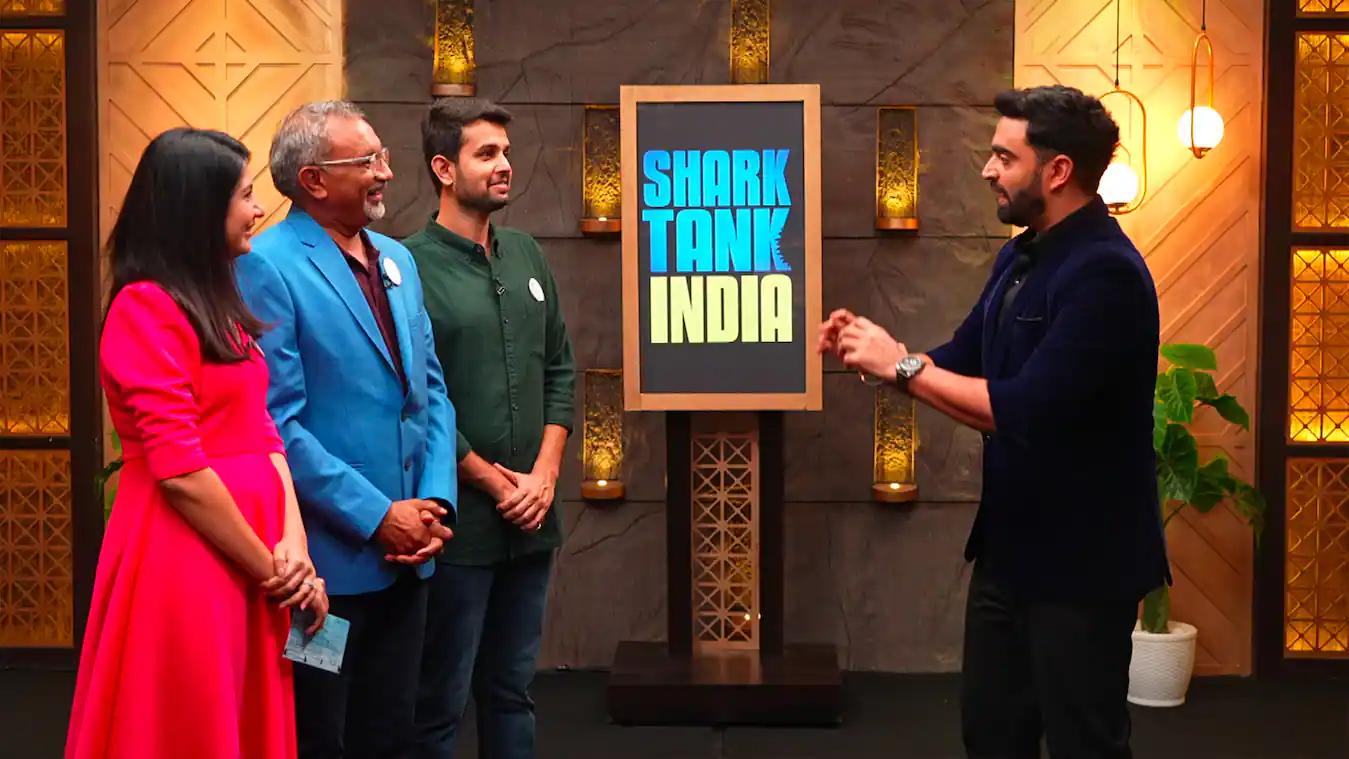
The sixth season of Shark Tank India challenges entrepreneurs to look above startup jargon.
Shark Tank India has launched a new campaign called #DontBeATota as registrations for Season 6 open. The campaign encourages aspiring entrepreneurs to focus on understanding their business instead of simply using popular startup terms and buzzwords. The campaign features a humorous parrot named Tota, who confidently uses business words like valuation, burn rate, and EBITDA without understanding what they really mean. Through this character, the campaign delivers a simple message that memorizing startup jargon does not make someone a successful entrepreneur. Building a business requires practical knowledge, problem-solving skills, and consistent hard work. Speaking about the campaign, Aman Gupta, co-founder of boAt and one of the Sharks, said that if repeating startup buzzwords alone could build a business, everyone would invest in parrots. He explained that real entrepreneurs succeed by solving customer problems, understanding their business deeply, and showing resilience during challenges. The #DontBeATota campaign aims to inspire genuine entrepreneurs to concentrate on strong business fundamentals rather than sounding impressive with technical language. At the same time, registrations for Shark Tank India Season 6 are now open on Sony LIV, inviting founders with innovative business ideas from across India to apply.
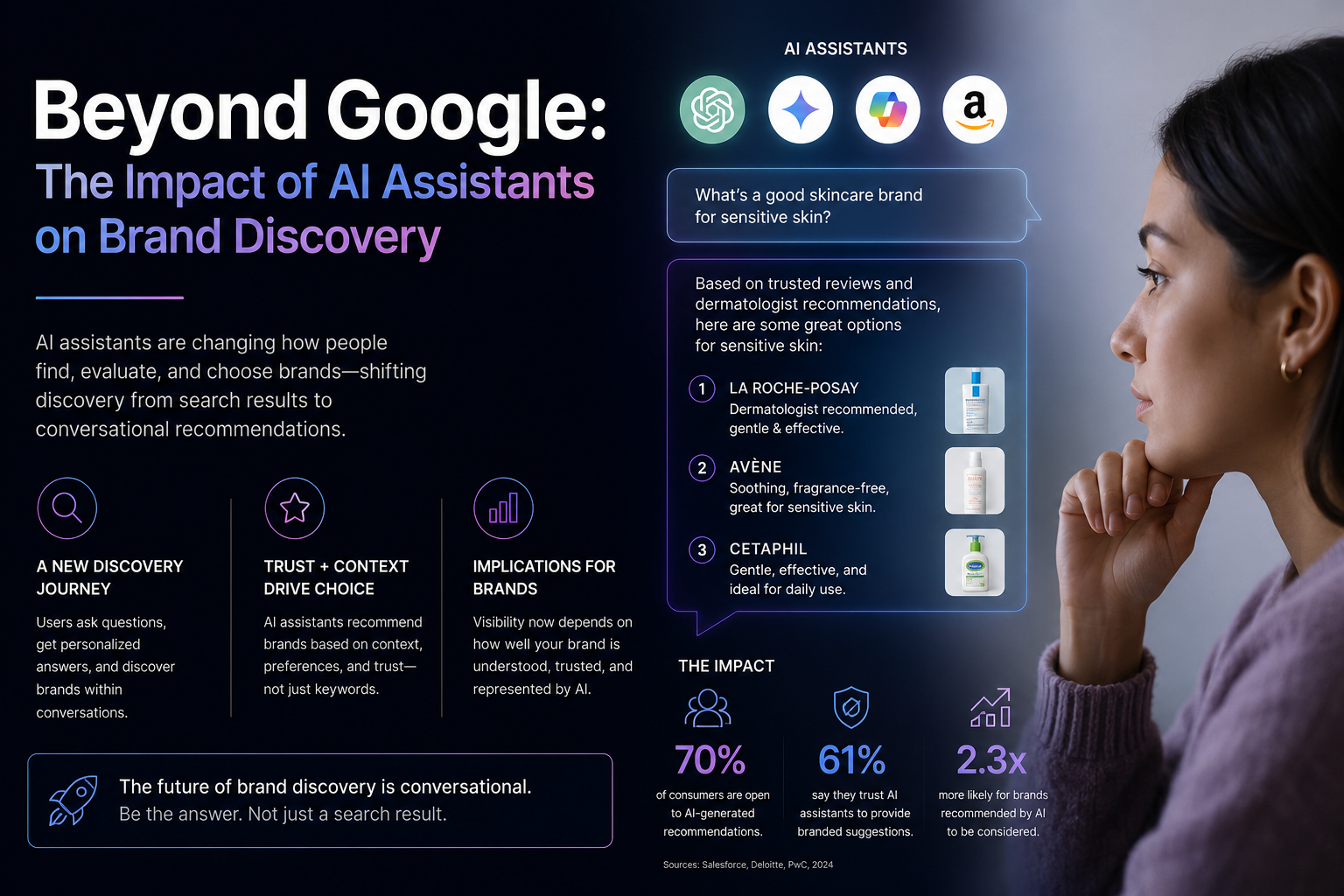
Beyond Google The Impact of AI Assistants on Brand Discovery
A major discussion in the marketing and technology industry today highlights how AI assistants such as ChatGPT, Google Gemini, Claude, and Perplexity are changing the way people discover brands online. Instead of typing keywords into Google and visiting many different websites, consumers are increasingly asking AI assistants direct questions and receiving complete answers with product recommendations. This means the traditional search journey is changing, as AI tools now act as the first point of contact between customers and brands. Experts believe this shift is forcing businesses to rethink their digital marketing strategies and create content that AI systems can easily understand, trust, and recommend.The growing influence of AI assistants is also changing how companies measure online visibility. Rather than focusing only on search engine rankings, brands are now trying to improve their presence in AI-generated responses by publishing accurate information, earning positive reviews, and building credibility across trusted websites. Marketing experts say that businesses with reliable and well-structured content are more likely to be recommended by AI assistants. As AI-powered discovery becomes more common, companies are expected to invest more in AI-ready content, digital trust, and customer experience to remain competitive in the evolving online marketplace.This strategy is supported by the most recent developments in the AI ecosystem. Google's greater integration of AI into Search, Anthropic's ongoing investment in enterprise AI, and OpenAI's development of ChatGPT into a more comprehensive work platform all point to the same future. Developing stronger AI models is no longer the race. It aims to become the interface through which individuals find, evaluate, collaborate, and make decisions. Marketing adapts to changes in the interface. Brands fought for consumers' attention for twenty years. They then engaged in traffic competition. Competition for confidence will define the next ten years. That's a different goal.A brand's homepage is no longer always the first thing people see of it. The AI-generated response that a customer sees prior to clicking a single link is becoming more and more common. Visibility is no longer sufficient on its own. Brands need to be able to be recommended. While working with businesses on AI visibility, one realization has become more apparent. Uncertainty was represented by each click. Because they still wanted more information before making a choice, people clicked. AI modifies that formula. AI is progressively assisting customers in becoming self-assured enough to stop seeking, rather than assisting them in finding information. For this reason, the next competitive advantage in marketing might be confidence rather than substance.

images of Ranjit Singh, a seasoned businessman, is named Chief Operating Officer of Smarten.
Smarten Power Systems has appointed Ranjit Singh as its new Chief Operating Officer (COO), effective 1 August 2026, as the company strengthens its leadership team to support its next phase of growth. The appointment was approved by the company's Board of Directors during its meeting held on 14 July 2026. Before this promotion, Singh served as Consultant – Vice President, Operations at Smarten, where he played a key role in improving manufacturing processes, increasing operational efficiency, and supporting several strategic initiatives. In his new position, he will oversee the company's end-to-end operations, including manufacturing, supply chain management, quality systems, and strategic execution. His leadership is expected to help Smarten expand its business in both India and international markets. Ranjit Singh brings more than 52 years of experience in manufacturing, engineering, product development, power electronics, telecom power, and renewable energy. One of his notable achievements at Smarten was leading the successful transition of the company's in-house battery manufacturing facility at Baddi, Himachal Pradesh, following its IPO. He established systems and processes that enabled stable in-house battery production and prepared the company for future manufacturing expansion. Speaking on his appointment, Singh said he is honoured to take on the new responsibility and will focus on strengthening manufacturing excellence, improving supply chain agility, enhancing quality systems, and building a culture of continuous improvement. Smarten's management believes his extensive industry experience will help the company meet the rising demand for power backup and renewable energy solutions while supporting long-term, sustainable growth.
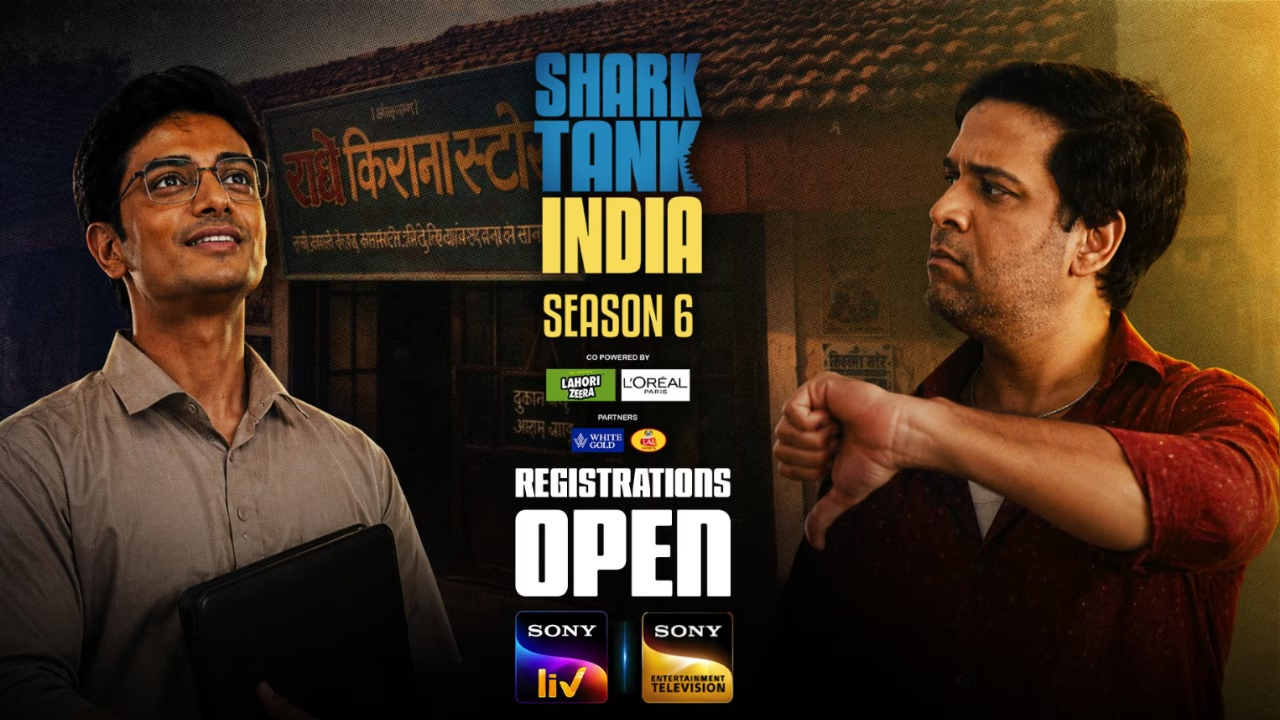
Shark Tank India 6 launches a fresh campaign to begin registration.
The makers of Shark Tank India have officially opened registrations for Season 6 with a fresh campaign encouraging aspiring entrepreneurs from across India to apply. The new campaign highlights that every great business starts with a bold idea and invites founders at every stage—from early concepts to established startups—to pitch for funding and mentorship.The registration process has been divided into two phases. The first call for registrations ran from July 1 to July 11, 2026, while the second phase opened on July 13 and will continue until July 31, 2026. Applications can be submitted through the Shark Tank microsite on the SonyLIV app after mobile number verification.As part of the campaign, Sony has also introduced a priority registration drive for women entrepreneurs, encouraging more women-led startups to participate. Promotional videos and social media posts emphasize that innovative ideas can come from anyone, regardless of business size or experience.According to the official FAQs, Indian citizens aged 18 years or above can apply. Entrepreneurs below 18 can also participate through a parent or legal guardian. The show welcomes founders from all sectors, whether they have a prototype, a growing business, or a new startup idea.Since its debut, Shark Tank India has become one of the country's biggest startup platforms, helping hundreds of entrepreneurs secure investments, mentorship, and national recognition. The new Season 6 campaign continues this mission by encouraging innovators to take their ideas to the next level and present them before some of India's leading investors.
Storytellers rely more on human imagination when AI joins the filmmaking process.
Artificial Intelligence (AI) is becoming an important part of the film industry. Today, many filmmakers use AI to help with tasks such as writing rough scripts, creating storyboards, editing videos, designing visual effects, improving sound quality, and even making digital characters. AI can complete many of these jobs much faster than humans, which helps save both time and money during film production. Big film studios and independent creators are exploring AI tools because they make the production process easier and more efficient. However, AI is still only a tool. It can analyze data and generate ideas based on existing information, but it cannot truly understand human emotions, personal experiences, or real-life relationships in the way people do.Because of this, storytellers are placing even greater importance on human imagination and creativity. Writers, directors, actors, and artists believe that the heart of every great film is its emotional connection with the audience. A powerful story comes from personal experiences, dreams, struggles, memories, and feelings that only humans can express. AI may be able to suggest scenes or dialogue, but it cannot create the same depth of emotion, originality, or cultural understanding that a human storyteller brings. As AI becomes more common in filmmaking, many creators are focusing on developing unique stories that reflect real human experiences instead of depending only on technology.Many experts believe that the future of filmmaking will be a partnership between humans and AI rather than a competition. AI can handle repetitive and technical tasks, allowing filmmakers to spend more time on creativity, storytelling, and connecting with audiences. Film schools and production companies are also encouraging creators to learn how to use AI responsibly while protecting originality and artistic expression. The growing use of AI has started important discussions about copyright, ownership of creative work, and the need to protect the jobs of writers, actors, and other artists. These conversations are helping the industry create guidelines for the responsible use of AI.
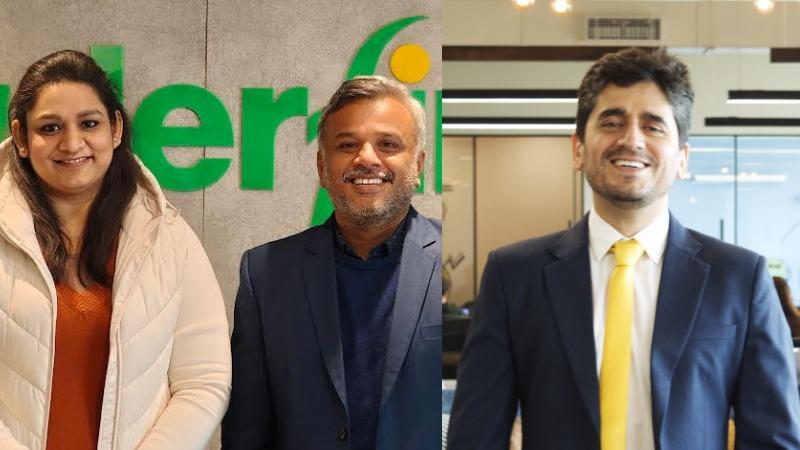
Shivaram Lakshminarayan on Ruder Finns efforts to create a PR firm that prioritizes AI
Public relations firms are rethinking how businesses develop trust, relevance, and long-term reputation as the communications landscape undergoes a dramatic transition propelled by AI, creator-led narrative, and changing audience behavior. PR now has a far wider function in this dynamic environment than just media relations; it now includes integrated storytelling, stakeholder involvement, influencer partnerships, and quantifiableArtificial intelligence is quickly changing the communications sector, evolving from a productivity tool to a strategic capability that is changing how agencies function, companies interact with consumers, and reputations are handled. Communications companies are reevaluating old agency methods in order to stay ahead of the curve as AI-generated search, intelligent content production, predictive analytics, and personalized storytelling become more commonplace. The emphasis is now on how well AI can be integrated into workflows while maintaining the human insight, creativity, and judgment that characterize great communications rather than whether or not to employ AI.Shivaram Lakshminarayan, Managing Director of Ruder Finn India, discusses with Adgully how the multinational communications company has been getting ready for this change by making early investments in AI infrastructure and personnel development. He talks about Ruder Finn's path to becoming an AI-first agency, the necessity of responsible AI deployment, the growing significance of Generative Engine Optimization (GEO), changing client expectations, and why agencies that develop organizational-wide AI fluency—rather than just technical capability—will be best positioned to lead the next era of communications.Ruder Finn has always prioritized digital technology and will continue to do so. We consider ourselves to be an AI-first organization today. Every technological revolution we've experienced—whether it be voice, mobile, or data analytics—has altered more than just how quickly tasks are completed. It completely altered the appearance of the work. This is the idea underlying Ruder Finn's worldwide AI incubator, rf.TechLab, the first of its kind in a communications firm. This is important for our Indian teams since we are not starting from scratch.
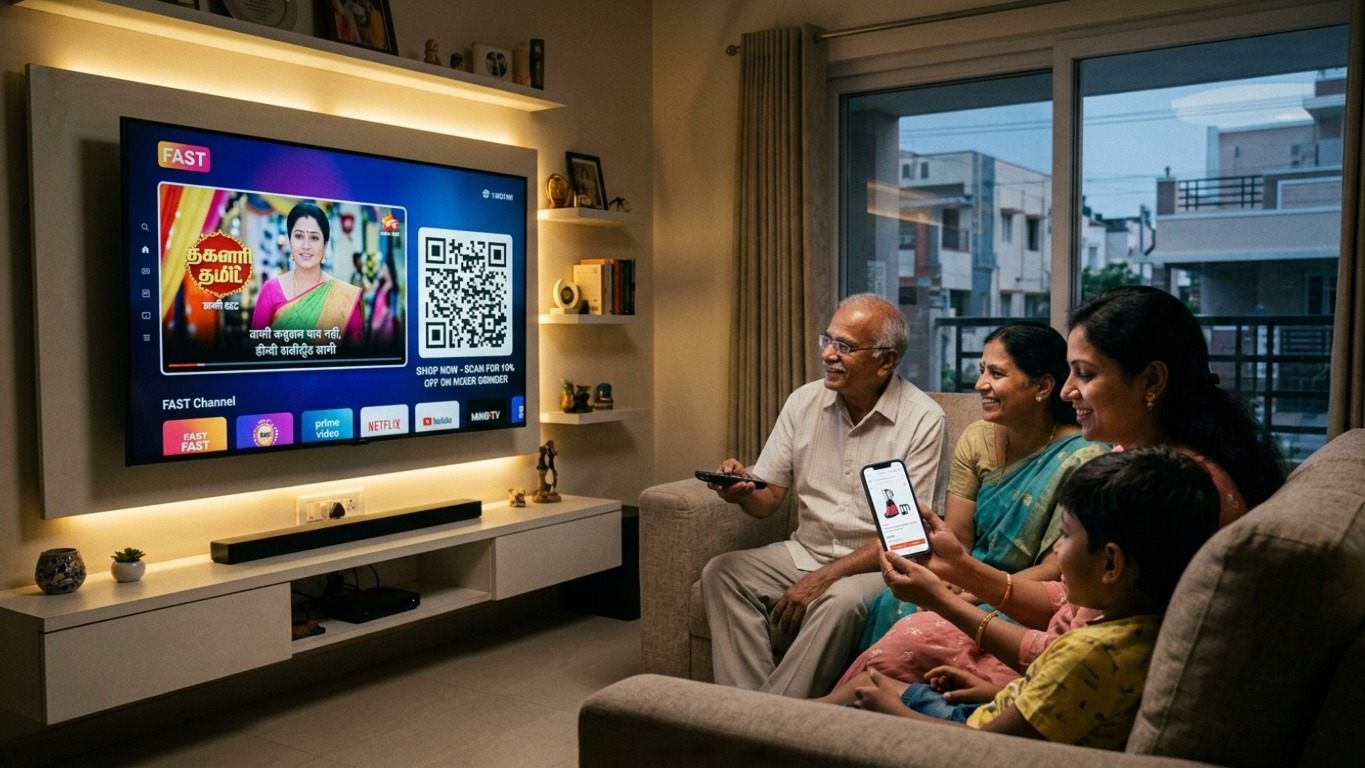
Who is actually watching? How CTV Ad Pulse is addressing the blind gap in streaming
India's fast-growing Connected TV (CTV) market is changing the way advertisers measure audiences, and a new platform called CTV Ad Pulse aims to solve one of the industry's biggest challenges—knowing who is actually watching advertisements on streaming television. Launched jointly by TAM Media Research and VTION, the platform combines traditional ad monitoring with audience measurement to provide advertisers with more accurate campaign insights.Unlike traditional television, where audience estimates are measured at the household level, or smartphones, where ads are usually linked to a single user, Connected TV often involves multiple people watching the same screen. A family may watch a cricket match or movie together, making it difficult for advertisers to determine how many viewers actually saw an advertisement. CTV Ad Pulse addresses this "co-viewing" challenge by estimating audience exposure more accurately.The platform made its debut during the 2026 Indian Premier League (IPL), one of India's largest television and streaming events. It combines TAM's expertise in tracking when and where advertisements are aired with VTION's audience measurement technology, allowing advertisers to understand not just whether an ad was delivered, but also who watched it across Connected TV devices. A key feature of CTV Ad Pulse is its ability to reduce duplicate audience counting across multiple platforms. Many viewers switch between smartphones, tablets, and smart TVs while consuming the same content. The platform helps advertisers measure unique audience reach and frequency, giving brands a clearer picture of campaign performance and improving media planning decisions. Industry experts believe that accurate audience measurement will become increasingly important as Connected TV advertising continues to grow rapidly in India. Brands are investing larger portions of their marketing budgets into streaming platforms and demand better accountability, transparency, and return on investment. Improved audience data will help advertisers optimize spending and target the right viewers more effectively. The launch of CTV Ad Pulse highlights the advertising industry's shift from simply counting ad impressions to understanding actual viewer engagement. As streaming becomes a mainstream entertainment platform in Indian households, tools that provide reliable cross-screen audience measurement are expected to play a crucial role in shaping the future of digital advertising.


