


Top Trending Technology News & Highlights


Microsoft Unveils Copilot for Finance, an AI Solution to Simplify Tasks Associated with Enterprise Finance
Microsoft on Thursday unveiled Copilot for Finance, a new artificial intelligence (AI) tool designed to make everyday mundane tasks easier for financial professionals. The Copilot tool adds new features tailored to financial operations to the already-existing Copilot for Microsoft 365 stack, rather than creating a brand-new AI model. This AI tool, which focuses on enterprises, is currently in public preview. Notably, a recent update from the tech giant revealed additional features and significant enhancements for Windows 11.Microsoft presented its new AI tool in a blog post, pitching it as a means of allowing finance departments within businesses to focus on strategic tasks rather than tedious analysis and report writing. The business also cited a statistic from CFO magazine, stating that the "drudgery of data entry and review cycles" was cited by 62% of finance professionals polled as a reason they could not find time for strategic tasks. The tech giant claims that Copilot for Finance automates a number of financial tasks that would otherwise require users to put in long hours. It can accomplish a wide range of tasks, including using natural language prompts to conduct a variance analysis in Excel, reconciling data in Excel with automated data structure comparisons, giving a comprehensive summary of pertinent customer account details, transforming raw data into visuals and reports, and much more.
Published 04 Mar 2024 05:41 PM

This AI Worm Can Steal Data And Violate ChatGPT And Geminis Security
According to a report in Wired, researchers are now creating AI worms that can steal your private information and circumvent the security measures of generative AI systems like OpenAI's ChatGPT and Google's Gemini. The first generative AI worm, known as "Morris II," was developed by researchers at Cornell University, Technion-Israel Institute of Technology, and Intuit. It has the ability to spread malware and steal data from one system to another. It was given this name in honor of the very first worm, which was released online in 1988. "It basically means that now you have the ability to conduct or to perform a new kind of cyberattack that hasn't been seen before," explained researcher Ben Nassi of Cornell Tech. According to the outlet, the AI worm can get past some security measures in ChatGPT and Gemini by targeting a generative AI email assistant with the intention of sending spam and stealing email addresses. To create the generative AI worm, the researchers employed a "adversarial self-replicating prompt". They claim that in response to this prompt, the generative AI model generates an alternative prompt. In order to put it into practice, the researchers integrated ChatGPT, Gemini, and open-source LLM into an email system that could send and receive messages using generative AI. They also found two ways to use the system: one was to embed the question within an image file, and the other was to use a text-based, self-replicating prompt. In one instance, the researchers pretended to be attackers and sent an adversarial text prompt along with an email. By using retrieval-augmented generation, this "poisons" the email assistant's database and gives LLMs access to additional data from sources outside of their own. Retrieval-augmented generation, according to Mr. Nassi, "jailbreaks the GenAI service" when it retrieves an email in response to a user query and forwards it to Gemini Pro or GPT-4 for generation of a response. Eventually, this leads to data theft from the emails."The generated response containing the sensitive user data later infects new hosts when it is used to reply to an email sent to a new client and then stored in the database of the new client," he stated.
Published 04 Mar 2024 04:27 PM

Connecting Local Environmental Factors With UFO Sightings?
UFOs, or unexplained aerial phenomena, have long been observed in the sky. Although preliminary research produced no solid proof, a recent study proposes a connection between sighting sites and their environs. After looking over two decades' worth of UAP reports, researchers discovered that locations with clear skies, low light pollution, and unhindered views had a higher frequency. There could be a number of reasons for this correlation, including better visibility that makes it possible to see more unusual objects. The study emphasizes how crucial environmental variables are to the analysis of UAP sightings.Investigating UFO sightings, researchers at the University of Utah sought to determine if there was a relationship between the location of sightings and the surrounding environment. They examined close to 100,000 National UFO Research Center reports over a 20-year period (2001-2020). For every county in the continental United States, they took into account two factors: the likelihood that something might be up there (airports, military bases) and how clear the sky is (light pollution, clouds, trees). Due to the wide open spaces and darkness in the western US, the results indicated a higher number of sightings. It's interesting to note that locations with heavy air traffic or a military presence were frequently hotspots for reports. This implies that individuals may be perceiving real objects but are merely unable to identify them. Lead author of the study and University of Utah associate professor of geography Richard Medina explained, "The idea is that if you have a chance to see something, then it's more likely that you're going to see unexplained phenomena in the sky." "With more technology than ever in the sky, one must wonder: What are people really seeing? Answering this question is difficult, but it's crucial since any ambiguity could pose a risk to national security."
Published 02 Mar 2024 06:29 PM
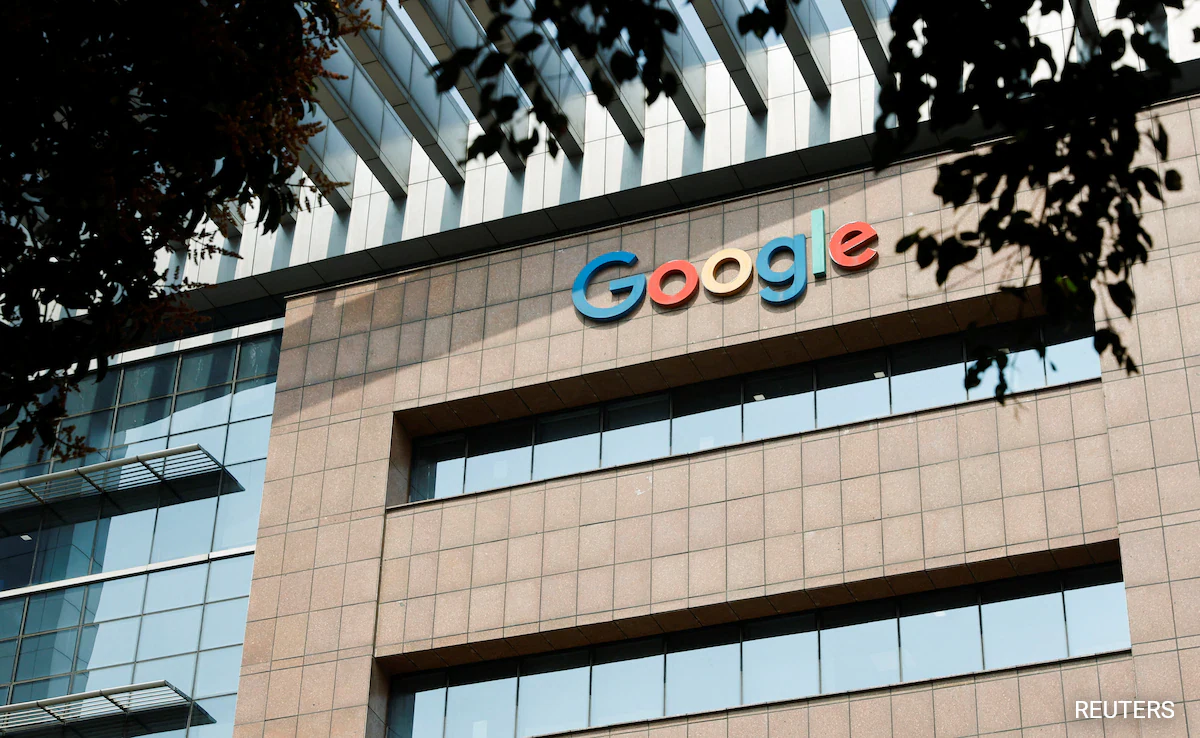
Following the intervention of the center, Google agrees to restore Indian apps.
A dispute over service fees led to the removal of Indian mobile apps from the Play Store, but Google has started the process of restoring them. According to sources, the decision was made following a meeting between IT Minister Ashwini Vaishnaw and company representatives. Ten Indian companies' apps were removed by Google on Friday, causing controversy in one of its fastest-growing markets. With 94% of phones running on its Android platform, Google commands a large portion of the Indian market. Popular names like Naukri and Bharatmatrimony were on the list.The main point of contention is Google's in-app purchase fees, which range from 11% to 26%. Indian startups have long opposed the US tech giant's actions, believing them to be unfair.The creator of Bharat Matrimony, Christian Matrimony, Muslim Matrimony, and Jodii, Matrimony.com, expressed shock at the matchmaking apps' removal from the Google Play Store. Murugavel Janakiraman, the founder, described it as a "dark day" for India's internet, highlighting the possible broad effects on matchmaking services."One by one, our apps are being removed. It literally means that all of the best matrimonial services will be eliminated," Mr. Janakiraman stated, according to Reuters. We possess an enormous and dynamic startup ecosystem. To ensure that this ecosystem is preserved, we must take all necessary measures. Google has embraced Indian technologies quite well. Before meeting with Google representatives, the minister told NDTV, "I am quite hopeful that Google will be reasonable with its approach." Due to some policy infractions, Google temporarily removed the well-known Indian payments app Paytm from the Play Store in 2020. Following the change, the founder of the business and the larger startup community banded together to take legal action against Google and launch their own app stores.
Published 02 Mar 2024 06:10 PM


Technology
21st century is dedicated to the Technology and technology is dominating everywhere and every part of the world and almost all the industries are now a days is technology dependent or they need technology help to drive more scale and deliveries.

Network18 and ZEEL reveal the new RIO; modify channel prices and remove bouquets
A new Reference Interconnect Offer (RIO), which will go into effect on February 1, 2024, has been issued by Zee Entertainment Enterprises (ZEEL) Ltd. and IndiaCast, the distribution division of Network18.IndiaCast has introduced new bouquets and discontinued some of its older ones in the new RIO. Additionally, it has changed how much some channels cost. More than 25 bouquets, including Colors Wala Hindi Budget and Colors Wala Hindi Budget Plus, have been canceled by the distributor.(whose cost was Rs 25) and Colors Wala Hindi Value (whose cost was Rs 28). Colors Wala Hindi Value (Rs 34), Colors Wala Hindi Value Plus Sports (Rs 45), and Colors Wala Marathi Value (Rs 40) are among the new products that the distribution arm is selling.Some channels on Network18 have seen price increases, such as Colors Marathi, which was formerly only Rs 10 and is now Rs 15. In a similar vein, Colors Cineplex, which was formerly priced at Rs 3, is now Rs 19.

Ranbir and Konkana return in the most recent OPPO advertisement as
In order to promote the Oppo Reno smartphone series, smartphone manufacturer OPPO just revealed their newest ad. It stars Ranbir Kapoor and Konkana Sen Sharma as two of their most beloved characters, Sid and Aisha, from the movie "Wake Up Sid."The characters' afterlife is captured in the video commercial campaign. Ranbir, who portrayed the aspiring photographer Sid, is shown using the just released OPPO phone to record a significant occasion."Simply capturing life with a special friend, just like Sid!" is the film's tagline and main idea.Famous Innovations is the person who conceptualized the movie. "Reno 11 Series is positioned as a Portrait Expert with this campaign; the phone boasts a superior camera, and who better to bring that alive than everyone's favorite photographer character, Sid from Wake Up Sid?" an agency spokesman remarked in reference to the same. We made an effort to depict the characters' life changes and provide a window into a unique time spent with Ayesha, Laxmi, and Rishi. People would feel nostalgic after watching this movie and be curious to learn more."

Why 2024 will be a year of entertainment media mergers
An existential crisis is plaguing India's entertainment industry as a result of changes in customer behavior. Globally, traditional media companies are likewise having difficulty and are looking to consolidate in order to maintain their heritage operations and reduce losses from their digital endeavors. The OTT market is having difficulties as audience growth slows and content costs rise. Indian broadcasting companies are experimenting with hybrid OTT revenue models, but they are up against e-commerce sites and software titans for digital ad dollars. The industry is at a loss as to how to proceed, whether it be through mergers or modifications to business structures.Will the business of linear television face an acceleration of collapse by 2024? Will broadcasting businesses be merging this year? Will internet behemoths in the technology sector steal viewers and money from over-the-top (OTT) video streaming services, or will they be able to survive? India's sizable entertainment corporations are facing challenges from digitally-powered businesses and changing consumer behavior, leading them to ask some unsettling questions.

CCDT and MnM Talkies Work Together for Human Rights #KripyaDhyanDein
Leading content provider MnM Talkies, which specializes in audio stories and podcasts, has partnered with Committed regions Development Trust (CCDT), a nonprofit committed to helping impoverished children in underserved regions. Together, they hope to produce an engaging audio project that uses sound's immersive quality to highlight human rights abuses, especially those that impact women and children. By collaborating with CCDT, an organization dedicated to advancing fairness and defending the rights of underprivileged children and families, MnM Talkies raises awareness of the voices of people whose tales are frequently ignored. nearly the course of the last 30 years, CCDT's commitment to the Sustainable Development Goals established by the United Nations has had a significant influence on the lives of nearly 2 million children and families in distress throughout Maharashtra by propelling rights- and needs-based initiatives.Under the moniker "Kripya Dhyaan Dein" (Please Pay Attention), the cooperation has produced a number of audio wonders that aim to awaken the public and inspire them to pay attentive attention to the stories of persons around them. MnM Talkies and CCDT have skillfully communicated the urgency of human rights awareness, demonstrating sympathy with those impacted by abuses through fictional storylines grounded in real-life experiences. These powerful tales, which can be found on social media and different audio platforms, operate as a call to action for people to change the world and speak up in favor of human rights. This endeavor serves as a light of hope in the face of global human rights crises, inspiring listeners to deeply engage with these issues. The world needs transformative actions. In the spirit

MC Stan and MS Dhoni collaborate on Fire-Boltt
Leading Indian smart wearable manufacturer Fire-Boltt releases the #GaleTohMil advertisement, which stars the most unexpected pair—cricket great MS Dhoni and well-known Indian rapper MC Stan. This engaging movie seeks to showcase the exceptional qualities of Fire-Boltt's most recent invention, the ground-breaking Wristphone, which flawlessly blends the endless possibilities of a smartphone with the practicality of a smartwatch. With #GaleTohMil, Fire-Boltt showcases how technology is seamlessly incorporated into daily life while offering a new take on the marriage of sports and music.The video, which was conceptualized and filmed by the innovative powerhouse Moonshot, enthralls viewers with its distinctive fusion of humor, technology, and star power. The narrative takes place at a party, where MS Dhoni is approached by MC Stan and has an embarrassing encounter. As Dhoni struggles to remember Stan's name and songs, tension grows and the scenario takes an unexpected turn. The situation is amusing yet relatable.The story revolves around the Fire-Boltt Wristphone, which plays a pivotal role in saving Dhoni's life by giving him the knowledge he finds difficult to recall. The movie does a good job of conveying how useful the wristwatch is and why it is deserving of the hashtag #TheSmartestSmartwatch. "We are proud to introduce our first-ever Wristphone through this entertaining and engaging ad film featuring two iconic personalities, MS Dhoni and MC Stan," stated Arnav Kishore, CEO and Founder of Fire-Boltt. This wearable technology product is revolutionary, and we think the movie will do a great job of conveying to our viewers what makes it special. To guarantee broad visibility, the advertisement film will be heavily promoted on OTT channels and social media sites. Fire-Boltt wants to engage audiences from a varie

Here I am climbing: The films produced by Pramerica Life Insurance honor resiliency in many facets of life.
The debut of Pramerica Life Insurance's "This is My Climb" marketing campaign has been revealed. This campaign, which consists of two short videos, seeks to honor the many narratives of perseverance, goals, and purpose that characterize each of our unique experiences. Beyond the conventional marketing strategy, the campaign taps into the emotional center of the human experience, connecting with people at all stages of life. "Like any ascent, life's journey demands unwavering determination and unique challenges," stated Pankaj Gupta, MD, CEO of Pramerica Life Insurance. "We highlight the various aspects of purpose, commitment, and responsibility that each person exemplifies through the 'This is My Climb' campaign. Our goal is to become our clients' dependable bedrock—a partner as strong as a rock. We are dedicated to providing all of our stakeholders with a solid partner for every climb, no matter how big or small."Two powerful short films are used to tell the story of the campaign. The first movie depicts a father's journey and goals in a way that is relevant. We witness his dedication, as he lays aside his own goals and aspirations to support his child's aspirations. Regardless of the size of the obstacle, he views it as a climb he must do with perseverance and selfless sacrifice in order to reach his child's future. He reflects the essence of every parent who puts their child's aspirations ahead of their own, finding strength in their adversities and delight in their successes. The family of a defense member is shown in the second film as they follow him on an emotional journey of unwavering support and pride as he achieves new heights in dedication and commitment. Seeing this movie makes me think about Pramerica Life Insurance.President and Chief Business Officer of Pramerica Life Insurance Karthik Chakrapani stated, "The beauty of 'This is My Climb' lies in its breadth of perspectives." Each story has a distinct resonance, ranging from the ethos of a defense man and his family for the nation's sovereignty to the resolve of a father for his child's future. We encourage readers to interact with these motivational stories, look for themes in their own ascents, and join us in honoring the human spirit. Under the direction of Paritosh Srivastava, Chief Executive Officer, Oindrila Roy, Managing Director, and Heads of Creative Srijan Shukla and Pratheeb Ravi, who are renowned for telling gripping stories, Publicis Worldwide India has artistically produced this campaign. Their combined knowledge and commitment have been essential in obtaining
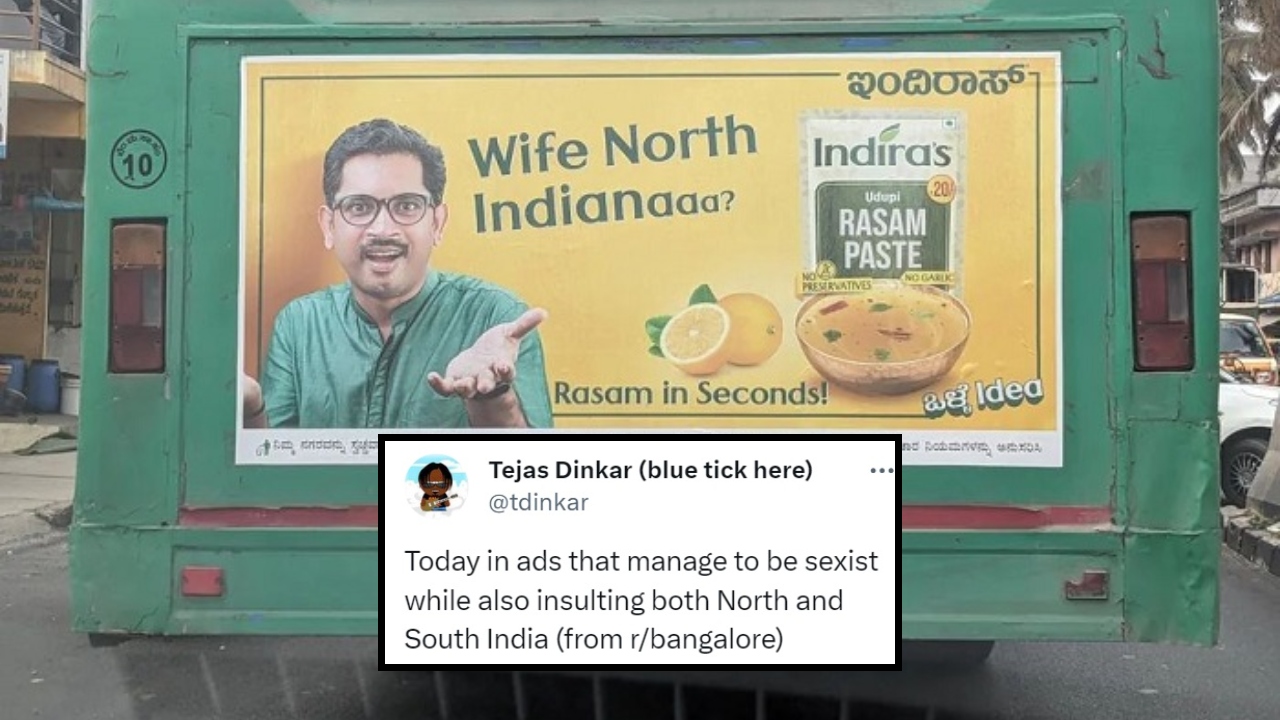
A viral tweet claims that the rasam bus ad in Bengaluru is insulting both north and south India Internet split
An online discussion has been triggered by an outside advertisement for Indira's Rasam Paste on a Bengaluru bus. Some online users have criticized the advertisement for being "sexist" and "regionalist." Some countered that the advertisement was not controversial in any way. The advertisement's wording said, "Wife North India aa?" (Is your wife North Indian?) implies that northern women are incapable of preparing rasam.Tejas Dinkar, an X user, initially brought the advertisement to the attention of the internet by accusing the company of being chauvinistic. "Today in ads that manage to be sexist while also insulting both North and South India (from r/bangalore)," he said. A heated discussion about whether the advertisement is offensive or not broke out in the comment area. X user Tejas Dinkar shared a picture of the advertisement, which attracted public notice. He expressed his disapproval in the caption, calling the advertisement "sexist" and "insulting" to people in both North and South India.
Raaya's integrated marketing mandate is won by With & Chai Group.
Men's ethnic clothing company Raaya has awarded the marketing mandate to Pune-based advertising firm Wit & Chai Group. Following a multi-agency pitch, the mandate was acquired by Wit & Chai in October 2023.With online and offline promotions, Wit & Chai Group hopes to raise awareness of Raaya and bolster its standing as a high-end menswear brand. "Wit & Chai gave a strong pitch, and we think working with them will help our brand reach new audiences. Our goal is to set Raaya apart as a luxury brand that is reasonably priced and to highlight our exceptional craftsmanship. Preshit Jain remarked, "We are confident that Wit & Chai has our best interests at heart.Furthermore, Wit & Chai Group partner Nahush Gulawani added, "We are thrilled to collaborate with a brand like Raaya that has such an intriguing focus: men's ethnic apparel. We are eager to collaborate with the Raaya team and use our skills to further improve the brand image. Men's ethnic clothing company Raaya has awarded the marketing mandate to Pune-based advertising firm Wit & Chai Group. Following a multi-agency pitch, the mandate was acquired by Wit & Chai in October 2023.With online and offline promotions, Wit & Chai Group hopes to raise awareness of Raaya and bolster its standing as a high-end menswear brand. "Wit & Chai gave a strong pitch, and we think working with them will help our brand reach new audiences. Our goal is to set Raaya apart as a luxury brand that is reasonably priced and to highlight our exceptional craftsmanship. Preshit Jain remarked, "We are confident that Wit & Chai has our best interests at heart.Furthermore, Wit & Chai Group partner Nahush Gulawani added, "We are thrilled to collaborate with a brand like Raaya that has such an intriguing focus: men's ethnic apparel. We are eager to collaborate with the Raaya team and use our skills to further improve the brand image.

A diagnostics business is getting ready to launch a blood testing product in Austin and San Antonio.
Babson Diagnostics has successfully obtained important FDA clearance for its blood testing products following years of cooperation and trials. Listen to the most recent episode of Texas Business Minds to hear about the startup's history, its funding efforts, and the Texas towns it plans to debut in this year, including San Antonio.A diagnostic firm is getting ready to launch a blood testing product in Austin and San Antonio. Babson Diagnostics has successfully obtained important FDA clearance for its blood testing products following years of cooperation and trials. The creator of Babson Diagnostics is getting ready to introduce a cutting-edge blood test device. The founder, COO, and chairman of Austin-based Babson Diagnostics, a blood testing firm, is Eric Olson. He was recently a guest on the Texas Business Minds podcast.



Review of the Asus ROG Zephyrus G14 (2026) A blend of daily productivity and gaming power
ASUS has introduced the new ROG Zephyrus G14 (2026), and it is proving that a gaming laptop can be much more than a machine built only for playing games. In a recent review, the laptop received praise for offering a great balance between powerful gaming performance and everyday productivity. It comes with a premium OLED display, high-end hardware, and a slim, lightweight design that makes it easy to carry. Unlike many gaming laptops that are bulky and heavy, the Zephyrus G14 feels comfortable for students, professionals, content creators, and gamers alike. Whether someone is writing documents, editing photos and videos, attending online meetings, or enjoying the latest games after work, the laptop handles every task smoothly. Although its premium features come with a high price tag, reviewers believe it delivers excellent value for users who want one device for both work and entertainment. Another highlight of the Zephyrus G14 (2026) is its premium build quality and thoughtful design. ASUS has focused on creating a laptop that looks stylish without losing its gaming identity. The bright OLED display offers vibrant colors, deep blacks, and sharp details, making it ideal for creative professionals who work with photos and videos. The powerful processor and graphics card ensure fast performance even when running demanding software or modern games. At the same time, the laptop remains compact enough to fit easily into a backpack, making it a practical choice for people who travel frequently or work from different locations. The review also mentions that the G14 no longer feels like a laptop made only for gamers—it has evolved into a premium all-round machine that can confidently replace a traditional work laptop while still delivering top-level gaming performance whenever needed.
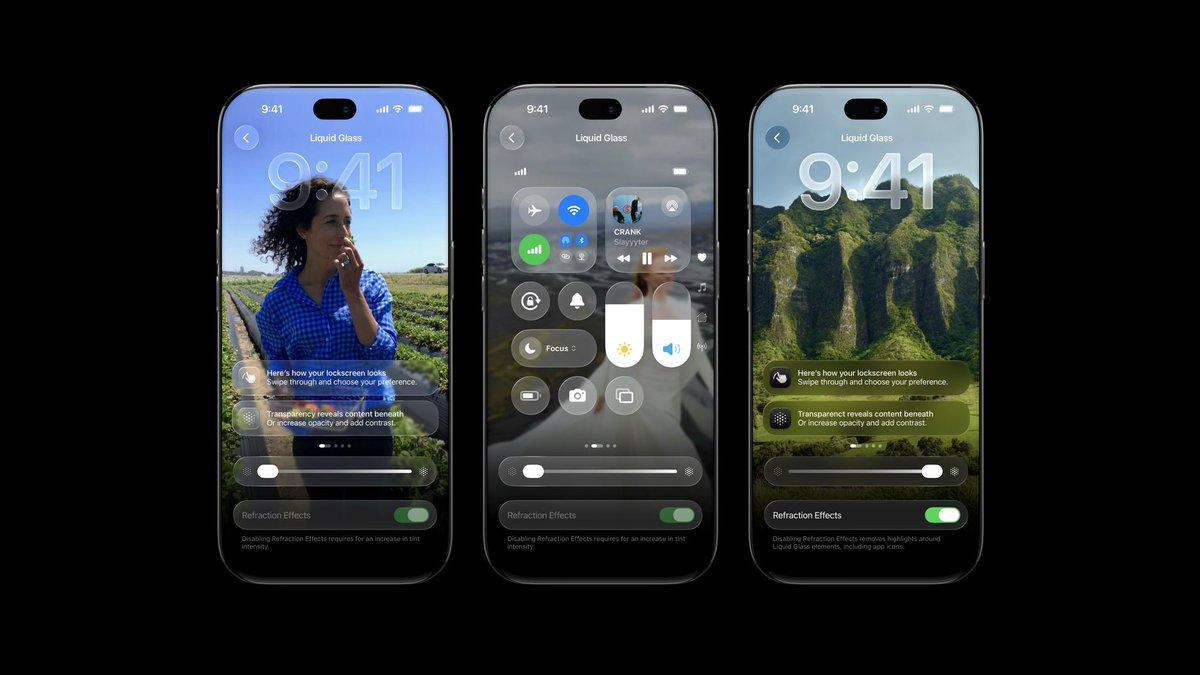
iOS 27 will bring five new features to your iPhone, including Apple Music.
Apple is preparing several useful updates for Apple Music in iOS 27, making the app more modern, easier to use, and more social. The new version introduces five major features that improve the listening experience on iPhones. These updates are currently available in the iOS 27 beta and are expected to roll out to users with the official release later this year. One of the biggest additions is Landscape Mode for Apple Music. When users rotate their iPhone sideways, the app switches to a new layout that displays albums, playlists, and songs in a wider and more organized view. This makes it easier to browse music, especially on larger iPhone screens. Apple has also improved the overall design of the app, giving it a cleaner and smoother appearance that matches the new look of iOS 27. Another important feature is an improved AutoMix experience. AutoMix now creates smoother transitions between songs, making playlists feel more like a live DJ performance. Apple has also redesigned artist pages, making it easier for users to explore albums, popular songs, music videos, and other content from their favorite artists in one place. These updates aim to make discovering and enjoying music more enjoyable. Apple Music is also becoming more social with the introduction of a new Friends Playlist. This feature automatically gathers songs that friends are listening to, helping users discover new music through people they know. In addition, Apple is adding extra-large Home Screen widgets, allowing users to quickly access favorite playlists, albums, or recently played music directly from the iPhone's Home Screen without opening the app. Overall, these five new features—Landscape Mode, improved AutoMix, redesigned artist pages, Friends Playlist, and larger Home Screen widgets—show Apple's focus on making Apple Music more interactive, personalized, and user-friendly. While these are not major changes to the music service itself, they provide a better daily experience for iPhone users who enjoy streaming music and discovering new artists.
Days after Kimi K3, Alibaba releases Qwen 3.8 Max as Chinas AI race intensifies.
Chinese technology giant Alibaba has introduced Qwen 3.8 Max (Preview), its latest flagship artificial intelligence (AI) model. The launch comes just a few days after Chinese AI startup Moonshot AI released its Kimi K3 model, highlighting the rapidly growing competition among China's AI companies. Qwen 3.8 Max is a multimodal AI model, meaning it can understand and process text, images, videos, and documents together. Alibaba says the model uses a Mixture of Experts (MoE) architecture with around 2.4 trillion parameters, making it one of the company's most advanced AI systems to date. The preview version is currently available for testing, with broader developer access expected later. The announcement follows the release of Kimi K3, which has approximately 2.8 trillion parameters and is currently one of the world's largest open-source AI models. The close timing of both launches shows how Chinese AI companies are racing to develop more capable models that can compete with leading systems from global firms such as OpenAI and Anthropic. Industry analysts believe the competition in China's AI sector is becoming more intense, with companies investing heavily in large language models and open-source AI technologies. The rapid pace of innovation is expected to strengthen China's position in the global AI market while increasing competition with major international AI developers.

Why a political dispute has been sparked by Punjabs reversal on a new rural jobs initiative
Chinese technology giant Alibaba has introduced Qwen 3.8 Max (Preview), its latest flagship artificial intelligence (AI) model. The launch comes just a few days after Chinese AI startup Moonshot AI released its Kimi K3 model, highlighting the rapidly growing competition among China's AI companies. Qwen 3.8 Max is a multimodal AI model, meaning it can understand and process text, images, videos, and documents together. Alibaba says the model uses a Mixture of Experts (MoE) architecture with around 2.4 trillion parameters, making it one of the company's most advanced AI systems to date. The preview version is currently available for testing, with broader developer access expected later. The announcement follows the release of Kimi K3, which has approximately 2.8 trillion parameters and is currently one of the world's largest open-source AI models. The close timing of both launches shows how Chinese AI companies are racing to develop more capable models that can compete with leading systems from global firms such as OpenAI and Anthropic. Industry analysts believe the competition in China's AI sector is becoming more intense, with companies investing heavily in large language models and open-source AI technologies. The rapid pace of innovation is expected to strengthen China's position in the global AI market while increasing competition with major international AI developers.

Why a political dispute has been sparked by Punjabs reversal on a new rural jobs initiative
Chinese technology giant Alibaba has introduced Qwen 3.8 Max (Preview), its latest flagship artificial intelligence (AI) model. The launch comes just a few days after Chinese AI startup Moonshot AI released its Kimi K3 model, highlighting the rapidly growing competition among China's AI companies. Qwen 3.8 Max is a multimodal AI model, meaning it can understand and process text, images, videos, and documents together. Alibaba says the model uses a Mixture of Experts (MoE) architecture with around 2.4 trillion parameters, making it one of the company's most advanced AI systems to date. The preview version is currently available for testing, with broader developer access expected later. The announcement follows the release of Kimi K3, which has approximately 2.8 trillion parameters and is currently one of the world's largest open-source AI models. The close timing of both launches shows how Chinese AI companies are racing to develop more capable models that can compete with leading systems from global firms such as OpenAI and Anthropic. Industry analysts believe the competition in China's AI sector is becoming more intense, with companies investing heavily in large language models and open-source AI technologies. The rapid pace of innovation is expected to strengthen China's position in the global AI market while increasing competition with major international AI developers.

The largest open weight AI model in the world, Kimi K3, is introduced by Moonshot AI Things to be aware about
Chinese artificial intelligence startup Moonshot AI has introduced Kimi K3, describing it as the world's largest open-weight AI model. The launch has attracted global attention because Kimi K3 contains 2.8 trillion parameters, making it one of the biggest AI models ever released with openly available model weights. Unlike closed AI systems, open-weight models allow developers and researchers to download, study, customize, and build their own applications on top of the technology. According to Moonshot AI, Kimi K3 is designed to handle advanced reasoning, software coding, long conversations, research tasks, and complex problem-solving. The company says the model performs at a level close to some of the world's strongest commercial AI systems while remaining more accessible to developers. One of Kimi K3's biggest highlights is its 1 million-token context window, allowing it to process extremely long documents, books, technical reports, or multiple files in a single conversation. This makes it useful for businesses, researchers, software developers, and students who need AI to understand large amounts of information without losing context. Moonshot AI also claims that Kimi K3 delivers strong performance in coding, agent-based workflows, and knowledge-intensive tasks while using computing resources more efficiently than many competing frontier models. Early benchmark results released by the company suggest that Kimi K3 performs competitively against several leading AI models developed in the United States, although independent testing will be needed to fully verify these claims. The launch is being viewed as another major milestone in the rapidly growing AI competition between China and the United States. Over the past year, Chinese AI companies have accelerated the development of powerful large language models, with firms such as Moonshot AI, DeepSeek, Alibaba, and others introducing increasingly capable systems. Industry analysts believe Kimi K3 demonstrates how quickly Chinese AI developers are closing the technology gap with leading American companies. The model's open-weight approach may also encourage wider adoption because developers can adapt it for commercial products, research projects, and enterprise applications without depending entirely on proprietary cloud services.
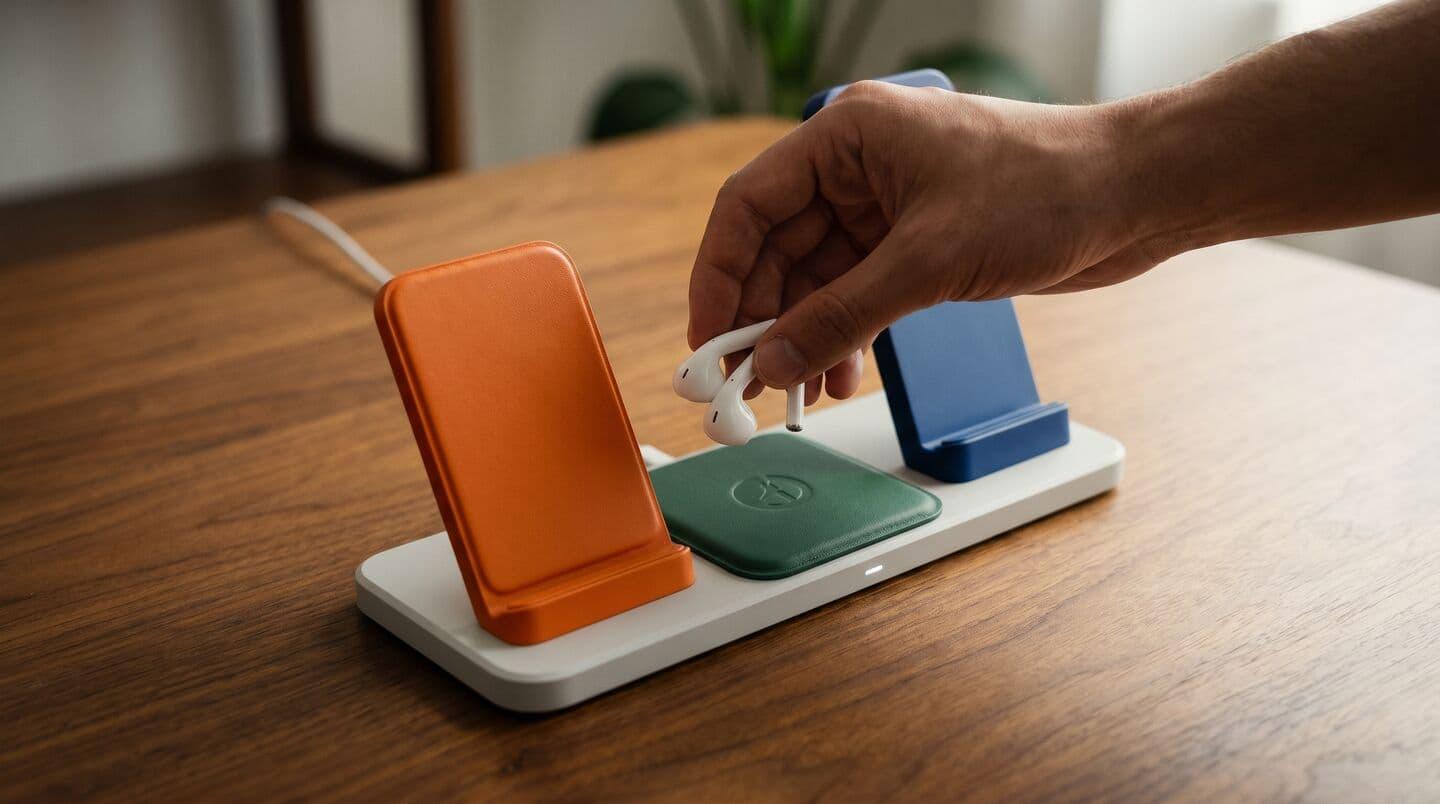
Review of DailyObjects Node: An Ecosystem of Modular Wireless Charging for Apples Largest Fans
A review published today highlights the new DailyObjects Node, a modular wireless charging ecosystem designed primarily for users invested in Apple's ecosystem, including the iPhone, Apple Watch, and AirPods. Unlike conventional 3-in-1 wireless chargers, Node allows users to customize their charging setup by attaching interchangeable charging modules to a shared base dock. This modular design means users can swap or add charging stands, wireless charging pads, Apple Watch chargers, or even a portable lamp module based on their needs, making the system more flexible than fixed charging stations. The review praises the premium build quality, magnetic attachment system, and clean, minimalist design. The base dock is available in two-node and three-node versions, while each charging module is sold separately. According to the reviewer, the modular approach makes it easy for users to upgrade or reconfigure their charging station without replacing the entire setup whenever their device collection changes. This makes the Node ecosystem especially appealing for Apple users who regularly use multiple gadgets. However, the review also points out that building a complete charging setup can become expensive because the charging modules are purchased individually. While the flexibility is a major advantage, users looking for a budget-friendly all-in-one charger may find the overall cost higher than traditional alternatives. Despite this, the reviewer gives the product a strong 4.5 out of 5 rating, stating that its innovative modular concept, premium finish, and expandability make it one of the most unique wireless charging solutions currently available for Apple enthusiasts.
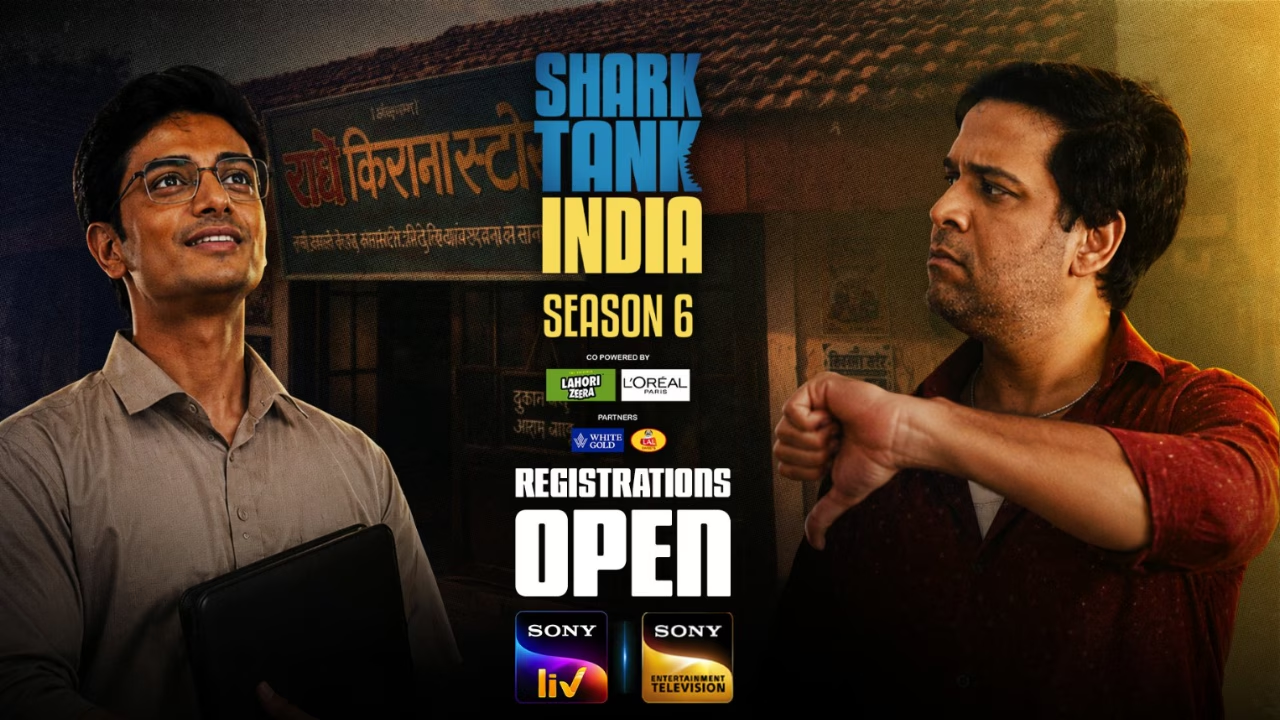
Shark Tank India 6 launches a fresh campaign to begin registration.
The makers of Shark Tank India have officially opened registrations for Season 6 with a fresh campaign encouraging aspiring entrepreneurs from across India to apply. The new campaign highlights that every great business starts with a bold idea and invites founders at every stage—from early concepts to established startups—to pitch for funding and mentorship.The registration process has been divided into two phases. The first call for registrations ran from July 1 to July 11, 2026, while the second phase opened on July 13 and will continue until July 31, 2026. Applications can be submitted through the Shark Tank microsite on the SonyLIV app after mobile number verification.As part of the campaign, Sony has also introduced a priority registration drive for women entrepreneurs, encouraging more women-led startups to participate. Promotional videos and social media posts emphasize that innovative ideas can come from anyone, regardless of business size or experience.According to the official FAQs, Indian citizens aged 18 years or above can apply. Entrepreneurs below 18 can also participate through a parent or legal guardian. The show welcomes founders from all sectors, whether they have a prototype, a growing business, or a new startup idea.Since its debut, Shark Tank India has become one of the country's biggest startup platforms, helping hundreds of entrepreneurs secure investments, mentorship, and national recognition. The new Season 6 campaign continues this mission by encouraging innovators to take their ideas to the next level and present them before some of India's leading investors.
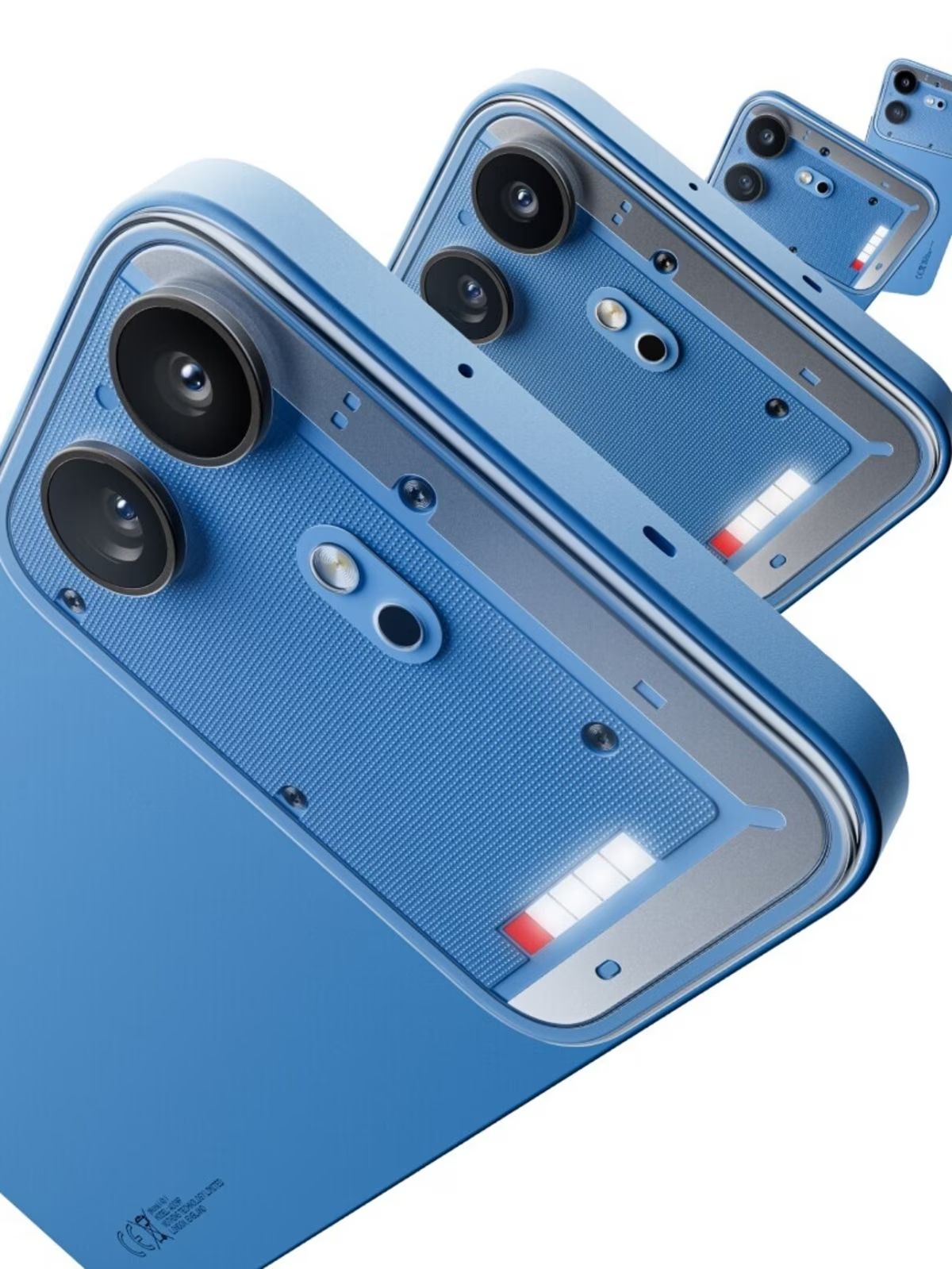
Nothing Phone 4b hands on Designed for everyday consumers rather than nerds
Nothing has officially introduced the Nothing Phone (4b), a new smartphone aimed at mainstream users rather than technology enthusiasts. While the company's earlier devices gained popularity for their unique design and experimental features, the Phone (4b) focuses on delivering a balanced experience for people who want a stylish, reliable, and easy-to-use smartphone. According to early hands-on impressions, Nothing has shifted its strategy to appeal to a wider audience without abandoning its signature transparent design.The Phone (4b) retains many of Nothing's recognizable design elements, including the transparent back panel and the Glyph lighting interface, although it uses a plastic body to keep costs under control. The display offers a smooth 120Hz refresh rate on an OLED panel, making scrolling, gaming, and video playback more enjoyable. The design feels modern and premium despite its affordable price segment. Performance is aimed at everyday users rather than hardcore gamers. Powered by the Snapdragon 6 Gen 4 processor with 8GB RAM, the Phone (4b) is designed to handle social media, web browsing, video streaming, multitasking, and casual gaming comfortably. Reviewers noted that the phone feels responsive in daily use, making it suitable for students, professionals, and first-time Nothing buyers.Battery life is one of the biggest highlights of the new device. The Indian version comes with a massive 6,000mAh battery, offering enough power to last an entire day or even longer for moderate users. Combined with software optimizations in Nothing OS based on Android 16, the phone is expected to deliver excellent endurance while maintaining a clean and smooth user experience.Photography has also received attention with a 50MP primary rear camera supported by AI features for improved image processing. While it may not compete with flagship camera phones, early impressions suggest that it captures detailed daylight photos and produces good results for social media sharing. The camera system is designed to offer dependable performance instead of professional-grade photography.

AI-powered techniques can trace missing persons faster, with better accuracy, claim experts
AI-powered technologies are increasingly being seen as a valuable aid in locating missing persons, with experts saying they can help investigators act faster and improve search accuracy. The discussion has gained momentum after cyber forensics specialists highlighted how artificial intelligence can process massive amounts of information in a fraction of the time required by manual investigations.One of AI's biggest strengths is its ability to analyze thousands of hours of CCTV footage, compare facial features across multiple camera feeds, and identify potential matches in real time. Instead of officers manually reviewing videos frame by frame, AI systems can quickly flag relevant clips, allowing investigators to focus on promising leads. Experts stress that these systems are designed to assist human investigators rather than replace them.AI can also combine information from multiple sources, including missing person reports, location data, transport records, and publicly available digital footprints. By identifying patterns in this data, the technology can suggest likely search locations and help authorities prioritize areas where a missing person is most likely to be found. This can significantly reduce the time taken to launch targeted search operations. Researchers and technology developers say predictive analytics is another promising application. AI models can consider factors such as weather conditions, terrain, travel routes, and the missing person's age, health, or behaviour to estimate probable movements. These insights can improve coordination between search-and-rescue teams and law enforcement agencies while making better use of available resources.Despite its advantages, experts caution that AI must be deployed responsibly. Facial recognition and data analysis tools raise important concerns about privacy, accuracy, and potential bias. Human oversight, transparent governance, and compliance with legal frameworks remain essential to ensure that technology supports investigations without compromising individual rights.As governments and police agencies continue exploring AI-driven public safety solutions, experts believe the technology has the potential to transform missing-person investigations. While AI cannot replace experienced investigators, it can dramatically reduce response times, improve coordination, and increase the chances of locating missing individuals during the critical first hours of a case.
OpenAI talks about offering the US government a 5 percent stake.
According to reports published on July 2–3, OpenAI is in early discussions about offering a 5% equity stake to the U.S. government, a proposal that could fundamentally reshape the relationship between major artificial intelligence companies and Washington. The discussions are still at a preliminary stage, and no final agreement has been reached. The reported proposal is aimed at ensuring that Americans benefit financially from the rapid growth of artificial intelligence. OpenAI CEO Sam Altman has reportedly suggested a structure similar to the Alaska Permanent Fund, where public ownership could allow citizens to share in the economic gains generated by AI. The company is also said to have encouraged other leading AI firms to consider similar arrangements. The discussions come as AI companies face increasing scrutiny from U.S. policymakers over issues such as job displacement, national security, and the concentration of wealth created by advanced AI systems. A government stake could strengthen cooperation between regulators and AI developers while addressing public concerns about who benefits from the AI revolution. Financially, the proposal is significant. Based on OpenAI's reported valuation of approximately $852 billion, a 5% stake would be worth more than $42 billion. If the company proceeds with a future initial public offering (IPO) at an even higher valuation, the government's stake could become substantially more valuable. Analysts believe such an arrangement could also boost investor confidence by reducing regulatory uncertainty. However, the plan remains highly speculative and would likely require congressional approval before it could be implemented. Industry experts note that questions remain about governance, competition, and whether other AI companies such as Anthropic, Google, or Meta would be willing to adopt similar models. Some reports also indicate that not all companies have discussed such an arrangement with the government.

What is the difference between Telegrams and WhatsApps proposed username feature, Described
WhatsApp’s proposed username feature has become one of the biggest technology stories this week after the Indian government raised concerns about its impact on user safety and digital fraud. The feature is designed to let users connect without sharing their phone numbers, bringing WhatsApp closer to platforms like Telegram, which has offered username-based messaging for years. However, Indian authorities have asked Meta to pause the rollout and explain the safeguards before the feature is introduced in the country. Like Telegram, WhatsApp users will be able to create a unique username that others can use to contact them instead of their mobile number. The main objective is to improve privacy by preventing users from exposing their phone numbers in group chats or while messaging new contacts. Unlike Telegram, however, WhatsApp says usernames will be optional, not publicly searchable, and protected by additional security features such as username keys and anti-spam measures. Telegram has allowed username-based messaging since 2014, enabling anyone who knows a person's public username to start a conversation. While this has made the platform convenient for creators, businesses, and communities, it has also led to concerns about fake accounts and impersonation. WhatsApp is attempting to address these issues by limiting discoverability, preventing mass username guessing, and providing extra verification mechanisms before users can be contacted. The Indian government has expressed concern that introducing usernames could make phishing, impersonation, and online scams easier if fraudsters create usernames resembling banks, government agencies, celebrities, or businesses. Officials have asked Meta to provide a detailed explanation of how the feature will prevent misuse and have temporarily halted its rollout in India until consultations are completed. Meta has defended the proposed feature, stating that usernames are entirely optional and that users can continue using WhatsApp with their phone numbers if they prefer. The company also emphasized that end-to-end encryption will remain unchanged and that usernames are intended to enhance privacy rather than reduce security. Meta believes the new system will give users greater control over how they share their identity while communicating online.


