Lifestyle
The implications of the WHO Ebola health emergency for Indians No vaccine, no cure

By Kajal Sharma - 18 May 2026 03:07 PM
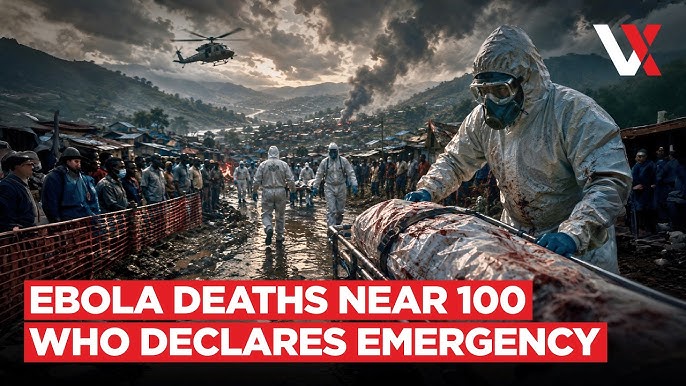
The Ebola epidemic in Uganda and the Democratic Republic of the Congo (DRC) has now been deemed a "Public Health Emergency of International Concern" (PHEIC) by the World Health Organization (WHO). We asked specialists about the outbreak, which contains the Bundibugyo strain of the Ebola virus, which is deemed deadly because there are no recognized vaccinations or particular therapies available for a cure, since this is the highest degree of global health alert issued by WHO. Should India be concerned as WHO authorities have called on nations to improve their emergency response, testing, and monitoring systems?Ebola is not a brand-new disease.
Over the past 50 years, the DRC has fought multiple outbreaks. However, the virus responsible for this outbreak is the Bundibugyo strain, one of the less common strains of Ebola, which may not be immediately apparent to many."The virus is a rare species called Ebola Bundibugyo, which standard field tests often miss and for which there are no vaccines or therapeutics," says Dr. Diksha Goyal, Consultant-Internal Medicine at Marengo Asia Hospitals. The entire situation is altered by that one line. Vaccines and targeted therapies assisted authorities in slowing the spread of Ebola during several prior outbreaks. As of this now, there isn't an authorized vaccine for this particular strain. Due to reports of many infections occurring within healthcare facilities, medical professionals are particularly concerned. Among the reported deaths are four nurses, indicating deficiencies in infection control.
Similar News
View All