Lifestyle
Dr. Meenakshi Dinde, a gynaecologist, discusses six lifestyle choices that are crucial while attempting to conceive in ones late 30s.


By Kajal Sharma - 09 Jul 2026 08:51 PM
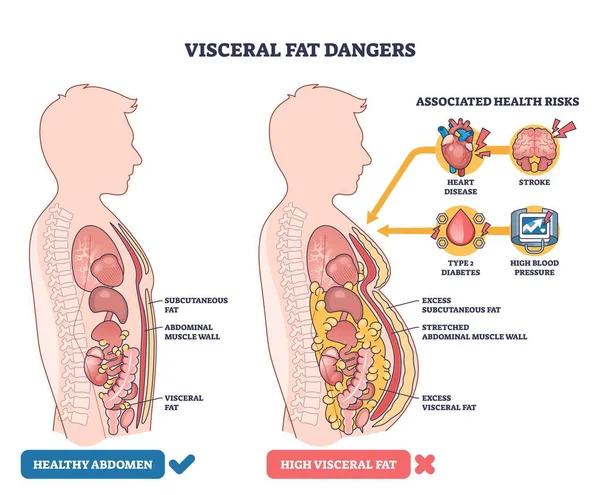
Many women today choose to start a family in their late 30s because of education, career goals, financial planning, or personal reasons. According to Dr. Meenakshi Dinde, a consultant gynaecologist, it is possible to have a healthy pregnancy in the late 30s, but this stage of life requires extra attention to overall health. As women get older, fertility naturally decreases because the number and quality of eggs decline. Hormonal changes can also make ovulation less regular, making it harder to conceive. In addition, health conditions such as high blood pressure, diabetes, or thyroid problems become more common with age and may affect pregnancy. However, Dr. Dinde says that following healthy lifestyle habits and getting proper medical guidance can improve the chances of a healthy pregnancy.The first and most important habit is maintaining a healthy body weight. Doctors look at a woman's overall health rather than focusing only on her age. Being overweight or underweight can disturb hormone levels and affect ovulation, making it more difficult to become pregnant. Even losing or gaining a small amount of weight to reach a healthy range can improve fertility.
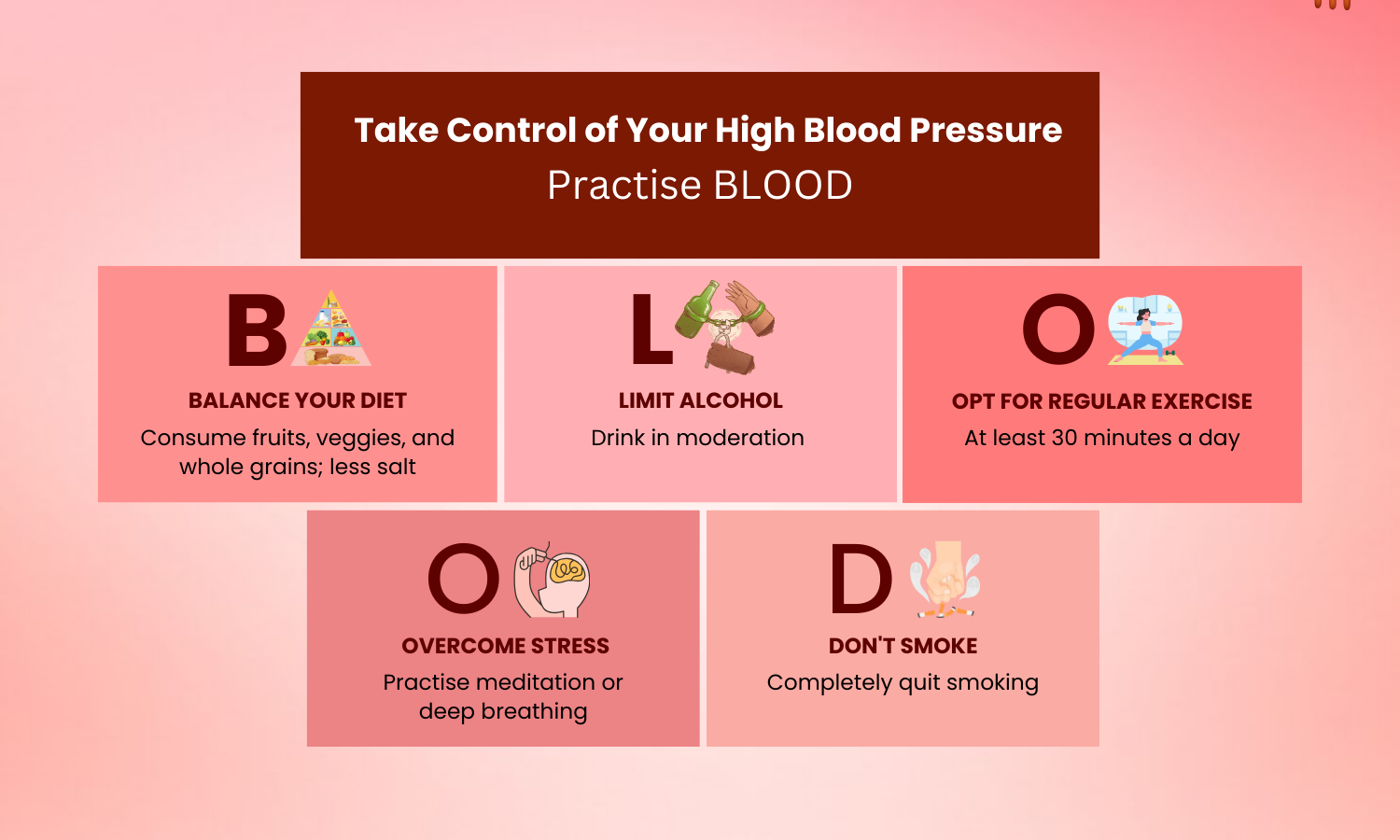
A healthy weight also reduces the risk of pregnancy-related complications such as gestational diabetes, high blood pressure, and delivery problems. Regular health check-ups and guidance from a doctor or nutritionist can help women achieve and maintain a healthy weight before trying for a baby.Dr. Dinde also highlights the importance of eating a balanced and nutritious diet. A healthy diet provides the body with essential nutrients needed for reproductive health and the baby's development. She recommends eating plenty of fresh fruits, vegetables, whole grains, lean proteins, nuts, seeds, and healthy fats. Nutrients such as folic acid, iron, calcium, and vitamin D are especially important before pregnancy because they support fertility and reduce the risk of birth defects. Instead of following strict diets or social media food trends, women should focus on simple, home-cooked meals that provide balanced nutrition. Drinking enough water and limiting processed foods, sugary drinks, and excessive caffeine can also support better health.Another key habit is staying physically active. Regular exercise improves blood circulation, supports hormonal balance, helps maintain a healthy weight, and reduces stress. Dr. Dinde suggests activities such as brisk walking, swimming, yoga, or cycling. The goal is not intense workouts but consistent physical activity that keeps the body fit and energetic. Exercise also improves mood and sleep quality, both of which are important during the journey of trying to conceive. Even 30 minutes of moderate exercise most days of the week can make a positive difference to overall health.
Similar News
View All