Advertising/Media
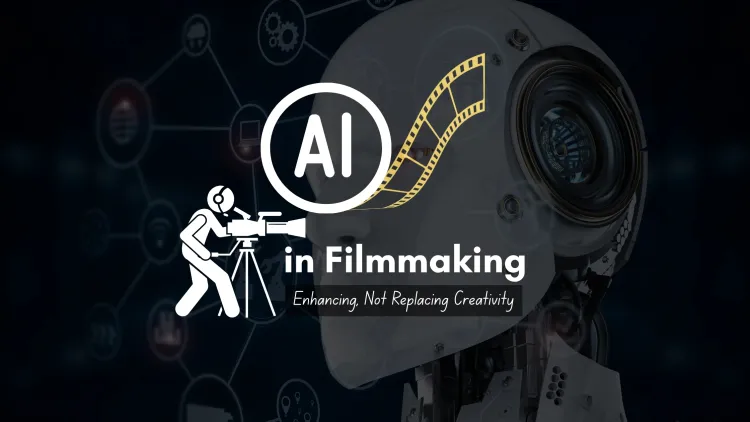
Storytellers rely more on human imagination when AI joins the filmmaking process.
By Kajal Sharma - 09 Jul 2026 08:43 PM
Artificial Intelligence (AI) is becoming an important part of the film industry. Today, many filmmakers use AI to help with tasks such as writing rough scripts, creating storyboards, editing videos, designing visual effects, improving sound quality, and even making digital characters. AI can complete many of these jobs much faster than humans, which helps save both time and money during film production. Big film studios and independent creators are exploring AI tools because they make the production process easier and more efficient. However, AI is still only a tool. It can analyze data and generate ideas based on existing information, but it cannot truly understand human emotions, personal experiences, or real-life relationships in the way people do.Because of this, storytellers are placing even greater importance on human imagination and creativity. Writers, directors, actors, and artists believe that the heart of every great film is its emotional connection with the audience. A powerful story comes from personal experiences, dreams, struggles, memories, and feelings that only humans can express. AI may be able to suggest scenes or dialogue, but it cannot create the same depth of emotion, originality, or cultural understanding that a human storyteller brings.
As AI becomes more common in filmmaking, many creators are focusing on developing unique stories that reflect real human experiences instead of depending only on technology.Many experts believe that the future of filmmaking will be a partnership between humans and AI rather than a competition. AI can handle repetitive and technical tasks, allowing filmmakers to spend more time on creativity, storytelling, and connecting with audiences. Film schools and production companies are also encouraging creators to learn how to use AI responsibly while protecting originality and artistic expression. The growing use of AI has started important discussions about copyright, ownership of creative work, and the need to protect the jobs of writers, actors, and other artists. These conversations are helping the industry create guidelines for the responsible use of AI.
Similar News
View All