Lifestyle
When paired with lifestyle support, obesity medications are most effective for young people.

By Kajal Sharma - 06 Jul 2026 04:42 PM
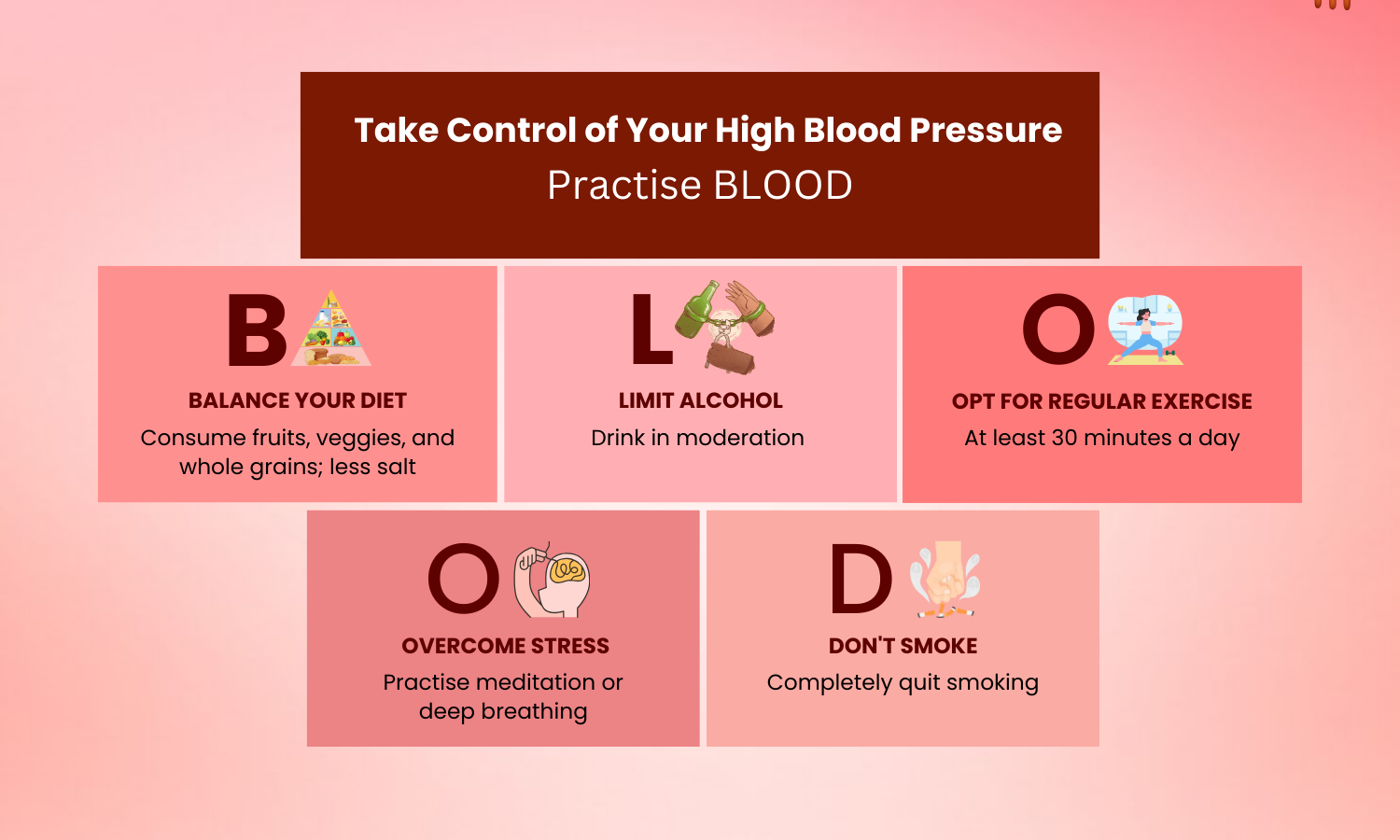
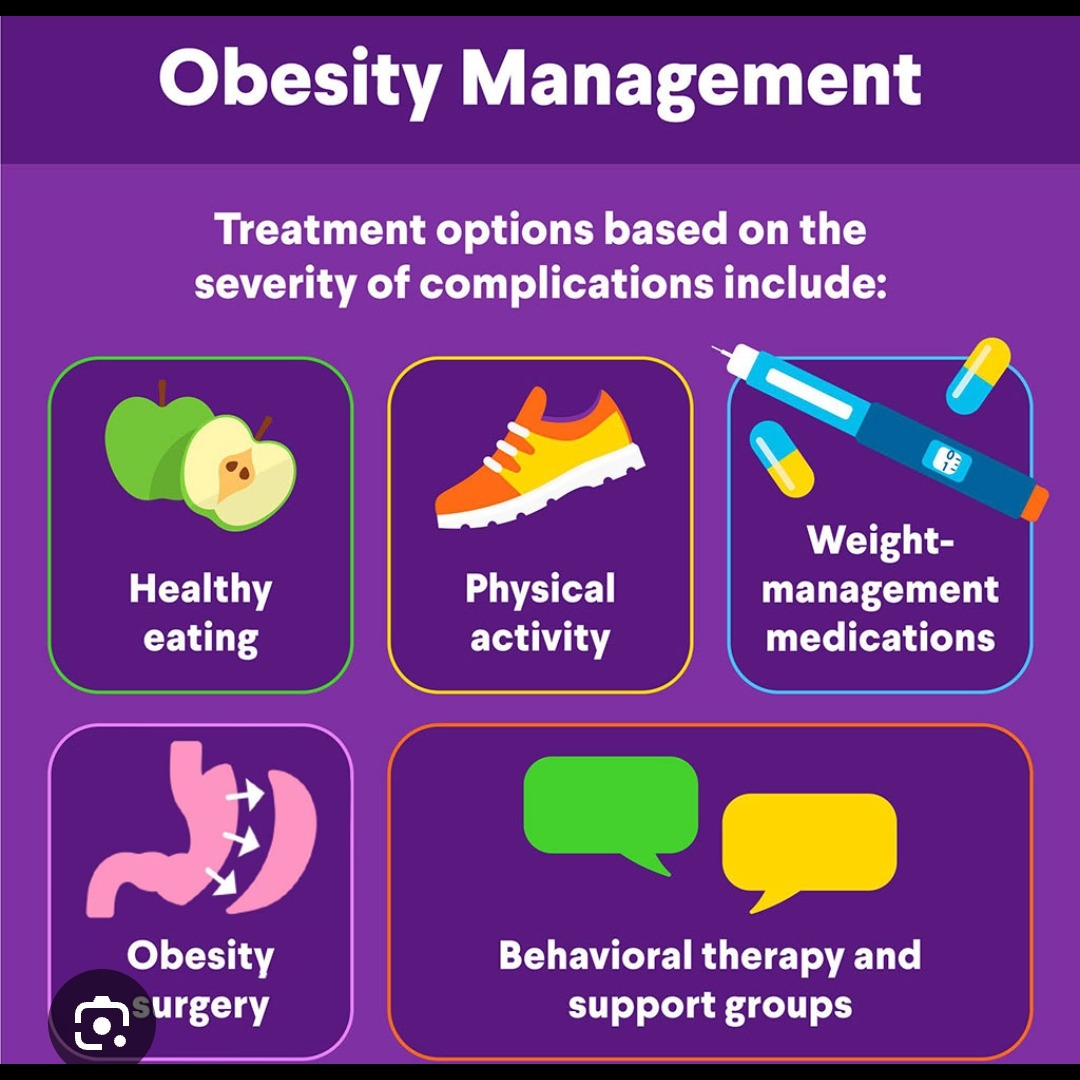
A new study has found that obesity medications are most effective for children and teenagers when they are combined with structured lifestyle support such as healthy eating, regular physical activity, and behavioral counseling. Researchers emphasized that medicines alone are not enough to achieve long-term weight management, especially among young people.The analysis reviewed different treatment approaches for childhood and adolescent obesity and found that the greatest weight loss occurred when anti-obesity medications were used alongside supervised lifestyle programs. These programs typically include guidance from dietitians, exercise specialists, and healthcare professionals who help young patients develop healthier habits that can be maintained over time.Experts noted that medications such as GLP-1 receptor agonists can reduce appetite and improve weight loss, but they should not replace balanced nutrition, regular exercise, and psychological support. Instead, these medicines should be viewed as one part of a comprehensive treatment plan designed to improve both physical and mental health.
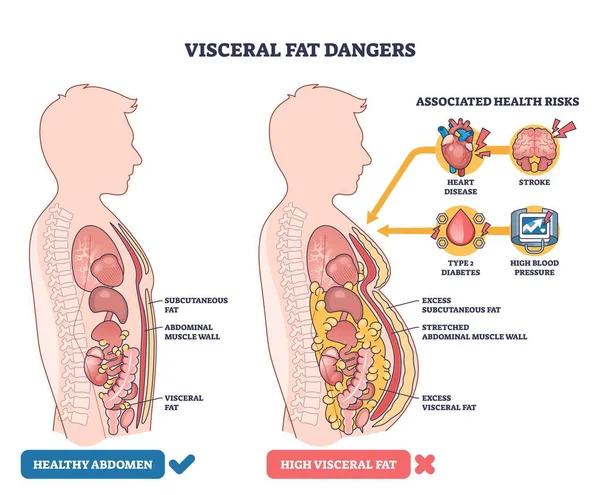
The findings are particularly important as childhood obesity continues to rise worldwide, increasing the risk of type 2 diabetes, heart disease, high blood pressure, and other long-term health problems. Early intervention that combines medication with lifestyle changes may help prevent these complications and improve quality of life for affected children and adolescents.Researchers also stressed the importance of family involvement in obesity treatment. Parents and caregivers play a key role in encouraging healthy eating habits, reducing sedentary behavior, and supporting regular physical activity. A supportive home environment can significantly improve the success of treatment and help young people maintain weight loss after medication is discontinued.Healthcare professionals believe the study reinforces the need for personalized obesity care rather than relying solely on medication. By combining modern weight-loss drugs with long-term lifestyle support, doctors can help children and teenagers achieve healthier, more sustainable outcomes while reducing the risk of future obesity-related diseases.
Similar News
View All