


Top Trending Education News & Highlights


Free lectures given by IIT professors can help students getting ready for the second JEE Main session.
April 1–April 15, 2024 is when the Joint Entrance Examination (JEE) Main Session 2 will take place. After registering for the exam, students can check the free lectures offered by the National Testing Agency (NTA) on their official website. To help understand concepts in the subject, NTA has made a number of videos of lectures by reputable IIT professors and subject matter experts available for viewing. The subjects of physics, mathematics, chemistry, and biology all have video lectures available. Additionally, the official NTA website stated that there is no assurance that questions on this subject will be included in the JEE Main or NEET-UG exam. The videos can be used by students to help them understand concepts and answer questions during the exam.The National Institutes of Technology (NITs), Indian Institutes of Information Technology (IIITs), and other Centrally Funded Technical Institutes (CFTIs) are among the esteemed institutions to which admission is granted through the JEE Main exam.A minimum of 75% of the possible points must be earned in the class 12 exam, or the candidate must rank in the top 20% of the board's 12th-grade exam to be eligible. The qualifying score drops to 65% for applicants who belong to Scheduled Tribes (ST) and Scheduled Castes (SC). Additionally, admission to the BE/BTech and BArch/BPlanning programs at these institutes requires a certain combination of subjects to be taken on the qualifying exam.
Published 04 Mar 2024 05:45 PM

Examine Crucial Questions for the Chemistry Boards
On February 27, 2024, the Chemistry examination for Class 12 students will be administered by the Central Board of Secondary Education (CBSE). Students who plan to take the exam can review Chemistry question papers from previous years by visiting the CBSE's official website. These are high-scoring questions from the Chemistry board exam from the previous year. Crucial questions in chemistry a) An element has a density of 11.5 g cm-3 and an atomic mass of 93 g mol-1. Determine the type of unit cell if the edge length of the cell is 300 pm. b) List any two ways that crystalline and amorphous solids differ from one another.a) It takes 100 minutes for 60% of a first order reaction to be completed. Determine the point at which 90% of the reaction will have finished. (b) Describe the function of the activated complex in a reaction using the diagram. The following are the components of the 3D transition series: Cr Mn Fe Co Ni Cu Zn Se Ti V (i) Write the element that has the most oxidation states possible. Give an explanation. (ii) What is the highest m.p. element? Which element only exhibits the +3 oxidation state (iii)? (iv) In the +3 oxidation state, which element is a potent oxidizing agent and why? Perform the subsequent conversions: a) But-2-en-1-al to Ethanal b) 2-chloropropanoic acid is produced from propanoic acid. Identify using an appropriate chemical test: a) CH3CH2CH2CHO and CH3COCH2CH3. b) Acid ethanolic and ethanolal a) Write the acetone oxime's structure. Give a rationale for every one of the following: (i) Of the transition elements in the 3d series, manganese has the highest oxidation state of +7. (ii) It is generally discovered that transition metals and their compounds function well as catalysts in chemical reactions. (iii) Zn has the lowest atomization enthalpy. (iv) In an aqueous solution, Cu+ is unstable.
Published 23 Feb 2024 03:51 PM

Board Exams for CBSE 2024
Today is the first day of the CBSE Class 10 board exams for major subjects. The Hindi paper is up first. The time of the Hindi-A and Hindi-B paper exams is set for 10.30 a.m. to 1.30 p.m. Then, on February 26, there will be an English major subject exam. Exams in Telugu-Telangana, Bodo, Tangkhul, Japanese, Bhutia, Spanish, Kashmiri, Mizo, Bahasa Melayu, National Cadet Corps, and Malayalam, Malayalam, Odia, Assamese, Kannada, and Kokborok will be held by the board on February 23 and February 24, respectively. The board emphasizes the importance of using the OECMS platform for submissions, and schools are encouraged to report observations and exam-related issues on an annual basis. Schools are also encouraged to send observations to qpobservation@cbseshiksha.in on the day of the exam in case they require any clarification. Guidelines for center superintendents to adhere to: The subjects that the students are offering should be taken into consideration when assigning seats. Students enrolled in Hindi-A and Hindi-B courses should be assigned seats together.The question paper for Hindi-A should be given to students who are offered it, and the question paper for Hindi-B should be given to students who are offered Hindi-B. When question papers are distributed, nothing should go wrong. Answer books for Hindi-A and Hindi-B will also be packaged separately after the exam is over. The students' admit card subject is final, and they should only be permitted to appear in the subject that is listed on the card. The testing center is unable to alter the subject.The CBSE Board Exams 2024 for Classes 10 and 12 commenced on February 15 and ended on March 13 for Class 10 and April 2 for Class 12.
Published 21 Feb 2024 11:03 AM

Notification of Admission to Online MTech Courses IISc Bangalore
For the academic session 2024, the Indian Institute of Science (IISc), Bangalore, has released a notification for admission to its MTech (Online) Degree Program, which is intended primarily for working professionals. Both theoretical coursework and real-world project assignments completed in affiliated organizations are part of the program. Starting on March 15 and ending on April 1, the application process will be open. The MTech programs in Electronics and Communication Engineering, Data Science and Business Analytics, and Artificial Intelligence are available. All classes will be offered online and taught by knowledgeable faculty members. The following are the requirements for admission to IISc Bangalore's MTech programs in 2024: Data science and business analytics: BE, BTech, BS (4 years), or an equivalent diploma following the 12th grade, or a master's degree in any field, are required as degrees. Minimum score: In all degrees, at least 60% of the possible points, or its equivalent. Artificial Intelligence: BTech or BE in CS, ECE, EE, or a related field is required. Minimum grade: In all degrees, at least 70% of the possible pointsEngineering for electronics and communication: Requirement for degree: BE or BTech in EE/CSE or a related field. Minimum score: In all degrees, at least 60% of the possible points, or its equivalent. Selection Procedure: An online written exam is part of the selection procedure. The ECE test is set for May 4 from 4 to 5 p.m., and the AI course test is scheduled for May 4 from 10 to 11 a.m. The exam window for the DSBA stream is May 5 from 10 to 11 a.m. To be eligible for the MTech programs at IISc, applicants must submit their marksheets from classes 10, 12, undergraduate, and postgraduate studies, along with a signed sponsorship letter from their employer.The following is the program fee structure: ₹ 9.8 lakh for artificial intelligence Analytics for Business and Data Science: ₹ 9 lakh Engineering in Electronics and Communication: ₹ 9.7 lakh.
Published 20 Feb 2024 03:54 PM


Education
Education is also one of the biggest endustry and there are so many start ups are coming up with unique ideas to help education system and the kids to go to a new level.
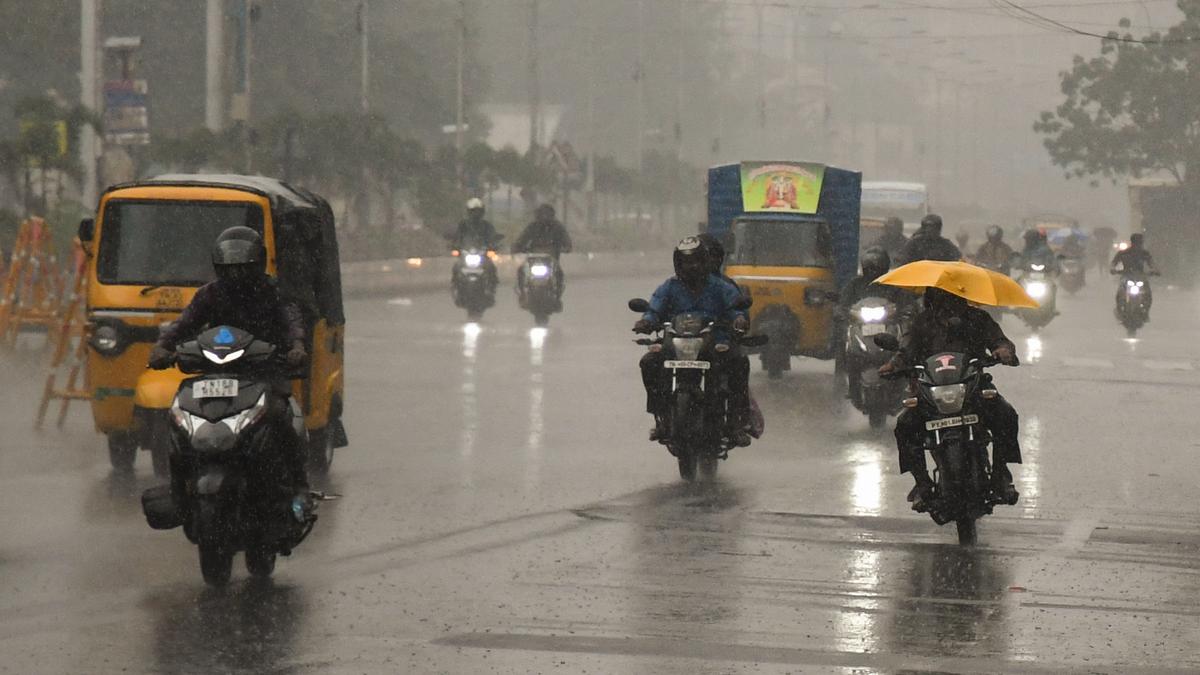
Tamil Nadu schools and institutions have been given a holiday due to the severe rainfall.
On January 8, holidays have been proclaimed in the districts of Cuddalore, Villupuram, Mayiladuthurai, Nagapattinam, Vellore, Ranipet, Tiruvannamalai, Tiruvarur, Kallakurichi, and Chengalpattu.On January 8, a holiday was proclaimed for schools and institutions in several districts of Tamil Nadu, including Cuddalore, Villupuram, Mayiladuthurai, Nagapattinam, Vellore, Ranipet, Tiruvannamalai, Tiruvarur, Kallakurichi, and Chengalpattu, because of severe rains.On January 8, 2023, Mayiladuthurai District Collector A.P. Mahabharathi issued a holiday for the district's colleges and schools. Johny Tom Varghese, the district collector of Nagapattinam, announced a holiday for colleges and schools in the taluks of Kilvelur and Nagapattinam. Nonetheless, schools in the taluks of Thirukuvalai and Vedaranyam will continue to operate. From 8.30 a.m. on January 7 to 5.30 a.m. on January 8, 16.7 cm of rain fell in Nagapattinam. The locations with the most rainfall were Karaikal (12.2 cm), Puducherry (9.6 cm), Cuddalore (9.3 cm), and Ennore (9.2 cm).

How HRtech Startup Erekrut Is Revolutionizing Employers Hiring and Employee Job Search Processes
Since the start of the Covid-19 outbreak, hiring has been erratic. The alternatives available to recruiters have changed over time, ranging from totally remote, tech-driven interviews to in-person meetings brought on by the present back-to-office demands. Job seekers have also witnessed seismic shifts, with tech giants facing broad cuts and the "Great Resignation" giving way to enormous layoffs. Nevertheless, it's still difficult to get qualified applicants through the door, even in this unstable labor market. As a result, businesses and recruiting managers seek to create a talent pipeline that is both efficient and affordable, as well as future-proof recruitment. There are numerous elements to a successful talent hunt, such as finding the ideal candidate, creating a memorable application process, and providing individualized growth plans. Additionally, hiring must be quick and scalable in order to avoid losing out on top talent, income, and credibility for the business. To keep ahead of the curve, nothing really works better than quickly identifying the top candidates for open positions and automating processes. However, in 2019 Amity University fashion student Ajay Goyal witnessed the other side of the story while working as a volunteer for the university's campus-to-corporate program. It was obvious at the time that traditional hiring would need to be fixed because of its drawn-out processes, slow candidate responses, and general impersonal approach that failed to draw in or accommodate outstanding talent. Ajay, being one to let things slide, went to his father, Dr. Ravinder Goyal, who was a professional with almost thirty years of expertise in vocational training and placement.

Prerna Korla becomes a Director of Communications for Asia Pacific at Mastercard.
Prerna Korla is a new Director of Communications for Asia Pacific at Mastercard. With over 15 years of significant experience, Prerna is a communication and PR specialist who has worked with leading Indian and international B2B and B2C brands. Prerna spent more than two years as Manager, Senior Communications at Microsoft before joining Mastercard.She was the Uber South Asia and India Consumer Communications Lead. Prerna has also collaborated with a number of PR companies, such as Edelman and MSL Group India. Prerna Korla has been appointed by Mastercard India as the director of communications for Asia Pacific. She leaves Microsoft after working there for two years as a senior communications manager. Korla updated her LinkedIn post on this development. Korla was the head of customer communications for a brief period of time at Uber before.

Rural startups want greater access to capital, better infrastructure, and an enhanced supply chain.
From streamlined supply chains to subsidies, better infrastructure, and easy access to funding, rural companies are putting up a strong fight for new programs designed to boost research and innovationStartups operating in different sectors, particularly in smaller towns and villages, said that as the Lok Sabha elections and the Budget approach, they anticipate the government will examine a number of teething problems, even though their "overall performance has improved owing to various policy changes in the past couple of years.""A number of challenges, including obsolete machinery, inefficient supply chains, inadequate infrastructure, and limited financing availability, confront India's food processing business. Pardeep Kumar Yadav, the founder of Krini Spices, told PTI, "We expect the government to help us connect with global supply chains so we can export our products to international markets."Startups operating in different sectors, particularly in smaller towns and villages, said that as the Lok Sabha elections and the Budget approach, they anticipate the government will examine a number of teething problems, even though their "overall performance has improved owing to various policy changes in the past couple of years".

In 2023, Meesho plans to resume hiring on campuses and hire 150 candidates.
Meesho, an online retailer that stopped hiring on campuses in 2022, reported that it had hired 150 people in 2023. In 2024, the business supported by SoftBank plans to hire more young workers, it said."Meesho put a halt to campus hiring in 2022 because its main goal was profitable expansion. Without adding more employees, the company's primary goal was to become profitable, Chief HR Ashish Kumar Singh told Livemint.Meesho is hiring in the following areas: business, finance growth, consumer experience, analytics, monetization, technology and product, and human resources.Salary packages for non-tech positions like strategy and operations have increased compared to the previous year, the company stated. In search of campus hiring opportunities, the e-commerce platform traveled to the following locations: Indian Institute of Science (IISC), Indian Institute of Information Technology (III) Allahabad, BITS Pilani, Indian Institute of Management (IIMs)-Lucknow and Kozhikode, National Institutes of Technology-Delhi, Bhopal, Surat, Calicut, Institute of Chartered Accountants of India (ICAI), and Management Development Institute (MDI). All of these locations were visited by the e-commerce platform.According to the e-commerce startup, Indian Institute of Information Technology (IIIT) Allahabad and IIT BHU are the campuses with the highest number of hirings. Meesho announces first profit in July and plans to go public in 12–18 months. Meesho hired 150 students in total in 2021 for both tech and non-tech positions. Meesho just added IIIT Bangalore, IIIT Lucknow, IIIT Jabalpur, and IIIT Kota to its roster of institutes for campus recruiting. The online retailer announced in December 2023 that it had posted consolidated profit after taxes for the second quarter that ended in September 2023, making it the first unicorn in e-The company put the rise in sales down to a number of factors, including a rise in the number of shopping apps downloaded in India in 2022 and 2023, an increase in the frequency of transactions for current clients, a diversification of the product line, and an emphasis on enhancing revenue generation through different value-added seller services.

Four new scholarships for law and chemistry students will be established by BHU.
"Four new scholarships are being established by Banaras Hindu University (BHU) for its law and chemistry students. These scholarships, which will begin to be awarded in the academic year 2024–2025, are being established since the institution has been given a donation of Rs 20 lakh under the Pratidana project. Madan Mohan Kayastha and his spouse Santosh Kayastha have contributed this amount in remembrance of their parents. Mr. Kayastha graduated with his M.Tech. in Industrial Chemistry in 1951 from Banaras Hindu University. Established in honor of Sh. Madan Mohan Kayastha's parents, the Sita Ram and Ajudhia Devi Scholarships will be given to one female first-year B.Sc. (Hons) Chemistry student and one first-year M.Sc. (Chemistry) student at the Institute of Science. As a memorial to Mrs. Santosh Kayastha's parents, the Bhagwati and Mulk Raj Mahajan Scholarships have been established (Mahajan). A female first-year BA (LLB) Hons student and a second-year LLM student will each receive a scholarship."
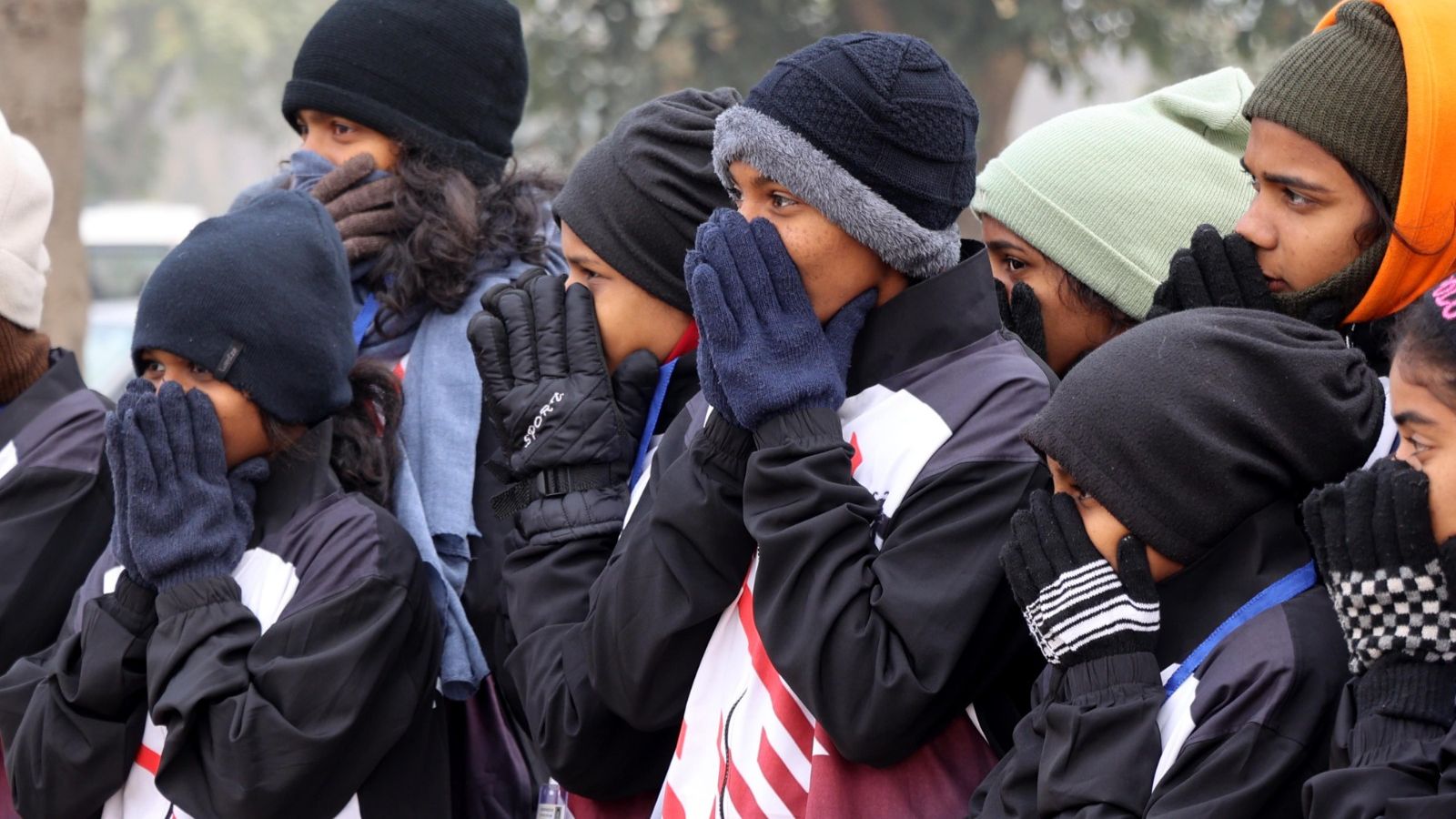
Winter break is announced in Rajasthan, Jharkhand, and Haryana.
"The chief minister of Haryana has declared a 15-day winter holiday, starting on January 1, 2024, and ending on January 15, 2024.Several Indian states have ordered government and private schools to cancel in-person classes for winter break as winter draws near. The chief minister of Haryana has declared a 15-day winter break, starting on January 1, 2024, and ending on January 15, 2024. Regarding the aforementioned topic, you are notified that the state's government and private schools will be closed from January 1, 2024, to January 15, 2024, for winter vacation. On Tuesday, January 16, 2024, schools will reopen, the CMO announced on its official 'X' account."
Order to extend Delhi schools winter break to January 10th revoked. This is the reason
The prior order was "mistakenly" issued, according to the Delhi Department of Education, and a judgment on the subject will be made on Sunday.Shortly after extending the holiday to January 10, the Delhi administration on Saturday reversed an order extending winter vacation in the nation's capital. According to news agency ANI, the Delhi department of education confirmed that the previous order was "mistakenly" issued and that a decision will be made on the case on Sunday morning. The Delhi government claimed an intense cold wave and a yellow signal issued by the IMD as reasons for the extension, which has since been turned back. "An order to extend the winter break was issued improperly. The order was revoked immediately. The Delhi administration on Saturday revoked an order extending winter vacation in the national capital's schools, just hours after it was extended until January 10. The Delhi Department of Education explained that the previous order was given "mistakenly" and that a judgment on the subject will be made on Sunday morning, according to news agency ANI.The Delhi Directorate of Education noted that directives for winter holiday may be issued in due time. "Order No.DE.23(3)/Sch.Br./2024/18, dated January 6, 2024, regarding the extension of Winter Vacation, is withdrawn with immediate effect." "Additional orders in this regard may be issued in due course," the modified order stated. In a prior decree, the Delhi government extended the winter break in all government-aided and unaided recognized private schools in the national capital territory (NCT) until January 10 due to "extreme cold waves and IMD's yellow alert".
Delhi schools are closed for winter break until January 12 for kids in Class 5.
Schools in Delhi, Punjab, and Lucknow will be closed for the next few days due to the recent cold snap in North India. The decision to extend winter vacation was made because student safety has become the top priority due to the sharp drop in temperatures.Minister of Education Atishi said on Sunday that Delhi's government and private schools will be closed for pupils in Nursery through Class 5 until January 12 due to the current chilly weather. Minister of Education Atishi said on Sunday that Delhi's government and private schools will be closed for pupils in Nursery through Class 5 until January 12 due to the current chilly weather.Additionally, from January 8 to January 14, all schools in Punjab are to remain closed, per government orders. Schools in Noida and Greater Noida are instructed to stay closed for Class 8 students till January 14, 2024.



Registration for CAT 2026 is open today at iimcat.ac.in; the exam is scheduled for November 29.
Today, August 3, 2026, is the official start of the Common Admission Test (CAT) 2026 enrolment procedure on the official CAT website. Applications for MBA and other postgraduate management programs at Indian Institutes of Management (IIMs) and other top business institutions in India can now be submitted online. This year's test will be administered by IIM Indore on November 29, 2026. Candidates will have just over a month to finish their applications since the registration window will be available until September 15, 2026.Students can apply by going to iimcat.ac.in, the official CAT gateway. Candidates must fill out the application form after creating an account with their personal information and verifying their email address and mobile number with an OTP. Academic credentials, work experience (if available), preferred test cities, and the submission of required papers, including a recent passport-sized photo and signature, are all required on the form. In order to finish the registration procedure, candidates must pay the required examination cost after studying the instructions.In three sessions, CAT 2026 would be administered as a computer-based test (CBT) in about 170 Indian test cities. Verbal Ability and Reading Comprehension (VARC), Data Interpretation and Logical Reasoning (DILR), and Quantitative Aptitude (QA) are the three portions of the 120-minute test. Along with other selection factors like academic performance, work experience, group discussions, and in-person interviews, CAT results will be used to determine admission to the 21+ IIMs and numerous other esteemed management schools.
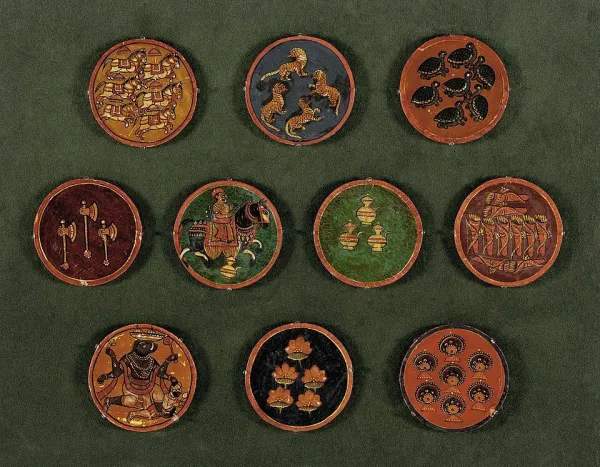
UPSC daily subject quiz History and Culture Week 160 Swadeshi, cultural words, protests, and more
The UPSC Essentials Daily Subject Quiz – History and Culture (Week 160) has been released to help civil services aspirants strengthen their preparation for the UPSC Civil Services Examination. This week's quiz focuses on important topics from Indian history and culture, including the Swadeshi Movement, the Partition of Bengal, the famous slogan "Vande Mataram", the traditional card game Ganjifa, the Drain of Wealth Theory by Dadabhai Naoroji, and Jayaprakash Narayan's "Total Revolution" movement. The quiz is designed to improve conceptual understanding rather than simple memorization by explaining the historical background behind each question. It encourages students to connect current affairs with historical events, a skill that is frequently tested in the UPSC examination. Education experts believe that such daily quizzes are becoming an essential part of UPSC preparation because they help candidates revise important topics in a structured manner while identifying areas that need improvement. Instead of only reading textbooks, aspirants get an opportunity to test their knowledge through multiple-choice questions followed by detailed explanations. This approach not only improves accuracy in the Preliminary Examination but also strengthens the conceptual foundation required for the Mains examination and interview. Regular practice with subject-wise quizzes allows students to stay consistent with their preparation and build confidence over time, making them better prepared for one of India's most competitive examinations.
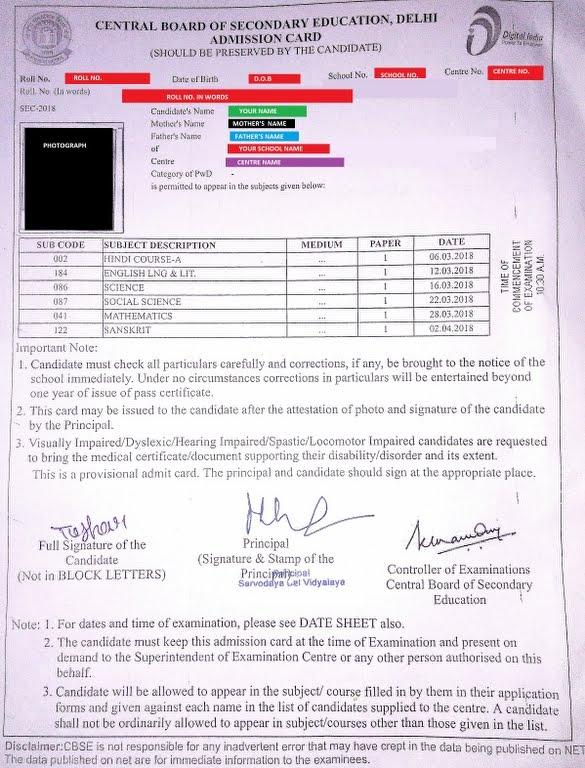
Admit card, instructions, and other information for the CBSE Class 12 Supplementary Exam 2026 on July 28
The Central Board of Secondary Education (CBSE) will conduct the Class 12 Supplementary Examination 2026 on July 28. This exam gives another opportunity to students who could not clear one or more subjects in the regular board examination. Students who are appearing for the supplementary exam are advised to be fully prepared and follow all instructions issued by CBSE.The CBSE Class 12 Supplementary Exam 2026 admit cards have already been released. Regular students can collect their admit cards through their respective schools, while private candidates can download their hall tickets online using their login details. Students must carry a properly signed and stamped admit card to the examination centre, as entry will not be allowed without it.The supplementary examination will be held on July 28 across different exam centres in India. The papers will include major subjects such as English, Hindi, Mathematics, Physics, Chemistry, Biology, Accountancy, Business Studies, Economics, Computer Science and other subjects. The examination is scheduled to be conducted mainly from 10:30 AM to 1:30 PM.CBSE has advised students to reach the examination centre on time and carry all required documents. Along with the admit card, students should bring their school identity card (if applicable), necessary stationery items and follow the seating and examination rules carefully. Students should also check their admit card details, including name, roll number, subject and exam centre information, before the exam day.The board has also issued strict guidelines for students. Mobile phones, smartwatches and other electronic communication devices are not allowed inside the examination hall. Carrying any prohibited item may lead to action under CBSE’s unfair means rules. Students should maintain discipline, avoid any unfair practices and focus on completing their paper calmly.For many students, the supplementary exam is an important second chance to improve their results and continue their higher education plans without losing an academic year. Students are encouraged to stay confident, revise important topics and appear for the exam with a positive mindset.

Weekly Concepts for UPSC Snapshot An explanation of Qdenga, Principal Purpose Test, and POPs
The latest UPSC Weekly Concepts Snapshot highlights three important topics from science, international taxation, and environmental governance that are relevant for UPSC Prelims and Mains. These concepts have recently been in the news and are important for understanding India's public health, global taxation rules, and environmental commitmentsQdenga (TAK-003) has become India's first approved dengue vaccine after receiving marketing authorization from the Central Drugs Standard Control Organisation (CDSCO). Developed by the Japanese pharmaceutical company Takeda, it is a live-attenuated tetravalent vaccine that provides protection against all four dengue virus serotypes (DENV-1, DENV-2, DENV-3, and DENV-4). The vaccine is approved for individuals aged 4 to 60 years and is expected to play a significant role in reducing severe dengue cases and hospitalizations. Since dengue remains a major public health concern in India, the approval of Qdenga marks an important milestone in disease prevention and vaccine development. For UPSC, aspirants should understand the vaccine's technology, its public health significance, and India's efforts to control vector-borne diseases. The Principal Purpose Test (PPT) is an anti-tax avoidance rule introduced under the OECD's Base Erosion and Profit Shifting (BEPS) framework and incorporated into many Double Taxation Avoidance Agreements (DTAAs). Under this rule, treaty benefits such as reduced tax rates can be denied if one of the principal purposes of a transaction or arrangement is to obtain those tax advantages rather than to carry out genuine business activities. The PPT aims to prevent treaty shopping, where companies route investments through countries with favourable tax treaties solely to reduce tax liability. India has adopted the PPT through the Multilateral Instrument (MLI), making it an important component of international taxation. UPSC candidates should understand its objective, its role in preventing tax avoidance, and its significance in strengthening global tax transparency.Persistent Organic Pollutants (POPs) are toxic chemical substances that remain in the environment for long periods without breaking down. They can travel long distances through air and water, accumulate in the tissues of humans and animals, and become more concentrated as they move up the food chain through a process known as biomagnification. POPs include chemicals such as DDT, PCBs, dioxins, and certain industrial pesticides. Exposure to these substances can lead to serious health problems, including cancer, reproductive disorders, immune system damage, and developmental defects. To address this global environmental challenge, countries have adopted the Stockholm Convention on Persistent Organic Pollutants, which aims to eliminate or restrict the production and use of these hazardous chemicals. India is a party to this convention and has taken steps to regulate POPs under its environmental laws. UPSC aspirants should understand their characteristics, environmental impact, and the importance of international agreements in controlling hazardous pollutants.
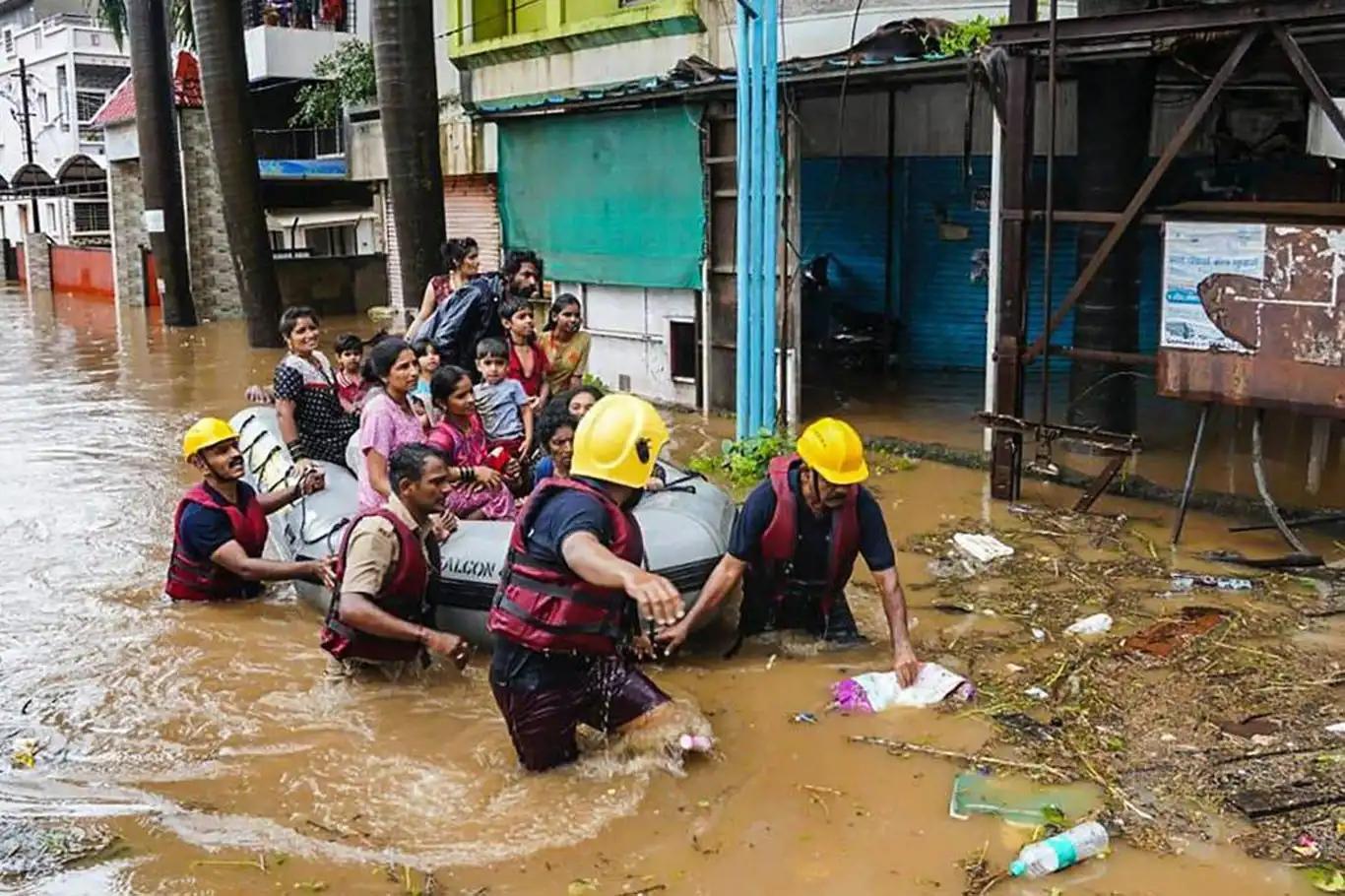
UPSC Key: Flash floods, Lothal, and Vande Mataram
The Union Government has introduced the Prevention of Insults to National Honour (Amendment) Bill, 2026. The Bill proposes to give Vande Mataram, India's National Song, the same legal protection that is currently provided to the National Anthem under the Prevention of Insults to National Honour Act, 1971. If passed, intentionally insulting or disrupting the singing of Vande Mataram could become a punishable offence. The song was written by Bankim Chandra Chattopadhyay and first appeared in his novel Anandamath in 1882. The first two stanzas were adopted as India's National Song on 24 January 1950.Lothal is one of the most important cities of the Indus Valley Civilization (Harappan Civilization), located in present-day Gujarat. It is famous for having one of the world's earliest known dockyards, showing that the Harappans had advanced knowledge of maritime trade and engineering. Lothal was an important trading centre with countries such as Mesopotamia and is also known for bead-making, pottery, and metalwork. Today, the National Maritime Heritage Complex is being developed near Lothal to showcase India's rich maritime history and cultural heritage.Flash floods are sudden floods that occur within a few hours of very heavy rainfall, cloudbursts, or the rapid release of water. They are common in hilly and mountainous regions such as the Himalayas, but can also occur in urban areas with poor drainage systems. Recent studies show that climate change, extreme rainfall, saturated soil, deforestation, and unplanned urbanisation are increasing the frequency and intensity of flash floods in India. Experts recommend better early warning systems, climate-resilient infrastructure, improved land-use planning, and region-specific disaster management strategies to reduce the impact of these disasters.
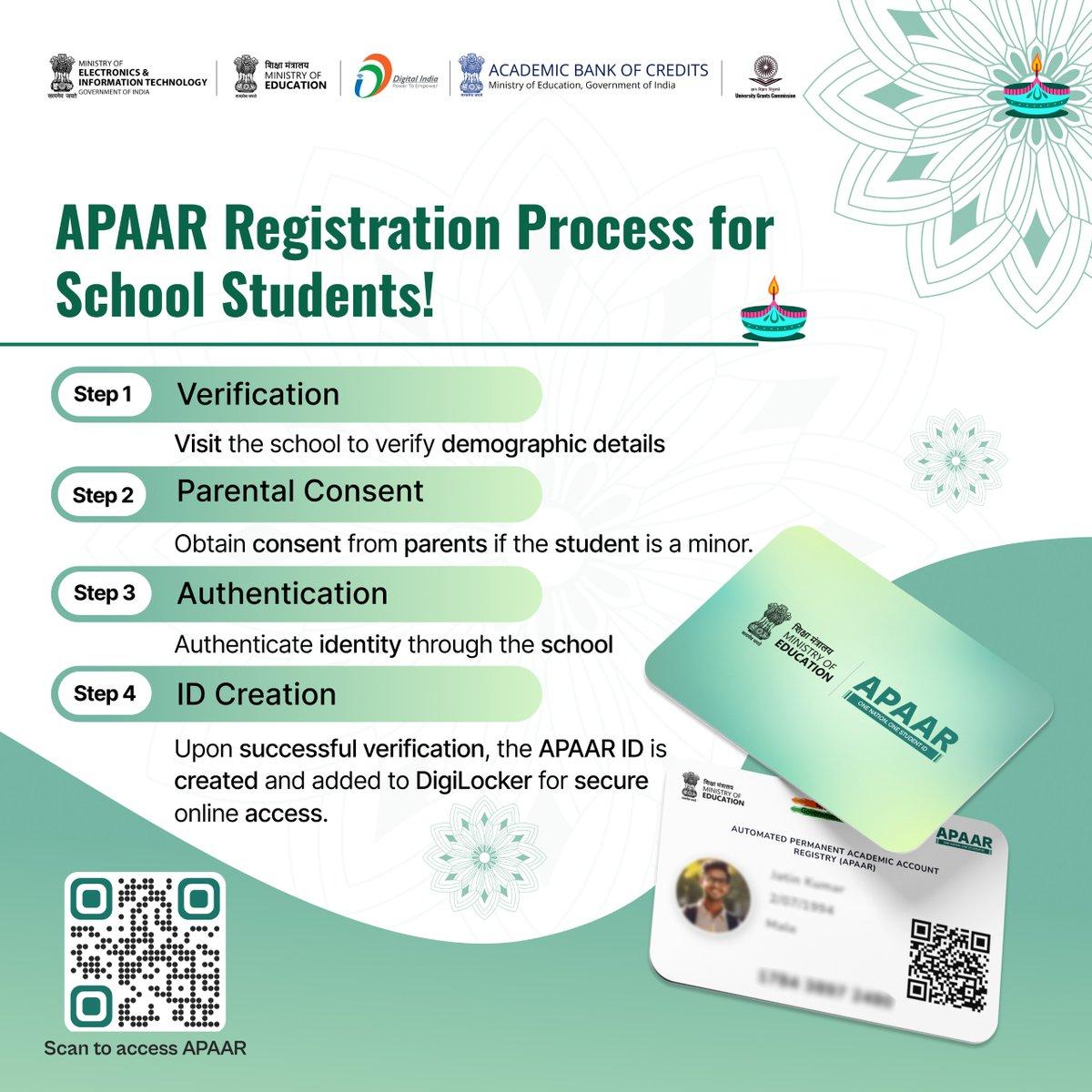
The Supreme Court will request that CBSE permit parents to refuse the release of APAAR ID data.
The Supreme Court said today that it will direct the Central Board of Secondary Education (CBSE) to implement an Orissa High Court ruling requiring changes to the APAAR (Automated Permanent Academic Account Registry) ID consent form. The proposed change will ensure that parents across India have a clear option to refuse consent or opt out of the APAAR ID scheme for their children. The case was heard by a bench led by Chief Justice Surya Kant along with Justice Joymalya Bagchi and Justice V. Mohana. The petition was filed by the parents of four students, who argued that although the government describes APAAR as a voluntary scheme, its link with Aadhaar and school processes makes it effectively compulsory. They also raised concerns about children's privacy and the handling of personal data. The Supreme Court observed that since the Centre did not challenge the Orissa High Court's 2025 judgment, it would ask CBSE to implement that ruling across the country. The Court also indicated that CBSE should examine issues related to informed consent, data protection, and compliance with the Digital Personal Data Protection (DPDP) Act, 2023.

How AIR 4 Ayush Bhalotias re-NEET exam went from a 695 to a 710
A dramatic turnaround in the NEET UG 2026 re-examination has made Ayush Bhalotia one of the biggest success stories of this year's medical entrance exam. Initially, after the first NEET examination held on May 3, Ayush estimated that he had scored around 695 marks out of 720. While this was an excellent score, it was unlikely to secure admission to his dream college, AIIMS Delhi, due to the highly competitive cut-offs. However, after the original examination was cancelled following the alleged paper-leak controversy, the National Testing Agency (NTA) conducted a re-examination on June 21. Ayush took the exam again and improved his score to 710 out of 720, earning All India Rank (AIR) 4 with a percentile of 99.99965. Ayush, who belongs to Bihar, had moved to Kota, Rajasthan, to prepare seriously for NEET. Speaking after the results, the 18-year-old said he never imagined finishing among the top ten candidates in the country. He explained that the re-examination gave him another opportunity to correct his mistakes and strengthen the areas where he had lost marks in the first attempt. Despite the uncertainty caused by the cancellation of the original exam, he remained calm and confident because he believed his preparation was strong enough to perform well again. According to Ayush, maintaining consistency throughout his preparation and avoiding panic during the controversy helped him achieve an even better result in the second examination. Ayush also shared that he found the June 21 re-exam to be of better quality than the original paper. He said the questions were more clearly written, better balanced, and tested concepts more effectively. Although the paper was tougher, he felt the improved clarity allowed well-prepared students to perform according to their abilities. His improved score from 695 to 710 proved how effectively he used the additional preparation time after the first exam was cancelled. Coming from a non-medical family, Ayush will become the first doctor in his family. His father runs a business, while his mother is a homemaker. He said his interest in Biology inspired him to choose medicine over engineering and motivated him to work towards a career as a doctor. His journey highlights the importance of discipline, confidence, and making the best use of unexpected opportunities. The re-examination, which initially caused anxiety for many students, ultimately became the turning point that helped Ayush secure one of the highest ranks in the country and move closer to fulfilling his dream of studying at AIIMS Delhi.
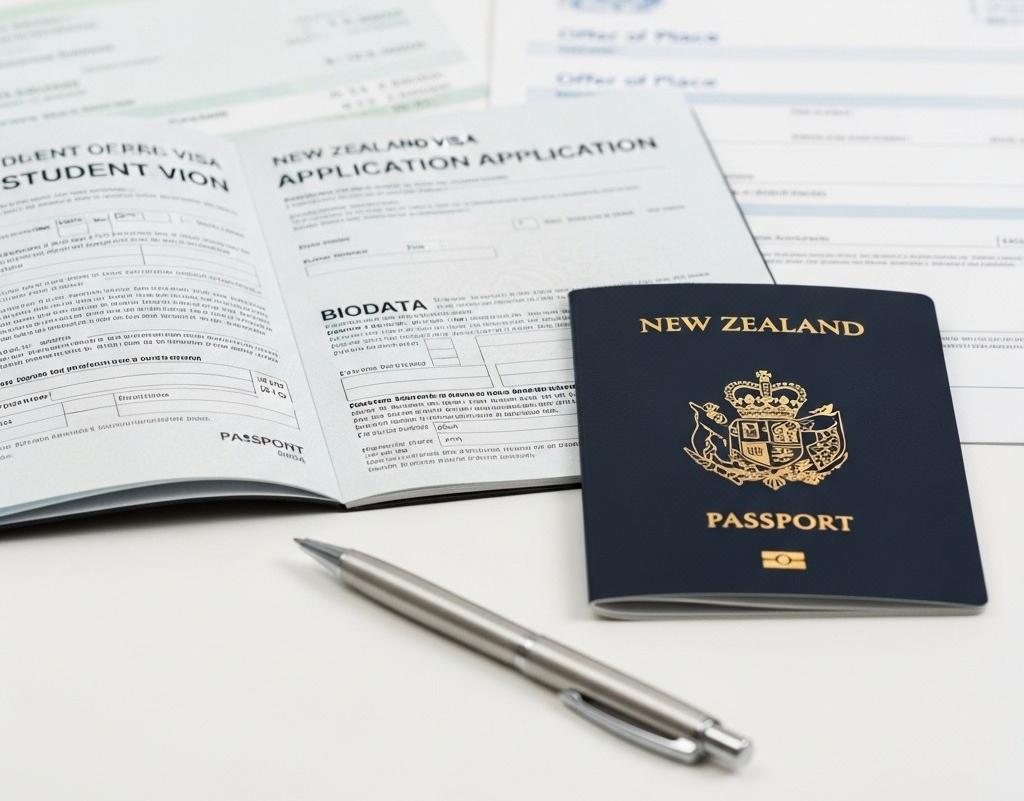
New Zealand loosens regulations on student visas; change courses, not visas
New Zealand has announced important changes to its student visa system, making it easier for international students to continue their education without unnecessary paperwork. Under the revised Pathway Student Visa (PSV) rules, eligible students moving from school to higher education will now be able to change their field of study without applying for a new student visa. Earlier, students who decided to switch from one academic discipline to another after receiving a Pathway Student Visa had to submit a fresh visa application before starting the new course. This process often caused delays, additional expenses, and uncertainty for students. With the new rules, visa conditions will focus on the qualification level and the approved education provider rather than the specific subject or discipline being studied. As long as students continue to meet the conditions of their existing visa, they can change their course within the same provider and qualification type without going through a new visa application process. The updated policy is designed to give students greater flexibility to make informed academic decisions as their interests and career goals develop over time. The revised visa policy is expected to make New Zealand a more attractive destination for international students, including those from India, by offering a smoother and more student-friendly education pathway. Along with allowing students to switch academic disciplines, the updated Pathway Student Visa will cover a wider range of study programmes, including additional English-language, foundation, and vocational courses. These improvements are part of New Zealand's broader strategy to strengthen its international education sector and attract talented students from around the world. Education experts believe the changes will reduce administrative hurdles, save time and costs for students, and encourage greater confidence in choosing New Zealand for higher studies. The government says the new rules will help students keep their study options open for longer while ensuring they continue to meet immigration requirements. The updated visa rules are scheduled to take effect from July 20, 2026, giving future international students greater flexibility and a more convenient academic journey in New Zealand

In ten years, private universities in India expanded four times faster than public ones.
Over the last ten years, private universities in India have grown much faster than government universities. According to recent reports, the number of private universities has increased nearly four times faster than the number of government universities. This growth has happened because more students are looking for higher education, and private institutions have stepped in to meet this demand. Many states have also introduced policies that make it easier for private organizations to establish universities. As a result, India now has a much larger network of private higher education institutions than it did a decade ago.One of the main reasons for this rapid growth is the increasing number of students completing school and seeking college education. Government universities alone have not been able to provide enough seats for everyone. Private universities have helped fill this gap by opening new campuses across different states and offering a wide variety of courses. These include engineering, management, law, medicine, computer science, design, and other professional programs that prepare students for modern careers. Many private universities also focus on industry partnerships, internships, and skill development to improve students' job opportunities. The rise of private universities has brought several benefits to India's education system. Students now have more choices when selecting a college or university, and many institutions provide modern classrooms, digital learning tools, well-equipped laboratories, libraries, and campus facilities. Some private universities have also started collaborating with international universities, allowing students to gain global exposure through exchange programs, joint research, and international degrees. These developments have improved the quality and diversity of higher education available in the country.However, the rapid expansion of private universities has also raised some concerns. The biggest issue is the high cost of education. Tuition fees at many private universities are much higher than those at government institutions, making them difficult to afford for many families. There are also concerns about maintaining educational quality across all private universities. While some institutions provide excellent education and research opportunities, others may not meet the same academic standards. This has increased the need for strict monitoring and regular quality checks by education regulators.Government universities continue to play a very important role in India's higher education system. They generally offer education at lower fees, making them accessible to students from different economic backgrounds. Many of the country's leading universities, research institutions, and public colleges continue to produce high-quality graduates and contribute significantly to scientific research, innovation, and public service. Experts believe that strengthening government universities while encouraging responsible growth of private institutions will help create a balanced and inclusive education system.
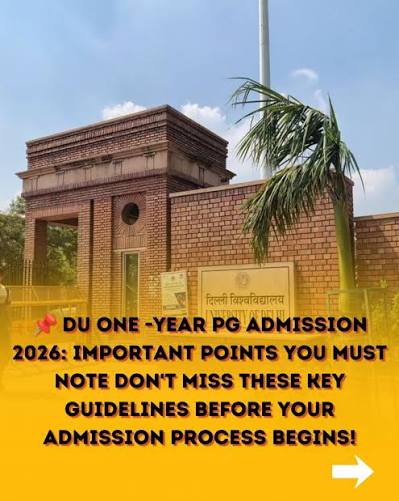
Delhi Universitys one-year Masters program registration opens in 2026.
The University of Delhi has started the registration process for its newly introduced one-year Master's programmes for the 2026-27 academic session. This marks the first time the university is offering one-year postgraduate courses under the provisions of the National Education Policy 2020 (NEP 2020), providing eligible students with a faster route to earning a postgraduate degree.The one-year Master's programmes are open only to students who have completed a four-year undergraduate degree under Delhi University's Undergraduate Curriculum Framework (UGCF) 2022 and have earned the required academic credits. Students who completed traditional three-year bachelor's programmes will continue to follow the existing two-year Master's route.Admissions are being conducted through the Common Seat Allocation System (CSAS) PG portal. Eligible candidates must register online, fill in their academic details, upload the required documents, and submit their programme preferences before the notified deadline. The university has advised applicants to complete the process early to avoid last-minute technical issues.Along with the new one-year postgraduate programmes, Delhi University has also opened admissions for its two-year M.Sc. in Plant Molecular Biology and Biotechnology. Admission to this programme is available for candidates who have qualified the GAT-B 2026 examination.The introduction of the one-year Master's degree is part of the broader implementation of NEP 2020, which seeks to make higher education more flexible and multidisciplinary. The initiative is expected to reduce the overall duration of higher studies for eligible graduates while maintaining academic standards and expanding research opportunities.
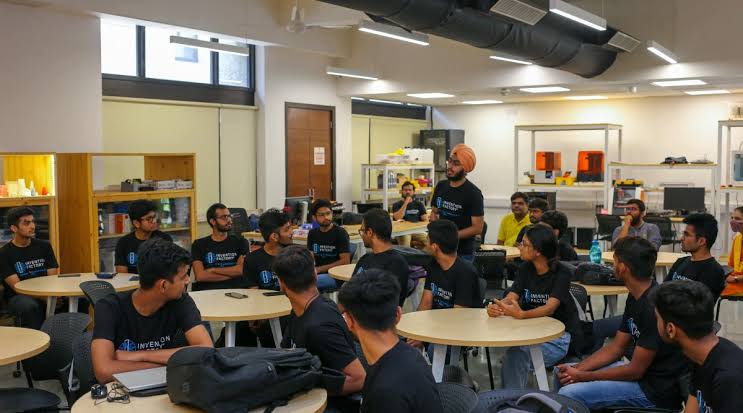
BTech students at IIT Gandhinagar are permitted to switch subjects for an entire semester in order to gain exposure to the industry.
In a major step towards making engineering education more practical and industry-oriented, Indian Institute of Technology Gandhinagar (IIT Gandhinagar) has introduced a new academic initiative that allows BTech students to spend an entire semester working in industries, research laboratories, startups, or academic institutions instead of attending regular classroom lectures. The programme aims to bridge the gap between academic learning and real-world professional experience.The new initiative is offered through a credit-bearing course called IN 498 – External Exposure. Under this programme, eligible seventh-semester BTech students can earn up to 16 academic credits, which will count towards their graduation requirements. This means students can gain valuable workplace experience without extending the duration of their degree or losing academic progress.Unlike conventional summer internships that usually last a few weeks, this programme enables students to work on long-term projects and become part of ongoing industrial or research activities. Participants can join leading companies, research and development laboratories, startups, incubation centres, or academic institutions, allowing them to develop technical expertise, teamwork, problem-solving abilities, and professional skills in a real working environment. According to IIT Gandhinagar, 18 students have already completed the programme by working with renowned organisations such as Qualcomm, Samsung R&D, Oracle, the California Institute of Technology, the Indian Institute of Science, Tower Research Capital, Solar Defence and Aerospace Limited, and startup HapiHygi Innovations. These experiences have helped students strengthen their practical knowledge while contributing to meaningful projects.The institute has also established a structured evaluation process to ensure academic quality. Students' performance is assessed through feedback from the host organisation along with periodic reviews conducted by their respective academic departments at IIT Gandhinagar. Institute officials believe this model will produce industry-ready graduates equipped with both strong theoretical knowledge and hands-on experience, preparing them for the evolving demands of the global technology sector.
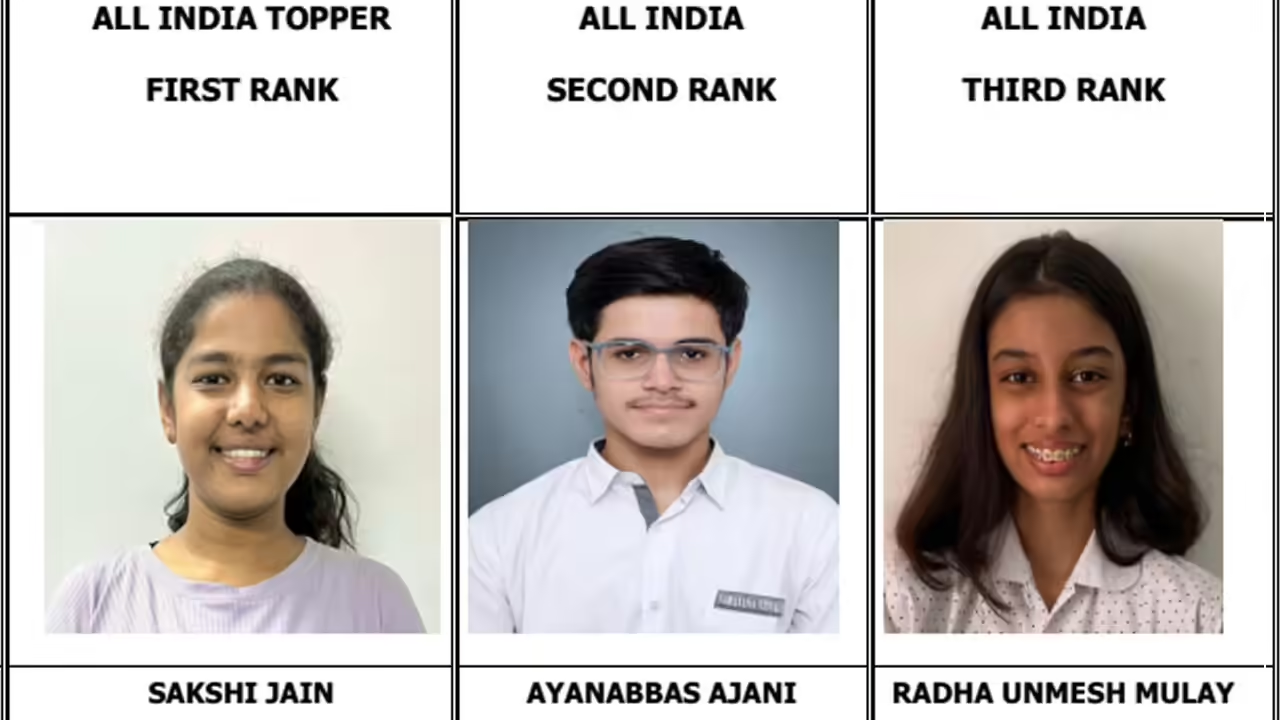
Sakshi Jain leads the ICAI CA Foundation May 2026 results with 92.75 Percent
The Institute of Chartered Accountants of India (ICAI) has declared the CA Foundation May 2026 examination results, bringing joy and relief to thousands of aspiring Chartered Accountants across the country. The results were announced on July 3, 2026, with Sakshi Jain from Nashik securing All India Rank (AIR) 1 by scoring an outstanding 371 out of 400 marks (92.75%), making her the national topper. Sakshi Jain's remarkable achievement reflects the dedication, discipline, and consistent preparation required to excel in one of India's most competitive professional examinations. Along with her, Ayanabbas Ajani from Chandrapur secured AIR 2 with 367 marks (91.75%), while Radha Unmesh Mulay from Pune claimed AIR 3 with 365 marks (91.25%). Notably, all three top rank holders are from Maharashtra, highlighting the state's strong academic performance this year. The overall performance statistics indicate the challenging nature of the CA Foundation examination. Around 90,217 candidates appeared for the May 2026 session, and 18,124 candidates successfully qualified, resulting in an overall pass percentage of 20.09%. These figures underline the rigorous standards maintained by ICAI and the significance of clearing the examination. For successful candidates, this milestone marks the beginning of their professional journey toward becoming Chartered Accountants. They are now eligible to register for the CA Intermediate course, where they will undergo more advanced studies in accounting, taxation, auditing, corporate law, and financial management. The Foundation examination serves as the first crucial step in India's prestigious CA qualification process.


