Lifestyle
Too much protein makes you dumb, according to Kangana Ranaut. The findings of science


By Kajal Sharma - 28 Jul 2026 06:10 PM
Kangana Ranaut's recent remarks about protein have sparked a fresh debate on social media and among health experts. In an Instagram post discussing rising health concerns, she suggested that consuming too much protein, especially through protein shakes, can make people "dumb" and linked excessive protein intake with modern lifestyle problems. Her statement quickly went viral, with many people questioning whether there is any scientific truth behind it. While her comments encouraged people to think about balanced eating habits and avoiding unnecessary supplements, nutrition experts say the claim that "too much protein makes you dumb" is not supported by scientific evidence. According to doctors and nutritionists, protein is one of the most important nutrients the human body needs. It helps build and repair muscles, supports the immune system, produces hormones, and keeps bones, skin, and organs healthy. Most healthy adults require a moderate amount of protein every day, and people who exercise regularly, older adults, or those recovering from illness may need slightly more. However, consuming protein far beyond the body's requirements does not improve brain function or physical performance. Instead, the extra protein is either used as energy or stored after being processed by the body.
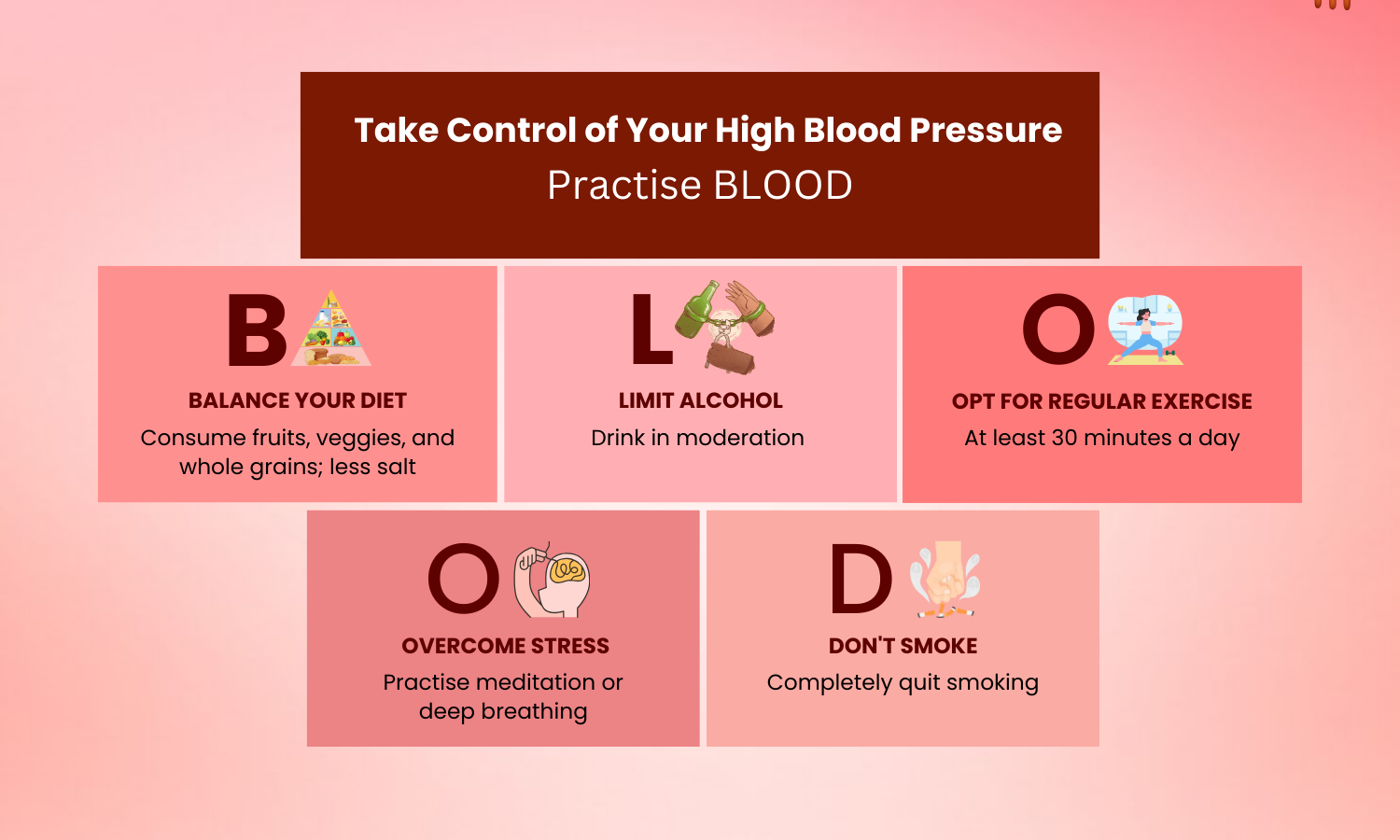
There is currently no scientific evidence showing that eating a high-protein diet directly affects intelligence, memory, or thinking ability in healthy individuals. Experts also explain that the real concern is not protein itself but the growing trend of consuming excessive protein supplements without medical or nutritional advice. Many people who already get enough protein from foods such as pulses, eggs, milk, fish, chicken, soy, and nuts often add multiple protein shakes every day because of fitness trends on social media. While this is generally unnecessary, it does not mean protein causes brain damage or reduces intelligence. In some cases, excessive protein intake may lead to digestive discomfort, dehydration, or place extra strain on people who already have kidney or liver disease. For healthy individuals, however, moderate protein consumption as part of a balanced diet is considered safe. Health specialists say the best approach is to focus on a balanced lifestyle rather than blaming a single nutrient. Eating a variety of fruits, vegetables, whole grains, healthy fats, and protein-rich foods, along with regular exercise, proper sleep, stress management, and adequate hydration, plays a much bigger role in maintaining both physical and mental health. The science is clear that protein is essential for the body, but like any nutrient, it should be consumed in the right amount based on an individual's age, body weight, activity level, and health condition. Instead of following viral claims, experts recommend consulting a qualified dietitian or healthcare professional before making major dietary changes
Similar News
View All