Lifestyle
Belly fat can be caused by a variety of factors beyond age 35. What matters is this.

By Kajal Sharma - 21 Jul 2026 09:51 PM
A new health report highlights that gaining belly fat after the age of 35 is not always caused by eating too much. Experts say that several changes happen in the body with age, making it easier for fat to collect around the waist. Hormonal changes, a slower metabolism, loss of muscle mass, poor sleep, stress, and a less active lifestyle all play an important role. While diet still matters, these age-related changes can make it harder to maintain a flat stomach than it was in the 20s or early 30s. One of the biggest reasons is the gradual loss of muscle, which naturally starts after the age of 30 and becomes more noticeable after 35. Since muscle burns more calories than fat, losing muscle slows the body's metabolism, meaning fewer calories are burned even while resting.
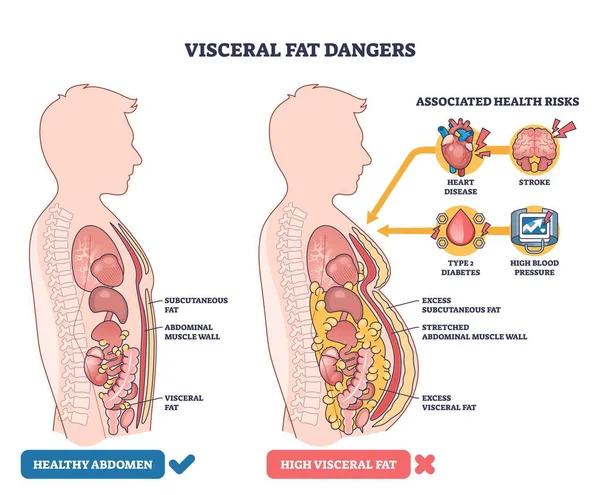
Hormonal changes also affect where fat is stored. In women, lower estrogen levels during perimenopause and menopause can lead to more fat around the abdomen. In men, lower testosterone levels may contribute to increased belly fat. Long-term stress raises cortisol, a hormone that is linked to the buildup of visceral fat—the fat that surrounds internal organs and increases the risk of serious health conditions. Experts say that focusing only on weight is not enough because belly fat, especially visceral fat, is more harmful than fat stored under the skin. Too much abdominal fat increases the risk of type 2 diabetes, heart disease, high blood pressure, fatty liver disease, stroke, and other metabolic problems. This is why doctors recommend measuring waist circumference along with body weight and BMI. Even people who appear slim can have unhealthy amounts of hidden belly fat, especially if they have a sedentary lifestyle or poor eating habits.
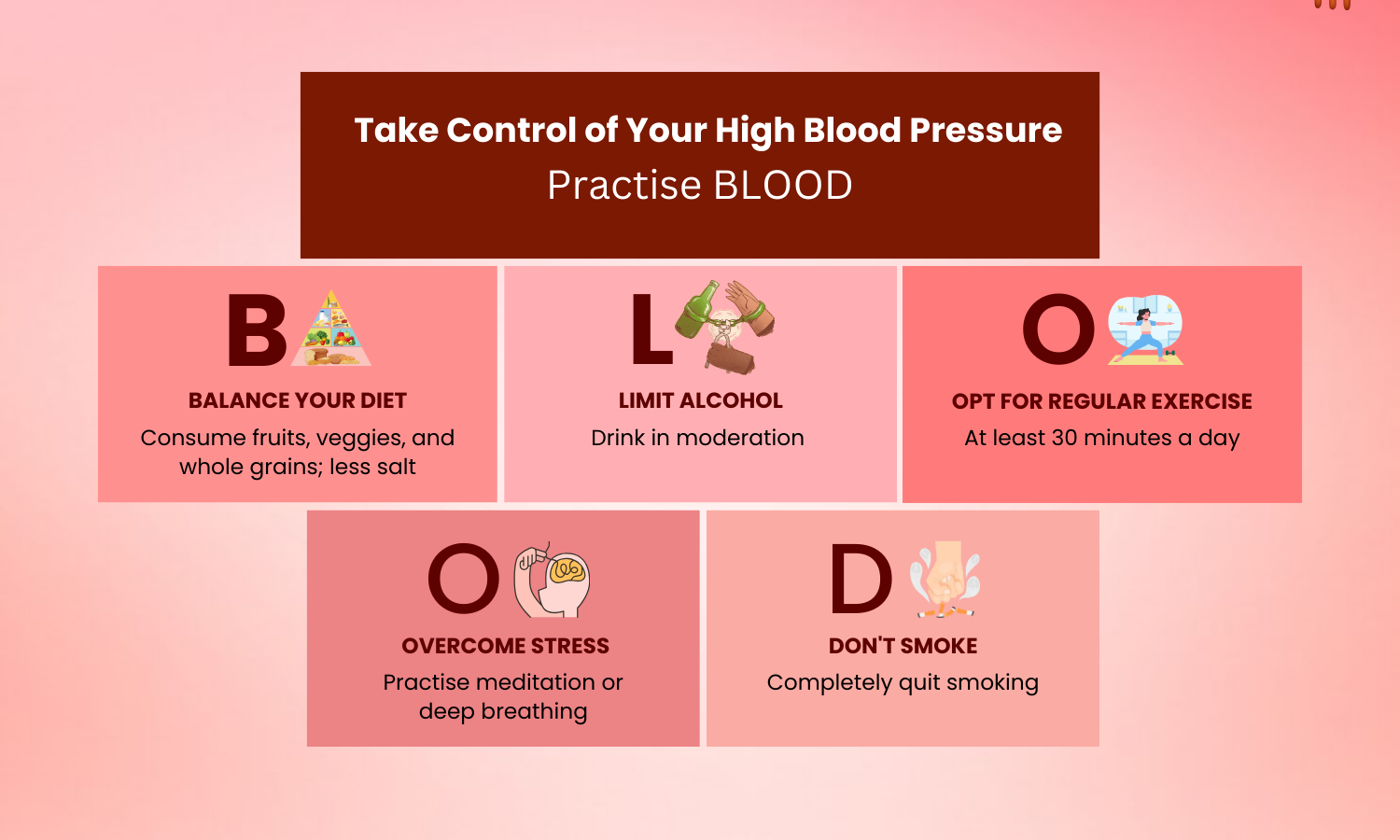
Health experts advise that the best way to reduce belly fat after 35 is through long-term lifestyle changes rather than quick diets or excessive exercise. A balanced diet rich in vegetables, fruits, whole grains, lean protein, and healthy fats should be combined with regular strength training to build muscle and boost metabolism. Walking, cycling, or other aerobic exercises, along with 7–9 hours of quality sleep and stress management through activities like yoga or meditation, can also help. Small, consistent healthy habits are more effective than crash diets, and regular health check-ups can help detect any underlying hormonal or metabolic issues that may be contributing to belly fat.
Similar News
View All