

Top Trending Health & Beauty News & Highlights


When you chew a piece of ginger every day for sixty days, your body experiences this.
Strong antioxidant and anti-inflammatory properties can be found in ginger. However, what would happen if a person chewed a piece of ginger every day for sixty days? When we asked Dr. Amreen Sheikh, chief nutritionist at KIMS Hospitals, Thane, about it, he replied that it increases circulation, relaxes the airways, and progressively lessens throat inflammation. Many patients report decreased bloating, improved digestion, and fewer coughs after six to eight weeks. Ginger can ease the inner lining of the airways and provide general lung comfort for people who are susceptible to seasonal respiratory symptoms, according to Sheikh.Yes, but with reasonable expectations, Sheikh argued. Unlike medication, ginger does not "open the lungs." Rather, it operates subtly. It can aid those who frequently experience irritation from pollutants, relieve moderate wheezing from cold weather, and clear congestion in the throat. Additionally, by loosening mucus, its warming impact facilitates its expulsion during an illness. Ginger can help with long-term lung conditions like COPD or asthma, but it should never take the place of prescription medication, Sheikh said.While using ginger on a daily basis is generally safe, Sheikh pointed out that excessive use can cause oral irritation, cause acidity in those who are sensitive, or slightly thin the blood. Before developing a habit, people who take blood thinners or have gastritis or acid reflux should speak with a doctor. A tiny portion is more than sufficient; moderation is crucial," Sheikh stated.
Published 23 Dec 2025 11:46 PM

Cough syrup deaths: TNFDA probe reveals Coldrif manufacturer's shortcomings
According to CDSCO sources, the investigation into the Kanchipuram-based Coldrif cough syrup producer, which was connected to child fatalities in Madhya Pradesh, has shown shortcomings in the Tamil Nadu Food and Drug Administration's enforcement of fundamental regulatory standards.They said that Sresan Pharma, which was granted a license by the Tamil Nadu Food and Drug Administration (TNFDA) in 2011, carried on operating undetected for more than ten years in spite of its inadequate infrastructure and many infractions of national drug safety regulations.According to the sources, a recent examination by the Central Drugs Standard Control Organization (CDSCO) revealed the unit's terrible conditions and complete disregard for Good Manufacturing Practices (GMP). "The CDSCO has not participated in any of Sresan Pharma's audits. This company was not included in any of the CDSCO databases since the CDSCO was not involved and the state FDA did not provide the CDSCO with any information on it, according to a source.Rule 84AB of the D and C Rules mandates that manufacturers update all of their certified items on the "Sugam" site, according to another source at the CDSCO.In order to facilitate improved monitoring, the regulation was notified to create a national database of all the authorized items in the nation. "The business failed to list its goods in the database. It did not follow this guideline as a result. According to the source, the state regulator is in charge of ensuring that the regulation is followed in the state.
Published 15 Oct 2025 04:59 PM

Why the most popular (and dubious) fad right now is North West's finger piercing
The Kardashian-Jenner family is known for starting trends, some of which are lighthearted, some of which are outrageous, and others of which are downright dubious. When Kim Kardashian and her 12-year-old daughter North West were spotted in Rome recently, everyone's attention was drawn to North's middle finger dermal piercing.Their excursion has generated a lot of controversy, with Kim facing backlash for permitting her preteen child receive the piercing. However, finger piercings have also gained popularity, and many people are now interested in learning more about them, their process, and their safety.A dermal piercing, also known as a micro dermal or single-point piercing, is a way to change your body where a piece of jewelry is inserted under the skin so that only the pretty top is visible, says Sahil Bali, an artist at Devil'z Tattooz in Delhi. Bali continues by explaining that dermal piercings are single-entry piercings, as opposed to conventional piercings, which enter one side of the skin and exit the other. "They are performed by using a needle or dermal punch to make a tiny pocket in the skin, after which an anchor base is inserted beneath the skin. After that, a decorative stud or gem is put onto the anchor," he explains, adding that these piercings may be done practically anywhere on the body, including the fingers, lower back, cheekbone, and chest, but they take longer to heal than conventional piercings."Dermal piercings need careful cleaning and protection, as they can get easily irritated or caught on things, making them slightly higher maintenance than normal piercings," says Dr. Shireen Furtado, senior consultant, medical and cosmetic dermatology, Aster CMI Hospital, Bengaluru.
Published 07 Oct 2025 09:43 PM

Can your hair texture change after postpartum?
Becoming a parent is among the most surreal experiences one can have. It seems as though your heart is bursting with love, but simultaneously, your body can feel more delicate and fatigued than it ever has after the ordeal of giving birth, even though you are amazed by the miracle it has just performed. With hormones fluctuating wildly and energy levels oscillating, you may discover that you are adapting to a new version of yourself on physical, mental, and emotional levels.In the midst of all these changes, your hair starts to narrate its own tale as well. Due to hormonal changes, many women notice significant hair loss in the months following childbirth. However, it often surprises people to learn that not only does the amount of hair change, but sometimes the texture does as well.Your hair may grow straighter if you have curls, or develop waves if it’s straight, and the texture of your locks can change in surprising ways, serving as a reminder that motherhood transforms more than just your routine—it transforms you.Many individuals observe that their hair becomes thicker, shinier, and fuller during pregnancy, resembling a natural glow-up. Dr. Ruben Bhasin Passi, a dermatology consultant at CK Birla Hospital in Gurugram, explains to India Today that this occurs because elevated estrogen levels prolong the hair growth phase, which stops normal shedding.This provides that additional volume and vitality. However, after the baby comes and hormone levels decrease, the narrative shifts. “When there’s a sudden decrease in hormone levels, the body adapts and hair experiences significant changes, which often surprises new mothers,” she adds. The doctor further explains that hair naturally cycles through phases of growth (anagen), rest (catagen), and shedding (telogen). During pregnancy, increased levels of estrogen keep more hair in the growth phase. After childbirth, when estrogen levels decrease, a number of these hairs enter the shedding phase simultaneously.
Published 06 Oct 2025 05:41 PM


Health & Beauty
HEALTH & BEAUTY


Max Healthcare acquires Nagpur-based Alexis Hospital for Rs 412 crore
"The acquisition of Alexis Hospital is in line with our vision to expand our footprint in tier-2 cities with abundance of clinical talent and developed private healthcare infrastructure," Max Healthcare Institute Chairman and Managing Director Abhay Soi said.The facility has potential to increase its bed capacity from 200 operational beds to 340 beds after necessary regulatory approvals.Max Healthcare Institute on Friday said it has acquired Nagpur-based Alexis Multi-Speciality Hospital Pvt Ltd for Rs 412 crore. The 200-bed hospital is set up on a land parcel of 2-acre at Mankapur, north of Nagpur.Alexis Hospital acquisition will strengthen company's presence in Maharashtra region, he added.Shares of Max Healthcare were trading at a loss of 0.42 per cent at Rs 866.4 apiece on the BSE.

Max Healthcare strengthens western presence by acquiring Alexis multi-specialty hospital
Max Healthcare Institute Ltd has acquired 100 per cent stake in Alexis Multi-Speciality Hospital Private Ltd (Alexis) for an enterprise value of ₹412 crore, strengthening its presence in the western region. The 200-bedded hospital, owned and operated by Alexis is a JCI-accredited facility located at Mankapur, North of Nagpur - an upmarket residential and commercial hub, a note from the hospital chain said. The bed capacity can be expanded to about 340 beds in view of the availability of the floor area ratio (FAR) for the given land and the strength of the existing structure, it added. Abhay Soi, Chairman and Managing Director, Max Healthcare said, “The acquisition of Alexis Hospital is in line with our vision to expand our footprint in tier-2 cities with abundance of clinical talent and developed private healthcare infrastructure. Alexis Hospital acquisition will strengthen our presence in Maharashtra region. With this addition, we now have 4 JCI-accredited facilities in our network and we look forward to bringing the high-end quality care to people of the region.”The hospital offers multidisciplinary care in gastroenterology, neurosurgery, cardiology, transplants and related diagnostic facilities, among others. It is also equipped with high end bio medical equipment like Varian True Beam LINAC, 128 Slice CT Scan, 3 Tesla MRI, Digital X Ray, ARTIS Q Cath Lab, etc, it added. Further, the hospital medical programme could be strengthened in surgical specialties like urology, oncology and neurosciences leading to improvement in average revenue per occupied bed (ARPOB) and occupied bed days (OBD), the note said. The current run rate of revenue and EBITDA for the hospital is ₹150 crore and ₹25 crore respectively, it added.Nagpur is a fast growing city with a population density of 47 lakh and high literacy rate, and is located in the heart of Maharashtra, it said. Further the city has availability of experienced medical talent owing to presence of government hospitals, medical colleges and private healthcare players, it added. Zanubia Shams, Co-Chairperson of Zulekha Healthcare Group (Promoter of Alexis Hospital, Nagpur), said, their decision to consider divesting this business was driven by their strategic focus on its healthcare businesses in the UAE and Gulf.
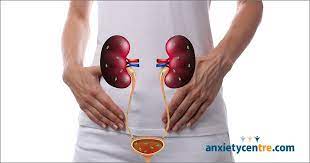
Why should you give in to the impulse to urinate?
Maintaining a healthy urinary tract and averting potential consequences requires regular and timely bladder emptying.If we often suppress our urge to urinate when driving or during a crucial meeting, we might not be doing our bodies any favors. According to experts, it's imperative that you let go because if you habitually interfere with your body's natural processes, it could lead to health problems.Think of your bladder like a balloon. It alerts your brain when it gets full of pee and needs to be emptied. If you choose to hold it in at this point, the bladder will continue to grow and press on its walls. It's similar to blowing up a balloon larger than is advised because someday it might burst. Although your bladder won't explode, it can still cause issues, according to Dr. Ashutosh Baghel, a kidney transplant surgeon, andrologist, and consultant urologist at Wockhardt Hospitals Mira Road.Dietitian Leema Mahajan posted on Instagram that it could potentially raise the risk of bladder dysfunction as well as an increased susceptibility to UTIs, or urinary tract infections.According to Dr. Shobha Gupta, medical director, gynecologist, and IVF specialist from Mother's Lap IVF Centre in New Delhi and Vrindavan, it might result in urinary tract infections (UTTIs) since prolonged bladder retention can serve as a haven for bacteria. "If left untreated, UTIs can result in pain, discomfort, and possibly more severe problems. Furthermore, over time, bladder dysfunction may result from repressing the urge to urinate, according to Dr. Gupta.The body's waste disposal mechanism is highly developed. "This natural process of the body being balanced out is upset when the urge to urinate is suppressed," stated Dr. Babina N. M., chief medical officer of Jindal Naturecure Institute.The bladder is a muscle, after all, and neglecting its signals to empty it on a regular basis might weaken those muscles and decrease the capacity of the bladder. "This may make it harder for you to regulate the release of pee, which can lead to problems like incontinence. In addition, if the urge to urinate is suppressed for an extended period of time, the bladder may become distended, which could be painful and harmful. Dr. Gupta stated, "In severe circumstances, it may even lead to a condition known as urine retention, where the bladder becomes unable to empty itself correctly.

Udyan Utsav-I Amrit Udyan at Rashtrapati Bhawan is currently open to the public through March 31.
The Rashtrapati Bhawan in New Delhi is hosting the Udyan Utsav-I, 2024, from February 1 to March 31, 2024. This is a wonderful time to take in the beauty and charm of the famous garden. Originally called Mughal Gardens, the Amrit Udyan is a beautifully maintained haven that provides a peaceful diversion from the bustle of the city and is a monument to India's rich past.These gardens were created by renowned architect Sir Edwin Lutyens, who drew influence from the traditional Mughal garden style. They feature beautifully designed geometric patterns and flowing watercourses that evoke a sense of timeless beauty. Amrit Udyan was inaugurated in 1919 and has since grown to become a symbol of Delhi's superior horticulture, attracting tourists from all over the world who come to admire its magnificence.The public can visit the famous garden from February 2 to March 31, 2024. A 225-year-old Sheesham tree, Bal Vatika, 42,000 Tulips of 18 varieties, floral clock, bonsai garden, musical fountains, central lawn, long garden, hanging gardens, Chhoti Narangi and Hanging Gardens, circular garden, vertical garden, tray garden, gardens in wheelbarrows, Zen garden, majestic banyans, and food court are just a few of the sights that await visitors. The experience of outdoor exploration will be further enhanced by the excellent weather in February and March.All visitors to Amrit Udyan are not charged admission, however in order to guarantee a spot, online registration is necessary. In addition, Self-Service Kiosks near Entry Gate No. 35 provide walk-in guests with entry passes, making it easy to enter this floral wonderland. Mondays are the only days that Amrit Udyan is closed. Additionally, shuttle bus services from the Central Secretariat Metro Station to Gate No. 35 will be offered. From 9.30 am to 5:00 pm, there will be a bus service available every 30 minutes.The following days, the Udyan will be open for special categories: February 22 for visually impaired and differently abled individuals; February 23 for defense, paramilitary, and police personnel; March 1 for women, tribal, and women's Self Help Groups (SHGs); and March 5 for orphanage children.Remember that visitors are permitted to bring in water bottles, baby milk bottles, purses, handbags, and cell phones.

Trans fats: what are they? Why are they so dangerous?
Five nations received the first-ever accreditation from the World Health Organization (WHO) for implementing policies to get rid of industrially manufactured trans fats, or iTFA. The food environment for 3.7 billion people, or 46% of the world's population, has significantly improved thanks to the implementation of best practice policies for addressing iTFA in food by 53 countries, up from 6% just five years ago. The World Health Organization said in a statement that these regulations are anticipated to save about 183 000 lives annually. Dr. Tedros Adhanom Ghebreyesus, the Director-General of WHO, stated that trans fat "has huge health risks but no known health benefit."The World Health Organization (WHO) said in 2018 that trans fats generated industrially would be removed from the world's food supply by 2023. The fact that so many nations have passed laws restricting or outlawing trans fat in food makes us extremely happy. However, enacting a policy is a different matter from just proposing it. I commend Saudi Arabia, Thailand, Denmark, Lithuania, Poland, and Lithuania for being at the forefront of the global monitoring and enforcement of trans fat legislation. We implore other nations to take note of their example.Trans fats are a kind of unsaturated fat that can be created artificially by the industrial process of hydrogenation, or they can exist naturally. Small levels of naturally occurring trans fats can be found in several animal products, including dairy and meat. But industrially generated trans fats—made when hydrogen is added to vegetable oils to increase their solidity at room temperature—are the main source of concern. Food items are now frequently used as an ingredient in processed and professionally baked goods since this technique extends their shelf life and stability.Trans fats have been linked to numerous health concerns, the most well-known of which being their detrimental effects on cardiovascular health. Trans fats have been demonstrated to concurrently decrease levels of high-density lipoprotein (HDL), or "good" cholesterol, and increase levels of low-density lipoprotein (LDL), or "bad" cholesterol. This negative change in cholesterol levels elevates the risk of heart attacks and strokes as well as coronary heart disease.Insulin resistance, a state in which the body's cells lose their sensitivity to the effects of insulin, has been linked to trans fats. An increased risk of type 2 diabetes and high blood sugar levels can result from this insulin resistance. Trans fats' pro-inflammatory properties also play a role in the insulin resistance that is seen in people who consume large amounts of these fats. When it comes to consuming trans fats, pregnant women should exercise extra caution. Research has indicated that consuming more trans fats while pregnant may raise the risk of problems like gestational diabetes and pre-eclampsia. Trans fats have also been linked to decreased birth weight and negative effects on embryonic development, according to research.There may be a connection between trans fat intake and cognitive decline, according to recent studies. An elevated risk of Alzheimer's disease and other types of dementia has been linked to a high trans fat diet. While the precise processes underlying this relationship are still being investigated, trans fats' impacts on inflammation and oxidative stress may play a role in brain impairment.Trans fats have a role in weight growth and obesity, however not as much as other health issues. According to certain research, a diet heavy in trans fats may increase the amount of fat deposited in the abdomen, which could exacerbate central obesity, a condition that is known to raise the risk of metabolic syndrome and cardiovascular disease.

Easy cardio exercises by Malaika Arora to get a flat, toned abdomen
Bollywood’s original yogini, Malaika Arora, also known as the chaiyya chaiyya girl, is renowned for her extreme levels of fitness. Her passion for fitness stems from the fact that she mixes easy-to-do cardio exercises into her regimen. Malaika uses skipping, a great aerobic workout that increases heart health, burns calories, and develops coordination, in her routine. Malaika customizes her exercise regimen to suit her tastes and degree of fitness, and she displays her fitness cards for public viewing every Monday.Her most recent Instagram post demonstrates how she works out cardio first thing in the morning to burn fat and maintain her toned, slender figure. Malaika, who was wearing a yellow short exercise outfit, exuded confidence and encouraged everyone to strive for better personal growth. She captioned her inspirational video, saying, "Always killing it, this one Starting the week off with some fun cardio and a dose of Casper's energy."Here are a few of the cardio workouts she usually incorporates before beginning her exercise program:A fantastic cardiovascular exercise that raises heart rate and improves cardiovascular system function is skipping. This generally strengthens the heart and increases stamina. Jumping rope offers a complete exercise and is an excellent way to burn calories. It helps burn calories quickly, which can help you lose weight and keep it off.Among other muscular areas, jumping jacks exercise the arms, shoulders, core, and legs. This is an intense, full-body workout that increases muscle tone and strength. Exercises like jumping jacks are simple and accessible because they don't call for any additional equipment.Mountain climbers burn calories throughout their ascents because they partake in strenuous physical activity, which aids in weight management and fat loss. The lower back, obliques, and abdominal muscles of mountain climbers are strengthened by their constant use of their core muscles. This enhances the stability and support of the spine and the core.Without any equipment, you can do Russian twists; alternatively, you can use a medicine ball or weight. They can therefore be used and are suitable for at-home training. Russian twists are an effective way to burn calories and get a flat stomach when included in a full workout program.Malaika's go-to workout is the in-and-out activity, sometimes known as jackknife sit-ups or V-ups. They are an effective abdominal exercise that strengthen the rectus abdominis and hip flexors. In-and-outs, like many abdominal exercises, aid in burning calories, which is beneficial for anyone attempting to reduce weight or improve their general physical condition.Pop squats are a great exercise to acquire a flat tummy like Malaika because they mix strength and aerobic elements, which burn calories. Pop squats work the complete body, not only the lower body but also the upper and core during the jumping and landing stages.

The Maldives is no longer the preferred island retreat for Indians.
In January 2024, there was a notable shift in the Maldives archipelago's tourism landscape. This change was indicated by a sharp drop in the number of Indian tourists, who had historically made up the largest traveler group in the nation.The current situation stems from a recent diplomatic dispute that was sparked by disparaging remarks made about Indian Prime Minister Narendra Modi by Maldivian ministers. The conflict started when Prime Minister Modi shared captivating photos from his early January visit to Lakshadweep, a Union Territory of India, showing off its natural beauty.Following the ministers of the Maldives' comments on social media, a social media storm developed, leading Indians to boycott Maldives travel in general and the Maldives in particular. The diplomatic impasse that resulted from the online debate was evident in the decline of Indian visitors to the Maldives. If information is to be believed, only 13,989 Indian tourists—or 8% of all visitors—visited the archipelago in January. With regard to countries sending tourists to the Maldives this month, India came in fifth. In January 2024, Russia accounted for 18,561 of the Maldives' foreign visitor count, making it the country's largest contributor. Closely trailing behind, Italy, China, and the UK took second, third, and fourth place, respectively.The Maldives has traditionally benefited greatly from tourism from India. For example, India held the second position in December 2023 with 161,751 tourists. Travel trends have obviously been impacted by the diplomatic spat, though, as there were fewer Indian visitors in January.Lakshadweep in India gained attention for its enthralling natural beauty and unrealized potential. Lakshadweep, blessed with immaculate beaches, colorful coral reefs, and a thriving marine ecosystem, provides a tranquil haven from the bustle of city life. Travelers are becoming more curious and interested in Lakshadweep as a result of Prime Minister Narendra Modi's recent distribution of stunning photos highlighting the archipelago's splendor.

Aim to double AUM to Rs 20,000 crore by FY27, says HomeFirst MD & CEO
HomeFirst Finance will likely borrow Rs 4,000 crore in 2024-25 (April-March) to grow its loan book, managing director and chief executive officer Manoj Viswanathan, has said. “We have already tied up our requirement for this financial year. We are in discussion with banks for the next year. Most of them are looking to extend lines of credit to us,” he said.Currently, banks loans comprise 56% of the company’s borrowing mix. Going ahead, the non-banking financial company is looking to increase borrowings from development finance institutions, with the Reserve Bank of India has been cautioning non-bank lenders against over-reliance on bank borrowings. “Overall, we feel that our liability profile is balanced. We should not be having any issues for the next few years,” he said. The company’s assets under management stood at around Rs 9,000 crore as on December 31. It expects the AUM to grow to Rs 20,000 crore in the next three years. Housing loans comprise 86% of the AUM. Loan against property and shop loans comprise the remaining 14%.Around 68% of the book comprises loans to the salaried customer segment and the rest is to the self-employed segment. Loan disbursals surpassed Rs 1,000 crore in the December quarter.Currently, around 6% of disbursals are done through the co-lending route. The NBFC has co-lending partnerships with Central Bank of India and Union Bank of India. By the end of 2024-25, around 10% of disbursals will be done through the co-lending route.The company remains focused on increasing its return on equity (RoE). The RoE is expected to improve due to a growth in the loan book and higher leverage. “We are focused on return on equity. As we leverage the book, the return on assets will decline in any case. But, RoEs are improving in spite of net interest margins being lower,” Viswanathan said. The return on equity rose 210 basis points year-on-year to 15.8% in the December quarter.

Star Health Insurance Q3 results: Net profit rises 37.5% to Rs 289.55 cr
The largest standalone health insurer, Star Health Insurance, posted a 37.5 per cent year-on-year (Y-o-Y) growth in net profit to Rs 289.55 crore during the third quarter of the financial year 2023-24, as compared to Rs 210.47 crore in the year-ago period, supported by healthy growth in premium and a fall in commissions expenditure.The net profit jumped by 131 per cent from Rs 125.30 crore in Q2 FY24.The new business premium of the company increased by 16 per cent (Y-o-Y) to Rs 3,605.81 crore from Rs 3,096.68 crore. The net investment income of the firm jumped 40.58 per cent to Rs 162.64 crore from the year ago.The net commission of the health insurer dropped 13.11 per cent (Y-o-Y) to Rs 349.85 crore from Rs 402.64 crore. The solvency ratio of the insurer rose to 223 per cent from 217 per cent. The minimum regulatory requirement is 150 per cent.The combined ratio, which is a measure of the profitability of the general insurer, increased to 97.30 per cent from 94.81 per cent in the year-ago period. A combined ratio of less than 100 is considered to be better; it indicates that the insurer is earning more through premiums as compared to claims paid and the operating expense incurred. Therefore, it is better for the company if the combined ratio is lower.The claims ratio of the company was 67.69 per cent, up from 63.75 per cent in Q2 FY24. The health insurance industry typically witnesses higher claims during the monsoon period due to rainy season-related diseases, whereas historically, insurance premium income is higher towards the end of the financial year considering the tax benefits available to policyholders.








Does bloating after meals get better with pickled ginger?
Pickled ginger should be used with caution because, in rare cases, it might cause unsettling feelings when consumed frequently, according to dietician Sarika Kumari of HCL Healthcare.Bloating is a common side effect of eating too quickly or consuming too much fiber at once. Although avoidance is always preferable, food expert Simrat Kathuria swears by the age-old home cure of pickled ginger to address bloating.Bloating is a common side effect of eating too quickly or consuming too much fiber at once. Although avoidance is always preferable, food expert Simrat Kathuria swears by the age-old home cure of pickled ginger to address bloating.Originally from Southeast Asia, ginger is a tropical flowering plant that is now planted worldwide. The Zingiberaceae family includes the ginger plant. Rhizome-containing root ginger. For thousands of years, we have been using it as a spice and medicinal tool. In addition to adding a distinct flavor to every cuisine, ginger is a superfood. Traditional medicine uses ginger extensively to treat burns, menstrual cramps, stomach problems, cold and flu symptoms, and muscular and joint discomfort. Red, yellow, or white ginger root pulp can be produced based on the type of plant cultivated. Fresh, dried, or powdered for use as a spice, it can be consumed. An important reason why ginger essential oil is used in so many products isadvantages for health The plant ginger is wonderful and offers a plethora of health advantages. Gingerol is one of the most important natural oils found in ginger. The majority of ginger's therapeutic benefits are attributed to it. Gingerol helps reduce oxidative stress caused by free radicals because of its potent anti-inflammatory and antioxidant properties. Additionally, it offers protection against a variety of malignancies, including liver, pancreatic, ovarian, and breast cancers. Because gingerol inhibits the growth of many germs in our system, it can reduce the likelihood of contracting an illness. Ginger relieves a variety of nausea symptoms, including nausea following surgery, nausea caused by chemotherapy, and morning sickness during pregnancy. Ginger increases the rate at which excess calories are burned and is highly beneficial for weight loss. Ginger

Top 5 popular tourist spots in India for foreign visitors on National Tourism Day 2024
India provides foreign visitors with a wealth of options to discover, educate themselves, and make lifelong memories. India has something for everyone, whether you're looking for a beach holiday, a spiritual trip, or a cultural adventure.In 2024, National Tourism Day serves as a reminder of the value of exploration and travel in our life. And what better way to commemorate this day than by taking in all of India's breathtaking beauty and diversity? Travelers of all stripes will find plenty to enjoy in India, from historic sites to tranquil beaches, vibrant cities to lush woods. We shall examine the top 5 tourist spots in India that are visited by visitors from outside the country in this post.Agra Without including Agra, the location of the stunning Taj Mahal, no list of well-known travel sites in India can be considered complete. This famous mausoleum made of ivory and white marble, recognized as a UNESCO World Heritage Site, represents unending love. The Mughal Emperor Shah Jahan erected the magnificent Taj Mahal in the 17th century as a tribute to his beloved wife Mumtaz Mahal. Millions of tourists visit the site each year, drawn by its breathtaking architecture. International travelers must visit Agra because, in addition to the Taj Mahal, it offers additional sights including the Agra Fort and Fatehpur Sikri.Jaipur The capital of Rajasthan, Jaipur, also referred to as the "Pink City," is well-known for its opulent palaces, lively bazaars, and rich cultural heritage. The magnificent Amer Fort, which highlights Rajasthan's rich history and architectural genius, is the city's most well-known attraction. Jantar Mantar, Hawa Mahal, and the City Palace are a few more well-liked sites. International travelers should make time to visit Jaipur because of its vibrant festivals, such as the Elephant Festival and the Jaipur Literature Festival, as well as its traditional Rajasthani food.Goa When it comes to being a well-liked travel destination in India, Goa needs no introduction. This lovely state, which is on India's western coast, is well-known for its breathtaking beaches, exciting nightlife, and architecture with Portuguese influences. Goa's beautiful beaches, including Baga, Calangute, and Anjuna, draw visitors from over the world who come to unwind, sunbathe, and participate in water sports. Along with its many historical sites, Goa is home to Fort Aguada and the Basilica of Bom Jesus. Not to mention the mouthwatering seafood and exciting nightlife that make Goa a popular tourist destination.Kerala Kerala, in the southern state, is known for its magnificent natural beauty, earning it the moniker "God's Own Country." Kerala provides a tranquil getaway from the hustle and bustle of the big metropolis thanks to its gorgeous hill stations, verdant forests, and tranquil backwaters. Among Kerala's most popular attractions are the hill station of Munnar and the Alleppey backwaters. The state's Ayurvedic therapies and traditional dance forms, including as Kathakali and Mohiniyattam, attract a lot of foreign visitors as well.Varanasi Situated on the banks of the sacred Ganges river, Varanasi—also referred to as the spiritual capital of India—is among the world's oldest continuously inhabited cities. Due to its rich cultural, religious, and traditional heritage, this city is a must-visit location for travelers from other countries looking for a spiritual awakening. One of the main attractions is the Ganges River ghats, where tourists may see daily ceremonies and rituals being carried out. Varanasi's historic temples and winding streets provide additional insight into the vibrant past and present of this city.

Serve delicious tricolor meals to add a festive touch to your celebrations.
Republic Day meal celebration not only exemplifies the variety of Indian food, but it also fosters national togetherness amidst its diversity. It serves as a reminder of India's rich cultural legacy and a source of pride for the country.Republic Day, observed on January 26, commemorates the day India's constitution went into force in 1950. It is a national holiday that is widely observed across the nation with considerable fervor and excitement. The celebration of food is one of the most important parts of this day. Indian homes prepare and share traditional dishes like biryani, kebabs, samosas, and sweets like gulab jamun and jalebi with their friends and neighbors. Here are two delectable tri-color recipes that Executive Chef Gaurav Malhotra of The Ashok has given to help you celebrate the day with excellent food.Spinach leaves should be cleaned, blanched, and finely chopped. In a frying pan with a little oil, finely cut the garlic. When the garlic starts to brown, add the finely chopped spinach leaves and sauté for two minutes. In a mixing bowl, grate in the remaining cottage cheese, khoya, cashew nuts, raisins, garam masala powder, salt, and pepper. Finally, stir in the chopped spinach. After spreading a little of this spinach mixture over a cottage cheese slice, carefully fold the sheets over. Continue with the remaining cottage cheese slices. Combine saffron, maize flour, and cream. One by one, dip the prepared rolls into this batter and set them aside on a dish. Put in the fridge for half an hour.Republic Day 2024: Prepare to savor a taste explosion reminiscent of the flag with these three original tricolor fusion snack dishes.We are brimming with excitement and patriotism as we prepare to celebrate Republic Day, which falls on January 26, which marks the adoption of the Indian Constitution. Adding the Indian flag's colors to your food is just one of the many ways you may celebrate this occasion. Republic Day can be honored creatively and with the joy of delectable food by making tricolor meals. It's also a wonderful chance to showcase the variety of Indian food and incorporate some festive elements. Our mouthwatering tricolor recipes will encourage you to embrace your

Superfood Tomato: Be Aware of THESE 5 Advantages of Tamari
Examine the unrealized possibilities of tomatoes outside of hamburger buns. Learn how these colorful marvels fight disease, protect skin, and advance health. Discover the methods to a happy, healthier you.Tightly a fruit, the tomato is a multipurpose vegetable that is native to South America and belongs to the nightshade family. This sunshine-hued wonder, full of vitamin C, potassium, folate, and vitamin K, is available in a rainbow of colors other than the traditional red, ranging from zesty orange to verdant green to regal purple. The variety doesn't end there, either! There is a tomato for every taste and recipe thanks to the diverse forms and flavors of tomato subspecies. But did you know that tomatoes have a host of health advantages that enhance general wellbeing in addition to their vivid color and flavor? Now let's explore the five amazing benefits of using tomatoes in your diet.Protector against cancer risks: Lycopene, the main ingredient in tomatoes, shows promise in lowering the chance of developing some cancers, especially prostate cancer. The high level of antioxidants in tomatoes protects cells from oxidative stress and may even stop the growth and spread of malignant cells. Including tomatoes in your diet could help you stave off certain cancers by being proactive. Strong antioxidant defense: Lycopene, a powerful antioxidant well-known for its capacity to counteract oxidative stress, is abundant in tomatoes, or tamatar. Lycopene helps maintain cellular health, lowers the risk of chronic diseases, and increases longevity by counteracting free radicals.The heart's dependable ally: Tomatoes are not only delicious but also very beneficial to cardiovascular health. The combination of potassium, vitamin C, and lycopene helps lower cholesterol, improve vascular function, and control blood pressure. Including tomatoes in your diet might be a tasty way to maintain heart health.Skin's best friend: Tomatoes contain the potent vitamins A and C, which are excellent for your skin. These vitamins improve the suppleness and texture of the skin by promoting the formation of collagen in conjunction with lycopene. Accept tomatoes as your all-natural skincare ally; they will shield your skin from the elements and help you achieve a more radiant complexion.Weight-loss warrior: The tomato is a dieter's paradise due to its high water content and low calorie count! It is a great supplement to any meal or snack because it gives you a full feeling without making you feel heavy. Furthermore, the fiber content prolongs feelings of fullness, stifling cravings and averting unhealthy eating.

Uncovering the Connection Between Alcohol Use and Bowel Cancer in 2024:
By increasing public awareness of the risk factors and symptoms of bowel cancer during Cancer Awareness Month in 2024, we can promote early identification and enhance the prognosis for people who are impacted by the illness.Bowel cancer, commonly referred to as colorectal cancer, is a kind of cancer that affects the rectum and the colon, the large intestine. It happens when aberrant cells in the colon or rectum grow out of control, creating a tumor. This tumor poses a serious risk to one's life because it has the ability to infect nearby tissues and spread to other sections of the body. Although the precise origin of bowel cancer is unknown, risk factors for the disease include age, family history, and certain lifestyle choices like smoking and a diet heavy in processed foods.We all know today that alcohol is bad for us; among the dangerous illnesses it causes is cancer, particularly colorectal cancer. When we inquired about the connection between alcohol consumption and bowel cancer, Dr. Vinay Samuel Gaikwad, Director of Surgical Oncology (The Oncology Centre), CK Birla Hospital, Gurugram, clarified that alcohol enters the intestinal tract and comes into direct contact with the mucosa lining the intestine, stomach, colon, and rectum. Alcohol decomposes into toxic compounds that can destroy your cells' DNA and expose them to mutations that can lead to cancer. Furthermore, drinking too much alcohol can lead to persistent inflammation in the digestive tract, which is another established risk factor for colon cancer.Alcohol's effects on hormones may also have a role in the development of cancer. Your odds can be increased by even modest alcohol consumption, and the risk increases with increased consumption.Although drinking alcohol increases your risk of colon cancer, not everyone who drinks will get colon cancer. But one of the most effective ways to lower your risk of developing this cancer is to take control of your health and cut back on alcohol.

MediBuddy vHealth: Pioneering Digital Healthcare Solutions for a Healthier Tomorrow
In the ever-evolving landscape of modern-day healthcare, where accessibility, convenience, and innovative solutions are paramount, digital healthcare platforms emerge as game-changers. These platforms bridge geographical gaps, providing accessible and convenient healthcare services through telemedicine, remote monitoring, and efficient data management. By leveraging technology, they enhance communication, streamline processes, and offer cost-effective solutions. Among the pioneers leading this charge is MediBuddy vHealth, a trailblazing digital healthcare organisation at the forefront of India’s healthcare revolution. As the country grapples with challenges in traditional healthcare, MediBuddy vHealth stands out for its commitment to providing accessible and convenient healthcare services through telemedicine, remote monitoring, and cutting-edge technology.As one of India’s leading digital healthcare organisations, MediBuddy vHealth provides preventive and primary quality care services to over 3.5 million active subscribers. These include unlimited doctor consultations, Specialists OPD consultations, preventive blood test packages, and deeply discounted medicine delivery, all conveniently brought to the member’s doorstep. Their integrated healthcare ecosystem combines in-house doctors’ expertise with a vast network of 3500+ partner healthcare centres, thus emphasising on clinical excellence through advanced technology. Operating under Indian Health Organization Pvt. Ltd., a wholly owned subsidiary of Medibuddy, India’s largest health-tech platform, MediBuddy vHealth is a market leader in the B2B2C segment having India’s finest NBFCs, MFIs, Banks, Insurance aggregators, Fintech companies and alike as distribution partners. MB vHealth is empowered by a dedicated team of 200 clinical and non-clinical staff, standing as a beacon of innovation in the digital healthcare landscape. Their vast partner network of healthcare providers is spread across 2000+ Indian cities, comprising of premium hospital chains & standalone clinics, prominent dental chains, top offline & online pharmacies and leading diagnostic labs, offering seamless access to quality healthcare services anytime, anywhere.Guided by a mission that integrates healthcare, science, AI, and human intervention, MediBuddy vHealth is committed to making high-quality healthcare accessible to a billion people and is driven by its 12 core values, known as MBB/MediBuddy Beliefs, shaping its decision-making and work approach.Established in 2017, MediBuddy vHealth (formerly vHealth by Aetna) has evolved as a subsidiary of MediBuddy, India’s largest Digital Healthcare platform. A pivotal moment in the company’s journey occurred in February 2023 with the acquisition of Indian Health Organization Private Limited by MediBuddy, thus starting the transition journey from ‘vHealth by Aetna’ to ‘MediBuddy vHealth’. Today, MediBuddy vHealth stands as a leading primary healthcare service provider in the B2B2C healthcare domain in India. The array of subscription-based primary healthcare services offered includes online teleconsultations with MediBuddy vHealth doctors, an expansive outpatient network, pharmacy services, diagnostics, and dental care. Ensuring quality care delivery, the clinical team takes complete ownership of the treatment process.Amidst the widespread healthcare landscape and a challenging doctor-patient ratio in India, digital healthcare emerges as a pivotal factor in addressing these issues, particularly in the aftermath of Covid.Globally recognised healthcare solutions emphasise the importance of ‘access to quality primary care,’ and MediBuddy vHealth aligns with this ethos. By ensuring that its doctors spend quality time with patients and employ evidence-based medicine for accurate diagnoses, the platform has pioneered accessible and affordable preventive healthcare services, reducing the need to visit a hospital by 70% (as per an independent research).

North Indias hard weather and fog causing havoc
Veteran BCCI administrator Ratnakar Shetty says the board need to follow the advice of the technical committee headed by Sunil Gavaskar from ten years ago and refrain from holding any First-Class matches in the northern region of the nation between December 15 and January 15.The current Ranji Trophy included two matches at Jammu's Hostel Ground. Due to low visibility, only 107.3 overs were bowled in eight days. On the first three days of the second round match between Delhi and Jammu & Kashmir, only two overs could be played.There are other parts of the country suffering from the visibility-impairing fog besides Jammu & Kashmir. There were just 42 potential overs in the Haryana vs Rajasthan first-round match at Lahli. Merely 159.3 overs were bowled in the first round encounter between Chandigarh and Railways at the Sector 16 Cricket Stadium in Chandigarh, while only 26 overs could be played in the third round match between Gujarat and Chandigarh.The Ranji Trophy has been interrupted by the winter fog in northern India once more, leaving coaches and players to wonder why the matches are being played in low visibility and frequently damp outfield conditions.There have been overs and even days without a ball being bowled in matches over the first several rounds of the Ranji season, including the current third round in Delhi, Meerut, Chandigarh, Jammu, Lahli, Kanpur, and Mullanpur. The BCCI has been unable to come up with a workable solution for this long-standing issue.Teams have once again provided the Indian board with a list of potential fixes in case the crucial points are missed before the schedule is finalized for the upcoming campaign. Sunil Joshi, the head coach of Uttar Pradesh and a former spinner for India, believes that home games for the respective teams should be played later in the tournament and that north India should be left off of the schedule during the dead of winter."Look, in big tournaments like the Ranji Trophy, teams suffer losses if the matches are not completed," Joshi stated to ESPNcricinfo. "My recommendation is that, in situations where there is a lot of fog (or smog, in certain cases), north Indian teams should play their home matches in February, when the fog usually clears off. You'll be able to observe how many games during the previous two rounds were impacted by poor visibility or fog."In the most recent round, three matches—Uttar Pradesh vs. Bihar in Meerut, Punjab vs. Tripura in Mohali, and Chandigarh vs. Gujarat in Chandigarh—saw not a single ball bowled on the opening day, and Services vs. Jharkhand in Delhi, at the Palam stadium near the airport, began more than an hour late. Similar to this, during the first two rounds, there were time losses in the following matches: Uttar Pradesh vs. Bengal in Kanpur; Railways vs. Punjab in Mullanpur; Jammu & Kashmir vs. Delhi in Jammu; Chandigarh vs. Railways in Chandigarh; Jammu & Kashmir vs. Himachal Pradesh in Jammu; and Services vs. Rajasthan in Delhi. Late arrivals also had an impact on matches in Patna and other eastern Indian cities.Two of these matches, J&K against Delhi and Haryana vs Rajasthan, resulted in no innings being finished. Evidently, there were points lost or not won, which will affect the teams' ability to advance to the following round. The Rajasthan coach, Anshu Jain, stated, "It would have been better if our matches in north India were held after January." In their debut match, played in Rohtak, Haryana, there were only 42 overs played. In their second match, they played 277.1 overs in Delhi against Services. This has already impacted two of our matches. Everyone is aware that fog exists in northern India during this season of the year. This would not have been an issue if we had been playing at our home field in Jaipur, where the players would have had more opportunities to spend time on the field rather than in the pavilion. "I'm not advocating that the Ranji Trophy begin in October. That time, it was really hot, so this will make Even though the weather is constantly changing, it's widely accepted that it clears up towards the end of January, which makes it simpler to finish 90 overs a day in north India. "The Ranji Trophy cannot be held earlier as the [T20] Syed Mushtaq Ali Trophy and [one-day] Vijay Hazare Trophy are now held earlier due to the IPL auctions," Rajat Paliwal, the captain of the Services, stated. "Yes, it is preferable if the matches take place in south or west India throughout the first three rounds. We lost every day by 15 to 20 overs in our most recent encounter. Jammu saw very few overs being played, while the Delhi match (Arun Jaitley Stadium) was also impacted." Since it's India's premier first-class tournament and winning the Ranji Trophy is still highly regarded despite the IPL and other events, the other teams' concerns are still genuine. Whether a solution exists or not, nobody enjoys losing points that could be earned through lawful means.

Devil Fruit" - Viral Video Of Giant Lemon Gets 25 Million Views, Leaves Internet "Frightened
Social media has allowed us to take sneak peeks into the kitchens of people in different parts of the world. We get glimpses at their preferred ingredients, utensils, cooking techniques and serving styles. In recent times, videos also show us how they grow the ingredients and harvest the natural produce. One of the latest reels taking Instagram by storm concerns a giant, bizarrely shaped lemon. It has received more than 25 million views so far and has sparked a range of reactions online. Content creator Maxine Sharf (@maxiskitchen) shows the camera what the giant lemon's insides look like as she cuts into it in her Instagram reel. Her own tree produced the unusual fruit. Online users are enthralled with the lemon's interior. It was "cooler" than the content creator had anticipated, according to her. Its intricate details set it apart from other ordinary fruit. Some say this lemon makes them feel scared and uneasy, and some even say it causes "trypophobia," which is the fear of specific hole patterns. For others, it's just aesthetically pleasing. Check out the popular video that's below:

Delhi-NCR stays in fog grip: Many trains, flights delayed, no respite till Jan 21
Dense to very dense fog and cold day to severe cold day conditions are likely to continue to prevail over North for the next 2 days (Jan 21) and then decrease in intensity.Fog update: Respite will have to wait for several parts of North India reeling under chilling cold wave conditions along with dense fog that has disrupted rail and air traffic for the past few weeks. Maximum temperatures have dropped below normal by 5-8 degrees Celsius since December. There was a brief respite on January 7 and 8, owing to a passing western disturbance but cold conditions returned from January 9. Dense to very dense fog and cold day to severe cold day conditions are likely to continue to prevail over North for the next 2 days (Jan 21) and then decrease in intensity. Cold wave and dense fog conditions are likely to prevail over Delhi, Punjab, Haryana, Chandigarh and Uttar Pradesh and Rajasthan and at isolated places over Himachal Pradesh, and Uttarakhand, according to the forecast by the India Meteorological Department (IMD)."Dense to very dense fog at a few places in Punjab, Haryana, Chandigarh, Delhi, Uttar Pradesh and Rajasthan and at isolated places over Himachal Pradesh, and Uttarakhand," the weather department said."Cold day to severe cold day conditions at a few places in Uttar Pradesh and Rajasthan and at isolated places in Himachal Pradesh, Uttarakhand, Punjab and Haryana. Cold wave to severe cold wave conditions at a few places in Punjab, Haryana, Chandigarh and at isolated places in Himanchal Pradesh. Ground frost at isolated places in Himachal Pradesh and Uttarakhand," it added. The early-morning foggy weather in Delhi and adjoining areas has significantly impacted road, rail, and air traffic over the past several days. On Friday, at least 22 trains from various parts of the country were running late, and several flight operations were delayed at Delhi's Indira Gandhi International (IGI) airport due to low visibility amid the fog.According to the weather department, minimum temperatures are in the range of 3-6 degrees Celsius over many parts of Punjab and some parts of Haryana-Chandigarh; in the range of 7-10 degrees Celsius over most parts of Delhi, Uttar Pradesh, Rajasthan, north Madhya Pradesh and Bihar.These are below normal by 1 degree to 3 degrees Celsius over many parts of Punjab, Haryana-Chandigarh-Delhi and West Uttar Pradesh and in isolated pockets of Rajasthan.