


Top Trending Finance & Stock Market News & Highlights


Ether retreats after momentarily touching the $3,000 mark, while Bitcoin drops from the $52,000 mark.
On Wednesday, February 21, there was a tiny 0.31 percent gain for Bitcoin. At the moment, Bitcoin is worth $51,977, or about Rs. 43 lakh. Market analysts claim that the resistance level for Bitcoin is currently at $53,000, or approximately Rs. 43.9 lakh; a breach of this level would signal a significant increase in the value of the asset. The price of Bitcoin has seen a significant increase of $400 (approximately Rs. 33,160) in the last day. Wednesday's market volatility was reflected in the cryptocurrency chart, where altcoins fluctuated between gains and losses. For the first time since April 2022, Ether crossed the $3,000 (about Rs. 2.48 lakh) threshold. But at that point, the asset was unable to maintain a significant advantage. Ether's current value, after a 2.05 percent loss, is $2,870, or approximately Rs. 2.3 lakh. "Bitcoin is indicating overbought conditions in the current market environment, which is causing investor caution regarding possible consolidation. Ethereum, on the other hand, is showing an ascending channel pattern, driven by continuous developments in its ecosystem and flirting with $3,000 (about Rs. 2.48 lakh). Deviating from their customary daily routines, investors are being cautious because of a recent buying frenzy amid bullish momentum suggested by moving averages, according to Rajagopal Menon, Vice President of WazirX, who spoke with Gadgets360. Market observers are currently more interested in watching Ether's trajectory than Bitcoin's. "Ethereum has a huge following. For most Web3 developers, it is the default option when it comes to compute networks. This translates to increased traffic volume and road upkeep. Therefore, an update to make the highway much smoother is being shipped by developers. They are also doing it without causing any traffic hiccups. They port the upgrade to the mainnet highway after testing it on the testnets, or service road. Dencun's planned mainnet launch in March "can be seen as an internal catalyst for a better Web3 future," according to CoinSwitch co-founder Ashish Singhal.
Published 22 Feb 2024 02:33 AM

India Accepts All Foreign Investment In The Space Industry
In an effort to facilitate business in the nation, the Indian government approved an amendment on Wednesday that permits 100% foreign direct investment (FDI) in the space sector. The government stated in a statement that the FDI policy reform will encourage growth in investment, income, and employment. The government stated in a statement that the FDI policy reform will encourage growth in investment, income, and employment.
Published 22 Feb 2024 01:45 AM

The Price of Bitcoin Exceeds $48,000
At the time of publishing, the price of the most popular cryptocurrency in the world, Bitcoin, was $48,101 (approximately Rs. 39.9 lakh), having seen a slight increase of 0.74 percent on Monday. The digital asset gained $1,826 in value over the course of the weekend (about Rs. 1.5 lakh). The next target, according to market analysts, would be $50,000 (about Rs. 41.5 lakh), which is a milestone that Bitcoin hasn't been able to reach since December 2021, if the price of the cryptocurrency rises above $48,970 (about Rs. 40 lakh). Ether's value fell by 0.55 percent on Monday as it was unable to keep up with Bitcoin's gains. At the moment, ether is worth $2,498 (about Rs. 2.07 lakh). Due to large net inflows into spot Bitcoin ETFs the week before, Bitcoin surged above $48,000 (about Rs. 39.8 lakh) over the weekend, hitting its highest level in 26 months. The CEO of Mudrex, Edul Patel, told Gadgets360 that Ethereum also reached its highest point since January 19 at $2,540, or roughly Rs. 2 lakh. It is currently consolidating around $2,500, or roughly Rs. 2.07 lakh, with resistance at $2,620, or roughly Rs. 2.17 lakh, and support at $2,440, or roughly Rs. 2.02 lakh.The majority of cryptocurrencies saw losses on Monday, including Ether. These comprise Avalanche, Dogecoin, Cardano, Ripple, and Binance Coin. On Monday, the values of other altcoins, including Uniswap, Shiba Inu, Litecoin, Bitcoin Cash, Solana, and Binance Coin, also decreased. In the past day, the value of the cryptocurrency industry as a whole fell by 0.76 percent. According to CoinMarketCap, the current value of the cryptocurrency market is $1.8 trillion, or approximately Rs. 1,49,40,576 crore. Ether's market share is currently 16.7%, while Bitcoin's dominance is currently 52.5 percent.This week, there will probably be a few notable token unlocks, such as the release of SAND from Sandbox worth over $96 million (about Rs. 796 crore), or roughly 9% of the total supply. We plan to do this on Valentine's Day. Additional unlocks include Aptos, which released more than 7% .
Published 13 Feb 2024 01:20 AM

Paytm Payments Bank Is Looking To Employ Outside Compliance
Four people with knowledge of the situation claim that Paytm Payments Bank Ltd. has sent out a request for proposals to outside auditors. According to the individuals cited above, who requested to remain anonymous, the bank only made this RFP available to outside auditors. As a result, it is not in the public domain.According to the three individuals mentioned above, the goal of this RFP is to audit the bank for compliance and the know-your-customer procedure.As stated by the first person quoted above, Paytm Payments Bank also hopes to demonstrate to the Reserve Bank of India that it is fully compliant by starting this audit. One97 Communications Ltd.'s associate company came under heavy fire from the RBI on January 31 for "persistent non-compliance" and serious "supervisory concerns." The regulator stated in its directives that Paytm Payments Bank will not be able to take new credit transactions, top-ups, or deposits into its accounts after February 29.
Published 10 Feb 2024 10:20 AM


Finance & Stock Market
Finance & Stock Market

For FY23, Unacademys revenue jumps 26% to Rs 907 crore while its loss cuts
The test-prep startup Unacademy reported that, despite constant layoffs at the company, its losses in FY23 decreased by 41% to Rs 1,678 crore. In FY23, employee-related expenses decreased by 28% to Rs 1,281 crore.The test-prep startup Unacademy reported that, despite constant layoffs at the company, its losses in FY23 decreased by 41% to Rs 1,678 crore. In FY23, employee-related expenses decreased by 28% to Rs 1,281 crore.In what was a difficult year for the startup environment, many modern businesses, like Myntra, ZestMoney, and Curefoods, reported stronger revenues for FY23, but their losses also increased.Revenue at Myntra rises to Rs 4,375 crore: The apparel retailer Myntra, which is owned by Flipkart, reported a 25% increase in operating revenue to Rs 4,375 crore in FY23, despite a 31% increase in losses to Rs 782 crore. The online fashion platform's largest expense, amounting to Rs 1,758 crore, was spent on advertising and promotional activities, representing a 35% increase over the previous year.Unacademy reduces losses to Rs 1,678 crore, or 41%: Unacademy, a startup providing test preparation, reported that its losses in FY23, which included several layoffs at the company, decreased by 41% to Rs 1,678 crore. The Bengaluru-based firm saw a 26% increase in sales to Rs 907 crore during the year, while costs associated with payroll decreased by 28% to Rs 1,281 crore.ZestMoney reports a loss of Rs 412 crore. ZestMoney, a troubled startup that has been searching for a buyer, declared a net loss of Rs 412.4 crore for the fiscal year 2023. On the other hand, while total expenses increased by 21% to Rs 662.2 crore, overall revenue for the buy-now-pay-later platform increased by 72% to Rs 250 crore.

SentinelOne, a US-based company, purchases PingSafe, a Bengaluru cybersecurity startup.
SentinelOne, an AI-powered cybersecurity startup based in the United States, said on Wednesday that it has reached an agreement to purchase Bengaluru-based PingSafe for an undisclosed sum.The Mountain View, California-based business said in a statement that it will buy PingSafe for a mix of cash and stock, and that the deal is anticipated to close in SentinelOne's first quarter of the 2025 fiscal year, contingent upon customary closing conditions and any necessary regulatory approvals.The Mountain View, California-based business said in a statement that it will buy PingSafe for a mix of cash and stock, and that the deal is anticipated to close in SentinelOne's first quarter of the 2025 fiscal year, contingent upon customary closing conditions and any necessary regulatory approvals.Bengaluru: The $100 million purchase of Bengaluru-based cloud security platform PingSafe by NYSE-listed SentinelOne is hailed as the greatest acquisition in the history of Indian cyber security startups. According to Barclays' report, the transaction is made up of both cash and stock.Companies won't have to deal with the complexity of multiple-point solutions, triage and analyze cases with insufficient context, or stream data between different data silos thanks to this new approach to cloud security. Rather, companies can manage their whole attack surface from a single platform that offers all the analytics, real-time interaction, and full context required to correlate, detect, and thwart multi-stage attacks in a straightforward manner—unlike old CNAPP and standalone solutions.

Following board approval, Fino Payments Bank requests an SFB licence from the RBI.
The Reserve Bank of India has received an application for a small finance bank (SFB) license from Fino Payments Bank, a division of Fino Paytech Limited (RBI). The RBI announced in a statement on Monday, January 8, that Fino Payments Bank had submitted an application in accordance with the SFBs' "Guidelines for on-tap licensing."The bank's board gave its approval in July 2023 to the application for an SFB license and instructed the creation of a committee to move forward with the evaluation of a reverse merger with Fino Paytech Limited, the bank's parent company. "Our SFB will be a Payments Bank++ model, different from existing players," stated Chief Financial Officer Ketan Merchant at the time. "In the first few years of operation, fee-based income will constitute 75% – 80% of the revenue."Fino's net worth is estimated to be over INR 600 Cr, but small financing banks currently need INR 200 Cr to meet their minimal capital requirements. On June 30, 2017, Fino Payments Bank commenced its business activities. Among its notable investors are Bharat Petroleum, ICICI Group, Blackstone, IFC, Intel, and LIC.
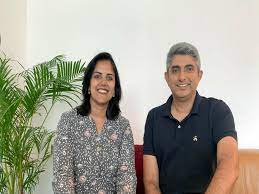
Fireside Ventures leads a 50 crore Series A fundraising round for mental health firm Amaha.
On Wednesday, Amaha, a company focused on mental health, announced that it has raised ₹50 crore in a Series A financing round led by Fireside Ventures. ₹15.6 crore more was contributed by other angel investors.Amaha, the former InnerHour, intends to expand and improve its mental health offerings with the help of this investment. Serving more than 600 Indian locations, the Mumbai-based organization provides a range of therapies and care programs for mental health issues like anxiety, depression, bipolar disorder, ADHD, OCD, schizophrenia, and addictions.The portfolio of Fireside Ventures, an investment firm that focuses mostly on consumer-focused startups, comprises businesses in the food and beverage, personal care, kids & education, lifestyle, and home products industries. It made investments in various wellness firms last year, including The Good Bug and Inito.A portion of the increased awareness and support for mental health and wellness in recent years has come from celebrities, including actors and cricket players, as well as from a number of organizations and social media platforms. Amaha was established in 2016 and offers digital services via an app that provides self-care tools and resources, in addition to operating physical centers in Delhi NCR, Bengaluru, and Mumbai. The founder and CEO of Amaha, Amit Malik, stated in an interview with Mint that "we're looking to go beyond digital at this stage because I think there is a lot of unmet need within the industry." Amaha has been aggressively investing in infrastructure, including physical clinics and technical advancements, despite growing losses in 2023 and maintaining a positiveAmaha obtained $5.2 million from Lightbox Ventures, a venture capital firm, in 2021. Additional angel investors that took part were Hitesh Oberoi, CEO & MD of Info Edge India Pvt. Ltd., Pankaj Sahni, CEO of Medanta-The Medicity Hospitals, and Capricorn Ventures & Micasa Investments (Singapore).

ETtech Deals Digest: This week, startup funding dropped 70% to $102 million.
In the second week of 2024, investments in startups fell by around 70% year over year to a total of $102.1 million across 26 different agreements, indicating that the funding crunch was not going away. According to data from Tracxn, companies in seed, early, and late stages raised around $288 million between January 6 and January 12, 2023.At roughly $49 million, or 48% of the total deal value, the early stage saw the largest amount of capital raised throughout the week. $35.2 million in late-stage finance, representing 35% of the total, came next.Funding increased sequentially in the most recent week, rising more than three times in volume and nearly three times in value terms. These cutting-edge businesses closed eight deals for $35.8 million last week.The latest numbers come after a busy spell of dealmaking in December, which came as a twist at the end of 2023 – one of the weakest years for venture capital activity in the country.The financial shortage persisted as evidenced by the fact that, in the second week of 2024, investments in startups plummeted by over 70% year over year to a total of $102.1 million across 26 separate agreements. Tracxn data indicates that between January 6 and January 12, 2023, companies in seed, early, and late stages raised approximately $288 million.In the second week of 2024, investments in startups fell by around 70% year over year to a total of $102.1 million across 26 different agreements, indicating that the funding crunch was not going away. According to data from Tracxn, companies in seed, early, and late stages raised over $288 million between January 6 and January 12, 2023.

Rupee ends lower under pressure from the stronger dollar and probable equity outflows.
Pressured by anticipated equity outflows and the U.S. dollar index rising to a more than one-month high due to moderating expectations for U.S. rate cuts, the Indian rupee ended lower on Wednesday.The rupee closed at 83.1375 against the dollar, down 0.08% from the previous session's close of 83.07.In Asia hours, the dollar index reached its highest point since mid-December, 103.58. With a decline of 0.91%, the Korean won led all Asian currencies in decline.Federal Reserve Governor Christopher Waller on Tuesday said that while the U.S. is “within striking distance” of the Fed’s 2% inflation goal, the central bank should not rush to cut benchmark interest rates.The comments prompted investors to pare bets on aggressive rate cuts.”A combination of weakish China data and a pushback” by European Central Bank and Fed officials against early easing is weighing on risk sentiment and supporting the dollar, ING Bank said in a note. In the meantime, data released on Wednesday indicates that China's economy grew marginally slower in the October–December quarter than anticipated. According to a foreign exchange trader at a private bank, pressure on the rupee on Wednesday came from dollar bids from foreign banks, probably acting on behalf of custodian clients.The blue-chip NSE Nifty 50 shed 2.09%, while the S&P BSE Sensex lost 2.23%. This is the highest percentage drop for both the indexes since June 2022.The rupee’s weakness is unlikely to “sustain a lot as the tilt or bias on the rupee remains positive”, Arnob Biswas, head of foreign exchange research at SMC Global Securities, said.Investors now await December U.S. retail sales data due later in the day, which is expected to show a month-on-month rise of 0.4%, up

Evolving Trends in Stock Market Regulations: Adapting to Algorithmic and Automated Trading in India
With the growing use of automated and algorithmic trading, the Indian stock market is going through a major transition. This technological evolution demands a corresponding shift in regulatory frameworks to maintain market integrity, fairness, and stability. High-frequency trading (HFT) and other forms of algorithmic trading have grown significantly in the Indian market. In order to profit from transient market movements, HFT, in particular, employs techniques like market making, momentum trading, and statistical arbitrage. While these technologies enhance market efficiency and liquidity, they also pose challenges such as potential market manipulation and a possible unfair advantage to large institutions over smaller investors. The Securities and Exchange Board of India (SEBI) has taken the initiative to regulate algorithmic trading in response to these issues. The main goal of the most recent regulations is to guarantee that exchanges have approved and certified all trading algorithms. This includes a thorough vetting process, and brokers are required to ensure proper security measures are in place to prevent unauthorized algorithmic activities. Additionally, SEBI has tightened short-selling norms to prevent market abuses like naked short-selling, mandating that all investors honor their securities delivery obligations. The Indian stock market is undergoing a significant transformation as a result of the uptake of cutting-edge trading technologies like algorithmic and high-frequency trading. A commitment to ensuring a dynamic, equitable, and resilient financial ecosystem is reflected in SEBI's evolving regulations. As these technologies continue to advance, the collaboration between regulators and market participants will be key to maintaining the integrity and efficiency of the Indian financial markets.

Offer for New Fund: Motilal Oswal The Motilal Oswal Large Cap Fund is launched by AMC; should you invest?
The "Motilal Oswal Large Cap Fund" is the newest investment product offered by Motilal Oswal Asset Management Company. The AMC claims that this open-ended equity scheme is purposefully created to give investors a special chance to capitalize on the large-cap segment's potential.Investment Objective: To achieve long-term capital appreciation by predominantly investing in equity and equity-related instruments of large-cap companies. Nevertheless, there can be no guarantee that the scheme's investment goal will be accomplished.

The U.S. economy will be impacted in 2024 and 2025 by "all these very powerful forces," according to Jamie Dimon.
Jamie Dimon, the CEO of JPMorgan Chase, stated that he is still cautious about the U.S. economy for the next two years due to a mix of geopolitical and financial risks. At the World Economic Forum in Davos, Switzerland, on Wednesday, Dimon told Andrew Ross Sorkin on CNBC, "You have all these very powerful forces that are going to be affecting us in '24 and '25.""I still wonder if we fully comprehend the mechanisms behind the quantitative tightening, the terrorist activity in Israel and the Red Sea, and the Ukraine," Dimon stated. The term "quantitative tightening" describes actions taken by the Federal Reserve to lower the size of its balance sheet and scale back earlier initiatives, such as bond-purchasing plans. Despite record profits at JPMorgan, the country's largest bank, and an unexpectedly strong U.S. economy, Dimon has urged caution over the past few years. Because of high employment rates and savings from the pandemic, the American consumer has largely remained healthy despite the damaging effects of inflation.n Dimon’s view, the relatively buoyant stock market of recent months has lulled investors on the potential risks ahead. The S&P 500 market index rose 19% in the past year and isn’t far from peak levels. “I think it’s a mistake to assume that everything’s hunky-dory,” Dimon said. “When stock markets are up, it’s kind of like this little drug we all feel like it’s just great. But remember, we’ve had so much fiscal monetary stimulation, so I’m a little more on the cautious side.


Interim Budget 2024 Expectations: Govt to target fiscal deficit at 5.3% of GDP for FY2025, says ICRA
ICRA expects the fiscal deficit target for FY2025 to be set at 5.3 per cent of GDP, midway through the expected print of 6.0 per cent for FY2024 and the medium-term target of sub-4.5 per cent by FY2026.With the the Union Finance Minister Nirmala Sitharaman all set to present the interim Budget for the fiscal year 2024-25 on February 1, 2024, an analysis by ICRA suggested that the government is likely to target fiscal deficit at 5.3 per cent of GDP for FY2025, entailing a reasonable degree of fiscal consolidation amid slower capex growth. The upcoming Budget will be an interim one and is said to have no major announcements as it is coinciding with the general elections year which is scheduled for this year. The full budget for the fiscal year 2024-25 will be presented after the formation of the new government following the general elections. The Budget is allotted for the upcoming fiscal year, which runs from 1st April to 31st March of the next year.However, the expansion in the Government of India’s (GoI’s) capex and the extent of fiscal consolidation would be scrutinised closely, given the implications for growth and G-sec yields, respectively. ICRA expects the fiscal deficit target for FY2025 to be set at 5.3 per cent of GDP, midway through the expected print of 6.0 per cent for FY2024 and the medium-term target of sub-4.5 per cent by FY2026. “This, along with our projection of an appreciable dip in the revenue deficit, would allow for a capex target of Rs 10.2 trillion for FY2025, 10 per cent higher than the expected level for FY2024 vis-à-vis the 20 per cent-plus YoY expansion seen during FY2021-FY2024. A higher capex target would impinge on the GoI’s ability to bridge half the required fiscal consolidation in FY2025, thereby making the task of reaching medium-term fiscal deficit target by FY2026 even more challenging,” ICRA said in a report. Given the favourable macroeconomic backdrop and expectations of the benign domestic environment sustaining in the next fiscal, per the analysis by ICRA, the GoI is expected to continue on the fiscal consolidation path in the Union Budget for FY2025. However, it added that this is likely to entail a slower expansion in capex vis-à-vis that seen in the post-Covid years, which could weigh on the growth in economic activity. Additionally, with the upcoming Budget set to be an interim one for the purpose of a vote-on-account, major policy changes and announcements are unlikely at this juncture, it said.“We expect the GoI’s gross tax revenues (GTR) to grow by a healthy 11 per cent in FY2025, led by direct taxes and GST collections, even as the growth in excise and customs duty collections is likely to be subdued,” it said. The disinvestment target is likely to be pegged at sub-Rs 500 billion for FY2025. Given the uncertainties involved in market transactions, it would be prudent to set a moderate target of sub-Rs 500 billion for FY2025, instead of a higher aim that may disrupt the budget math if there is a large shortfall in such receipts by the end of the fiscal, based on the past year trends. Furthermore, ICRA expects the revenue expenditure to increase by a modest ~4 per cent in FY2025, led by a moderate growth in interest payments amid a slight moderation in allocation for subsidies and a continued focus on curtailment of other expenses. It added, “We estimate the GoI to budget for a capex of Rs 10.2 trillion in FY2025, implying a relatively sedate YoY expansion of ~10 per cent, compared to over 20 per cent expansion seen in each of post-Covid years. The slowdown in capex growth is likely to have some bearing on economic activity and GDP growth.” As already mentioned above, ICRA expects the GoI to target a fiscal deficit of 5.3 per cent of GDP in FY2025, midway through the expected print of 6.0 per cent in FY2024 and the medium-term target of 4.5 per cent for FY2026.

Dense fog impacts flight operations at Delhi airport
The IGI airport experienced dense fog with visibility ranging between 50 and 100 metres from 12.30 am to 6.30 am, which improved and currently the visibility is 300 metres at 8 am today. Several flights were delayed at Delhi International Airport due to dense fog and low visibility. A few flights were also cancelled due to severe fog conditions in several parts of the country, Flight Information Display Board (FIDB) at Indira Gandhi International (IGI) Airport showed. The IGI airport experienced dense fog with visibility ranging between 50 and 100 metres from 12.30 am to 6.30 am, which improved and currently the visibility is 300 metres at 8 am today, India Meteorological Department (IMD) mentioned in a tweet while adding that Runway Visual Range (RVR) is between 600-1200 metres. According to the weather forecast agency, very dense fog is when visibility is between 0 and 50 metres, between 51 and 200 metres is dense, between 201 and 500 metres moderate, and between 501 and 1,000 metres shallow. Several flights were also delayed and a few were cancelled due to the prevailing fog. Arrived from Bahrain and my (connecting) flight is delayed by one hour,” a passenger at Delhi’s IGI airport said. People in Delhi woke up to a foggy Thursday morning with the minimum temperature settling at 6.6 degrees Celsius, one notch below the season’s average, the weather department said. The Financial Express logoThe Financial ExpressSign inInterim Budget 2024 Expectations: Govt to target fiscal deficit at 5.3% of GDP for FY2025, says ICRARam Mandir inauguration date draws closer: Find out the top stocks with Ayodhya connection to bet onThe regional Lala Land! From cinemas to TV, OTT, regional content catches the imagination of viewersWhere to invest for your child’s higher educationBusiness NewsBusinessAirlines AviationFlight Operations Hit! Dense Fog Delays Several Flights At Delhi Airport – Details InsideFlight operations hit! Dense fog delays several flights at Delhi Airport – Details insideThe IGI airport experienced dense fog with visibility ranging between 50 and 100 metres from 12.30 am to 6.30 am, which improved and currently the visibility is 300 metres at 8 am today. The IGI airport experienced dense fog with visibility ranging between 50 and 100 metres from 12.30 am to 6.30 am, which improved and currently the visibility is 300 metres at 8 am today, India Meteorological Department (IMD) mentioned in a tweet while adding that Runway Visual Range (RVR) is between 600-1200 metres.Planned model of Rajmata Vijayaraje Scindia Airport in Gwalior (Image/@MoCA_GoI)Gwalior soars higher! Jyotiraditya Scindia boosts regional connectivity with new flights to 3 cities including Ayodhyapenalties for IndiGo and MIAL; Air India, SpiceJet finedMumbai Airport tarmac incident leads to rare high penalties for IndiGo and MIAL; Air India, SpiceJet fined Rs 30 lakh each – Here’s what happenedHindustan 228 aircraft HALHAL to unveil Hindustan-228 aircraft, upgraded Dhruv helicopter at Wings India 2024Air India Express Gwalior to Bengaluru direct flightAir India Express expands footprint: Daily direct flight from Gwalior to Bengaluru takes offAccording to the weather forecast agency, very dense fog is when visibility is between 0 and 50 metres, between 51 and 200 metres is dense, between 201 and 500 metres moderate, and between 501 and 1,000 metres shallow. Several flights were also delayed and a few were cancelled due to the prevailing fog.“I arrived from Bahrain and my (connecting) flight is delayed by one hour,” a passenger at Delhi’s IGI airport said.Dense fog prevails in parts of the country People in Delhi woke up to a foggy Thursday morning with the minimum temperature settling at 6.6 degrees Celsius, one notch below the season’s average, the weather department said.The Indian Meteorological Department has issued a yellow alert for moderate to dense fog at isolated places in the city for the next two days.According to an official release by the IMD, ‘very dense fog’ was observed in isolated parts of Punjab, Haryana, West Rajasthan and Bihar at 5.30 am on Thursday.Similar heavy fog was also reported in isolated parts of Delhi, West Uttar Pradesh, Jharkhand, Odisha and Assam while moderate fog was observed in isolated parts of Sub-Himalayan West Bengal and Sikkim, as per IMD.
HUL Q3 preview: Price cuts may hit topline, weak festive demand to limit volumes
FMCG leader Hindustan Unilever Ltd (HUL) is expected to report flat sales and volume growth in the December quarter of the current financial year with price cuts hitting the topline and a weak pick-up in festival demand impacting volumes. HUL’s EBITDA margin is expected to increase 77 basis points to 24.1 percent. Brokerages expect a 470 basis points YoY increase in gross margins as input costs like palm oil, tea, and coffee declined.EBITDA is short for earnings before interest, tax depreciation and amortisation. One basis points is one-hundredth of a percentage point.Volumes have remained weak for the lifebuoy and Dove manufacturer since the September quarter of the previous financial year, ranging from 2-5 percent. Volume growth has been slow due to a weak pick-up in rural demand even as small and regional players eat into its market share.The company's home-care category is expected to report a modest 0.5 percent growth in sales YoY due to price cuts in the laundry portfolio, Kotak Institutional Equities said in its Q3FY24 results update.The personal care and food and refreshments category is estimated to grow 3.5 percent and 3 percent YoY, respectively, BNP Paribas said. FMCG leader Hindustan Unilever Ltd (HUL) is expected to report flat sales and volume growth in the December quarter of the current financial year with price cuts hitting the topline and a weak pick-up in festival demand impacting volumes.HUL’s EBITDA margin is expected to increase 77 basis points to 24.1 percent. Brokerages expect a 470 basis points YoY increase in gross margins as input costs like palm oil, tea, and coffee declined.EBITDA is short for earnings before interest, tax depreciation and amortisation. One basis points is one-hundredth of a percentage point.Volumes have remained weak for the lifebuoy and Dove manufacturer since the September quarter of the previous financial year, ranging from 2-5 percent. Volume growth has been slow due to a weak pick-up in rural demand even as small and regional players eat into its market share.The company's home-care category is expected to report a modest 0.5 percent growth in sales YoY due to price cuts in the laundry portfolio, Kotak Institutional Equities said in its Q3FY24 results update. The price of palm oil, an essential raw material for the FMCG sector, fell fallen 10 percent YoY and 3 percent QoQ in the December quarter, Kotak Institutional Equities said. Palm Oil is used in making soaps, shampoos, biscuits, and other products.In its last earnings call, HUL said it was facing competition from local players in the tea and laundry categories. Tea prices have fallen further, which may lead to increased competition, analysts say. In a situation of easing inflation, small players start entering the market and gain market share from big and listed players.Advertising and promotional spends for the FMCG company is estimated to be around 10 percent of Q3FY24 sales, BNP Paribas said.

HDFC Bank tremors rock banking stocks, Nifty Bank plunges 4%
Banking stocks saw heavy selling on January 17, as all 12 Nifty Bank index names traded with cuts in the afternoon after negative commentary on heavyweight HDFC Bank's below-par December numbers weighed heavy on sentiment for the sector. HDFC Bank, which takes up over 29 percent of weightage in Nifty Bank, plunged nearly 7 percent, putting pressure on the sectoral index, which was down nearly 4 percent. The weakness also rubbed off on other lenders, pulling them down by up to 4 percent. Other index heavyweights, IndusInd Bank, ICICI Bank, Kotak Mahindra Bank, SBI and Axis Bank, which have a cumulative weightage of nearly 49 percent in Nifty Bank, lost 2-4 percent. HDFC's Q3 net profit came largely in-line with Moneycontrol's estimates but there was a twist. Brokerage firm Jefferies noted that the net profit was lifted with a lower tax expense in the third quarter. Brokerage firm Citi also issued a cautious outlook for private lenders, as it lowered FY25/26 net interest margin estimates for Kotak Mahindra Bank, HDFC Bank, Axis Bank, Federal Bank and ICICI Bank.The firm said that quarterly business updates reflected further loan-to-deposit expansion and loan-to-credit contraction, which points towards further downside to net interest margin.The brokerage downgraded state-lender SBI to “sell” and lowering its price target for the stock by over 14 percent to Rs 600. Citi also initiated a 90-day negative catalyst on SBI. It also downgraded Federal Bank to “neutral” and reduced the target price by 20.5 percent to Rs 135.Manish Gunwani, fund manager at Bandhan AMC, warned against being overweight on private banks, saying the segment doesn't offer great risk-reward at the current juncture. Banking stocks saw heavy selling on January 17, as all 12 Nifty Bank index names settled with sharp cuts after negative commentary on heavyweight HDFC Bank's below-par December numbers weighed heavy on sentiment for the sector. HDFC Bank, which takes up over 29 percent of weightage in Nifty Bank, dived over 8 percent, putting pressure on the sectoral index, which was down 4.3 percent. The weakness also rubbed off on other lenders, pulling them down by up to 4 percent.HDFC's Q3 net profit came largely in-line with Moneycontrol's estimates but there was a twist. Brokerage firm Jefferies noted that the net profit was lifted with a lower tax expense in the third quarter.Other index heavyweights, IndusInd Bank, ICICI Bank, Kotak Mahindra Bank, SBI and Axis Bank, which have a cumulative weightage of nearly 49 percent in Nifty Bank, lost 2-4 percent.

Ram temple tourism: Hospitality, travel industries create up to 20,000 jobs in Ayodhya
A surge in tourist inflows has already increased demand for accommodation and travel, “leading to a significant upswing in Ayodhya’s hospitality sector, with a particular focus on the establishment of adequate infrastructure to host travellers”, he said. “At least 10,000 jobs and up to about 20,000 positions were created in various roles related to hospitality, travel and tourism – including hotel staff, cooks, servers, drivers, etc. in the last six months,” said Balasubramanian A, vice president and head - consumer & ecommerce at TeamLease. According to several officials in the hospitality sector, thousands of jobs in areas such as hospitality managers, restaurant and hotel staff, logistics managers, drivers, etc are likely to open up towards the end of this year or the first half of 2025 – not just in Ayodhya but in neighbouring cities like Lucknow, Kanpur, Gorakhpur, etc - with hotel companies and restaurant owners keeping a close eye on how the demand-supply situation pans out.“In the next three-four months, we should get a clearer picture of the everyday traffic at the temple and the demand for manpower to cater to the devotees,” an industry executive said on condition of anonymity. According to estimates, Tirupati Balaji Temple, which is among the world’s richest temples and remains crowded all year round, attracts an average 50,000 daily devotees in a steady state and the number goes up to 100,000 on festival days or holidays.According to various estimates, the Ram Temple in Ayodhya is likely to see traffic of between 300,000 to 700,000 people in the first week post inauguration.However, most of these jobs are temporary in nature and the count may go up or down, depending on how the demand pans out and the number of devotees that visit the temple, industry experts said. Typically, a hotel from construction stage to getting operational takes about 3-4 years, said Nandivardhan Jain, chief executive of Noesis Capital Advisors. Typically, a hotel from construction stage to getting operational takes about 3-4 years, said Nandivardhan Jain, chief executive of Noesis Capital Advisors. However, in the case of Ayodhya, various permissions could be fast-tracked and, so, the demand for manpower is expected to pour in within the next 18 to 24 months, he added.Hotel companies are watching how the demand-supply situation pans out. Currently Ayodhya is short in supply with only two big, branded hotels – Park Inn by Radisson and Cygnet.

Budget 2024: A pressing issue that may not wait till full budget
The fiscal deficit target of 5.3% will be set by the government in FY25, keeping in view the fiscal consolidation path till FY26, as it normalises capital spending and refrains from any major announcements in the interim budget before the general elections, Icra and Barclays economists have said. ICRA expects the fiscal deficit target for FY25 to be set at 5.3% of GDP, midway through the expected print of 6.0% for FY2024 and the medium-term target of sub-4.5% by FY26. India's Fast Moving Consumer Goods (FMCG) sector, which has 34% of its market in rural areas, is a good indicator of rural economic health. It is facing challenges in rural areas due to sluggish demand. The deficiency in rainfall in key agricultural states has disrupted the revival of rural demand seen in the first two quarters of the financial year. President of All India Consumer Products Distributors Federation, Dhairyashil Patil, has told TOI that FMCG sales in rural areas are 20-30% lower than usual. Demand for daily household products and groceries continued to be challenging in villages during October-December quarter, potentially hurting volume growth of the overall consumer goods sector. Godrej Consumer Products said demand trends in the fast-moving consumer sector during the third quarter were like the earlier quarter, while Marico said urban markets stayed steady but rural markets offered little cheer."High rural unemployment, along with demand for NREGS, reflects rural stress. El Nino derailed the initial green shoots seen at the start of FY24. Increased aggression of smaller players and alternative avenues of spending such as higher spends on education, medical, telecom charges, are leading to softer growth in the FMCG sector," Abneesh Roy, executive director at Nuvama Institutional Equities, has said. Consumer goods companies and analysts say demand for daily groceries and personal and home products in villages continued to trail urban growth in the December quarter but expect a steady recovery across markets on improving macro indicators, positive consumer sentiment and, importantly, increase in government spending in the election year.Another marker of rural distress is stiff demand for work under the Mahatma Gandhi National Rural Employment Guarantee Scheme. The budgetary outlay of Rs 60,000 crore for the shceme for fiscal 2024 was exhausted by November itself. The government subsequently provided Rs 10,000 crore in urgent assistance to meet demand.The FMCG companies have high hopes from election-year spending that will spur rural consumption. "During an election year, governments often extends benefits which are provided as part of various schemes, offer sops, helping rural households," said Akshay D'souza, chief of growth and insights at retail intelligence platform Bizom.
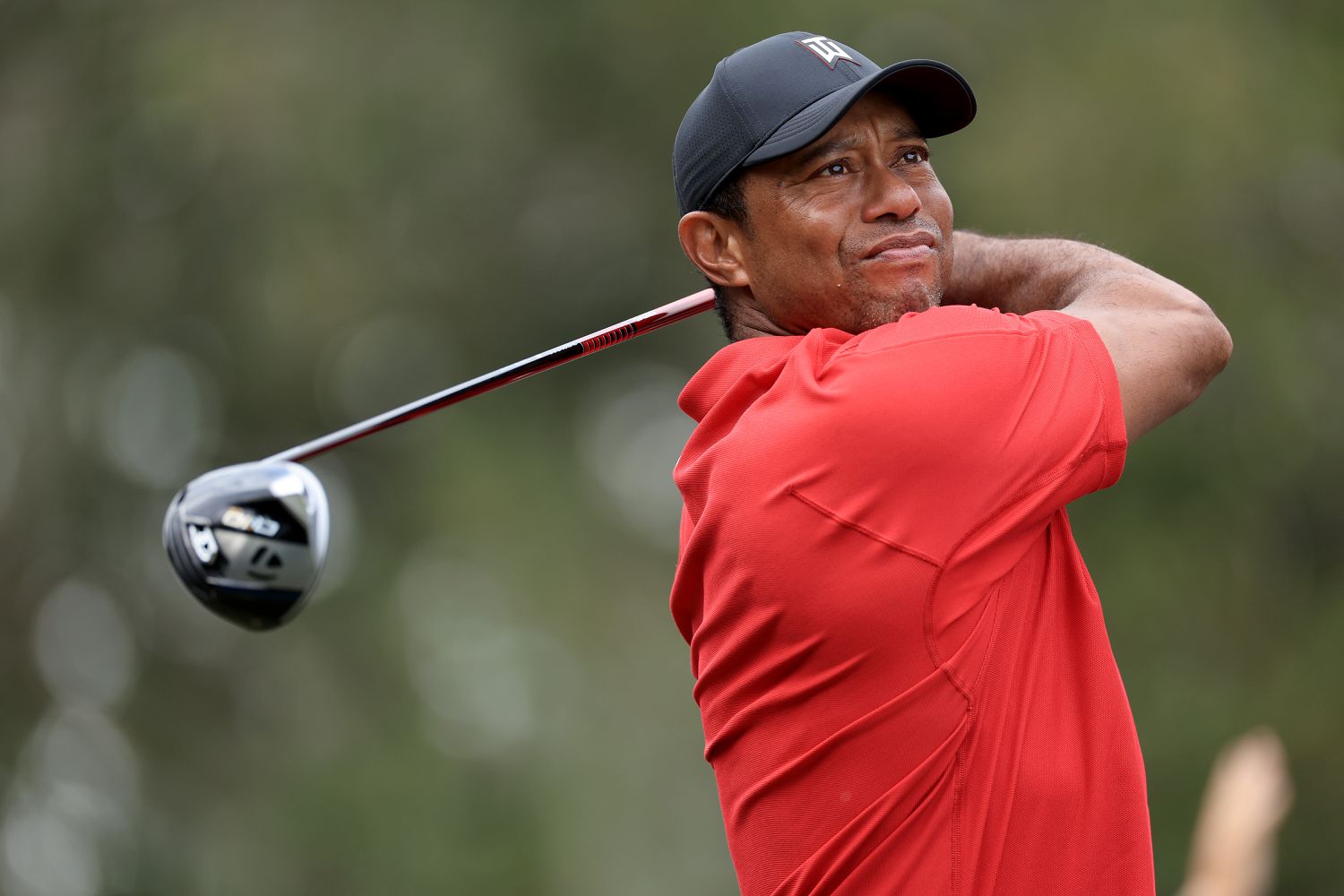
Tiger Woods Net Worth and Businesses—PGA, Nike, Gatorade, and a Mini Golf Chain
Golf legend Tiger Woods may have parted ways with Nike after 27 years, but he has made millions from his career as a pro golfer and lucrative endorsement deals with other major brands including Gatorade, Rolex, and Monster Energy. Considered one of the best golfers of all time, Woods is one of the few billionaire athletes in the world—and is only the second active athlete who is a billionaire, behind NBA star LeBron James. Woods has a net worth of $1.1 billion as of January 2024, according to Forbes.1 Here's how Tiger Woods built his fortune. In his 27-year career as a professional golfer, Woods accumulated 106 worldwide wins and 15 majors. He has 82 PGA Tour wins, tied with golfer Sam Snead for the most PGA Tour wins in history.Throughout his career as a pro golfer, Woods has earned about $1.8 billion, according to an estimate by Forbes.1 Woods has also earned a record-setting $121 million in prize money from PGA tours.3 PGA Tour. "Career Earnings."However, Woods' impressive earnings from golf are not the only way he amassed his wealth—in fact, they account for less than 10% of his net worth, according to Forbes. The rest of his fortune comes from major endorsement deals and a series of business ventures.Woods' 27-year partnership with Nike certainly contributed to his massive fortune as the sporting company was his biggest backer. Woods' deal with Nike was said to be worth about $500 million throughout the life of the contract. That's not the only major partnership Woods had, though. The golfer had a lucrative tie-up with sports drink company, Gatorade, which paid him an estimated $100 million over several years. However, the company ended its partnership with Woods in 2010 after news of several extramarital affairs surfaced. AT&T and technology consulting company Accenture were also among the brands that ended their partnerships with Woods at the time. Woods partnered with energy drink company, Monster Energy, in 2016 and has continued his endorsement deal with them. The pro golfer has been seen playing out of a Monster-branded golf bag and has also represented the brand's other drink, Monster Hydro Super Sport since 2022.Several of Woods' businesses have to do with golf—he owns a golf course design firm, TGR Design, golf simulator tool Full Swing, as well as an indoor mini golf chain, Popstroke. Popstroke has nine locations across Florida, Arizona, and Texas and anticipates opening an additional 15 sites in 2024 and 2025.Woods is also a shareholder in global real estate development company Nexus Luxury Collection, along with singer Justin Timberlake. In October 2023, the company announced that Woods and Timberlake will be opening a sports and entertainment gastropub in St. Andrews, Scotland, through Nexus. The premium venue includes dining and lounge areas, and Woods' own Full Swing golf simulators.Woods is no stranger to real estate and has bought and sold multiple million-dollar properties. His home on Jupiter Island costs an estimated $54 million.

New Worker Classification Rule Could Disrupt the US Gig Economy
Uber drivers and other gig economy workers could be legally classified as employees under a new Department of Labor rule that goes into effect in March. The new rule already faces at least one lawsuit, filed by freelance writers who want to remain "independent contractors" rather than employees. Employees are entitled to overtime pay, minimum wage, and other benefits not available to contractors.While people who work as contractors value the flexibility, employment law experts say there's no reason employers couldn't offer flexible hours alongside employee status and the benefits that go along with it. App-based ride-sharing services such as Uber (UBER) and Lyft (LYFT) earned the title of “disruptors” for the way they drove traditional cab companies out of business. Now, they’re trying to fend off the disruption that could be coming for them, in the form of a new federal labor rule. A new regulation on worker classification released this month is already facing at least one legal challenge, and will likely see more pushback from gig economy companies whose business model it threatens. The new law could turn the gig economy upside down, and affect many of the estimated 22.1 million Americans who work as independent contractors, employment experts say. Earlier this month, the Department of Labor released details on a rule setting standards on when a worker counts as an employee as opposed to an independent contractor, entitling them to overtime pay, unemployment insurance, and a slew of other benefits under the law. The new rule, first proposed in 2022, is set to go into effect in March.This week, a group of freelancers, including three New Jersey-based writers, sued the Department of Labor to overturn the new rule. At least one major business lobbying group is also considering legal action. Should the government give “employee” status to workers currently classified as contractors, it would threaten the business models of companies such as Uber, Lyft, and Doordash (DASH), whose contract workers cost their employers much less than traditional employees would.Uber and the Flex Association—a trade group representing gig economy companies—both released statements last week saying that the rule would have no immediate impact on their businesses. “This rule does not materially change the law under which we operate, and will not impact the classification of the over one million Americans who turn to Uber to earn money flexibly,” Uber’s statement reads.
Price cuts mar HUL’s Q3 show, posts flat revenue and profit growth
Consumer goods major Hindustan Unilever posted a flat 0.5% growth in net profit to ₹2,519 crore in the December quarter from ₹2,505 crore in the corresponding quarter last year. Its volumes grew at 2% year on year in the quarter ending December. Its sales growth was flat, registering a marginal decline of 0.3% to ₹14,928 crore due to price cuts taken by the company. “Looking forward we expect gradual recovery in market demand to continue aided by increased government spending, recovery in winter crop sowing and better crop realization. Rural income growths and winter crop yields are key factors that will determine the pace of recovery,” said Rohit Jawa, CEO and MD of HUL. The company also expects competitive intensity to stay due to benign commodity prices. Going ahead, the company expects price growth to be marginally negative if commodity prices remain where they are.“HUL remains well positioned to unlock this opportunity whilst navigating the short-term challenges,” Jawa added. Its earnings before interest tax depreciation and amortization (EBIDTA) expanded by 10 basis points year on year to 23.7% in Q3. The FMCG major gets three-fourths of its business from home care and BPC business. Both these businesses saw mid-single digit growth in volumes. The company’s sales were affected due pricing action. Its home care’s revenues fell by 1%, with the BPC segment posting no change. “Skin cleansing revenue declined due to the impact of price reductions taken to pass on the benefits of lower commodity costs to consumers. Market development actions in body wash continue to yield good results. While delayed winter impacted skin care performance in the quarter, premium non-winter portfolios continued to do well,” said HUL in its press release.Food and refreshment business however saw a low-to single digit fall in volumes, as this segmental revenues went up by 1%. The company said that tea further strengthened value and volume market leadership, with green tea and flavoured tea performing well“Coffee grew in double-digits driven by pricing. Health Food Drinks delivered competitive modest price-led growth driven by Plus range,” HUL said.During the quarter, it launched Knorr Korean K-Pot noodles; and Bru Gold in Vanilla, Caramel and Hazelnut flavours.

Retail Retail’s net profit jumps 32% to ₹3,165 crore on festive fervour
Reliance Retail’s third quarter net profit grew 31.9% growth to ₹3,165 crore from ₹2,400 crore in the same quarter last year. Its revenue from operations also registered a 23.8% growth to ₹74,373 crore in the festive quarter, aided by aggressive store expansions. The Isha Ambani-led company added 252 stores during the quarter. On a YoY basis, its store count is higher by 1,549 to a total of 18,774 stores as of December 2023 end. “Reliance Retail has delivered strong performance during the festive quarter. Our business success is intricately woven into the larger fabric of India's economic growth, and together, we are shaping a compelling story of innovation and world class possibilities for the future,” said Isha M Ambani, executive director of Reliance Retail Ventures.Its footfalls grew by a robust 40.3%. Its digital and new commerce businesses now contribute to 19% of its revenue. “The retail segment has delivered an impressive financial performance with its rapidly expanding physical as well as digital footprint,” said Mukesh D Ambani, chairman and managing director, Reliance Industries.All its business segments exhibited double digit growth in the December quarter. Its mainstay grocery business grew by 41%. “Stores witnessed strong growth in non-food categories led by general merchandise & home and personal care. Catalogue expansion across home, cookware, furnishings and travel needs have enabled consumers in extending their shopping mission at Smart Bazaar as a one stop destination,” the company said.Its nascent consumer brands business also grew 3x aided by distribution reach. The company which re-launched Campa line of soft drinks said that its beverage, general merchandise and stapes are driving growth momentum of its own brands. It had also launched its staples business under the brand name Independence.It also launched new namkeens and sweets under Masti Oye! Brand, along with Deluxe assorted toffees under Toffeeman. The festival and wedding season also drove business in its fashion and lifestyle segments with good performance from its jewels business. “Tira is expanding its store network across top tier cities and has received strong customer traction. The business has delivered strong performance across various operating metrics including sales productivity, average bill value, repeats,” the company said.

2024 will be a perilous year for the world economy as geopolitical tensions ramp up, top economists warn
The year 2024 will likely be a stormy one for the global economy as growth slows and geopolitical tensions ramp up around the world, according to a World Economic Forum survey. The foundation polled over 60 chief economists ahead of its annual meeting, which is taking place in the Swiss ski resort town of Davos this week. More than half the respondents said the world economy will get weaker this year, and 70% predicted looser financial conditions – implying that they believe central banks, including the US Federal Reserve, will start lowering interest rates at some point in 2024. Over 80% of the economists surveyed by the WEF expect geopolitical tensions to drive up stock-market volatility and economic uncertainty, while around three-quarters of those polled said they're expecting artificial intelligence to boost innovation in advanced economies this year. "Amid accelerating divergence, the resilience of the global economy will continue to be tested in the year ahead," WEF managing director Saadia Zahidi said. "Though global inflation is easing, growth is stalling, financial conditions remain tight, global tensions are deepening and inequalities are rising." Wall Street executives have been fretting about heightened geopolitical volatility since war broke out in the Middle East in October, although those worries didn't stop stocks from charging higher over the final two months of 2023. Despite their gloomy outlooks, the Chicago Board Options Exchange's VIX index – a widely-followed Wall Street "fear gauge" – is trading close to its lowest level since before the pandemic, suggesting that traders aren't so worried.

India emerges strong amid global economic challenges, feels Citis Tyler Dickson
Tyler Dickson, head of investment banking at Citi feels that India stands out as a shining star in Asia in the midst of global macroeconomic challenges, The Economic Times reported. Dickson expressed bullish sentiments about India's mergers and acquisition (M&A) segment and equity market activities, during an interview with the paper.Questioned about his thoughts on how well India has fared amid the global macroeconomic challenges compared to other emerging markets in Asia, Dickson noted that the country is currently the fifth-largest economy globally and is poised to climb to the third position. The enthusiasm of Indian business leaders, coupled with the 'China plus one' strategy, makes India an attractive market for global investors, he said. Citi sees it as one of the best opportunities for both Indian and international clients, it reported. On the environment regarding M&As and tighter global liquidity conditions, Dickson felt that India's M&A market remains robust at around $85 billion despite global challenges. While the debt capital markets (DCM) face challenges due to fluctuating rates, Citi maintains a positive long-term perspective on the M&A landscape in India, he added. In terms of deal activity he feels that higher interest rates globally indicate slower economic growth and necessitate adjustments in deal activity. He however noted that stability in the cost of capital is crucial, and that as the market recalibrates, confidence will increase. The focus on quality in earnings, cash flow, and growth becomes more significant in a higher interest rate environment, he added. Further, Dickson also expressed a long-term bullish outlook on technology, considering it a fundamental driver of growth, the report said. While acknowledging the challenges faced during the "technology winter," Citi is cautiously optimistic about increased activity levels for technology companies in M&A, ECM, and DCM in 2024, he added. Acknowledging that there is a "financing wall in the 2025-2026 era", characterized by the need to refinance debt at higher costs, Dickson said Citi emphasises that this debt is not super expensive. The bank sees an opportunity for the global market to adjust to this reality, considering historical periods with more expensive debt, it said.


