


Top Trending Auto & Transportation News & Highlights
No News Founds!



Auto & Transportation
Automobile is the biggest industry worldwide generating millions of job opportunities for different level of skills and same goes with transportations.

Uber comes up with its Flexible Pricing Service
Uber, a well-known ride-hailing company, is now testing its flexible pricing service, which lets commuters bid a specific fee for their route, in a number of Tier 2 and Tier 3 towns in India.A representative for Uber stated in a statement, "We are currently piloting this feature in some of the tier 2 and 3 markets in India.Additionally, Uber Flex is being tested in Latin America, Kenya, and Lebanon. In contrast to Uber's conventional pricing structure, Flex lets users choose from nine pricing points and bid any amount they like, with a default price already chosen.Drivers in the vicinity can then accept or decline the ride based on the fare that the passenger has chosen.In a similar vein, drivers can quote their charges to the user. The ride is finalized once they select the driver whose offer most appeals to them. Currently, users of inDrive, another ride-hailing app, can manually enter a certain fare. In Drive announced its intention to use the $150 million it raised in February of last year to assist its ongoing growth as well as customer acquisition and retention. Uber is working on a new feature called "Uber Flex" that would let Indian customers select the fare that suits them best. The function, which is presently undergoing testing in a number of Indian locations, is anticipated to allay worries about rising ticket prices. The Uber Flex function was first tested in October of last year, according to a TechCrunch article. The Uber Flex feature was tested in several Indian cities, including Aurangabad, Ajmer, Bareilly, Chandigarh, Coimbatore, Dehradun, Gwalior, Indore, Jodhpur, and Surat. Uber informed the publication, "We are currently piloting this feature in some of the Tier 2 and 3 markets in India."
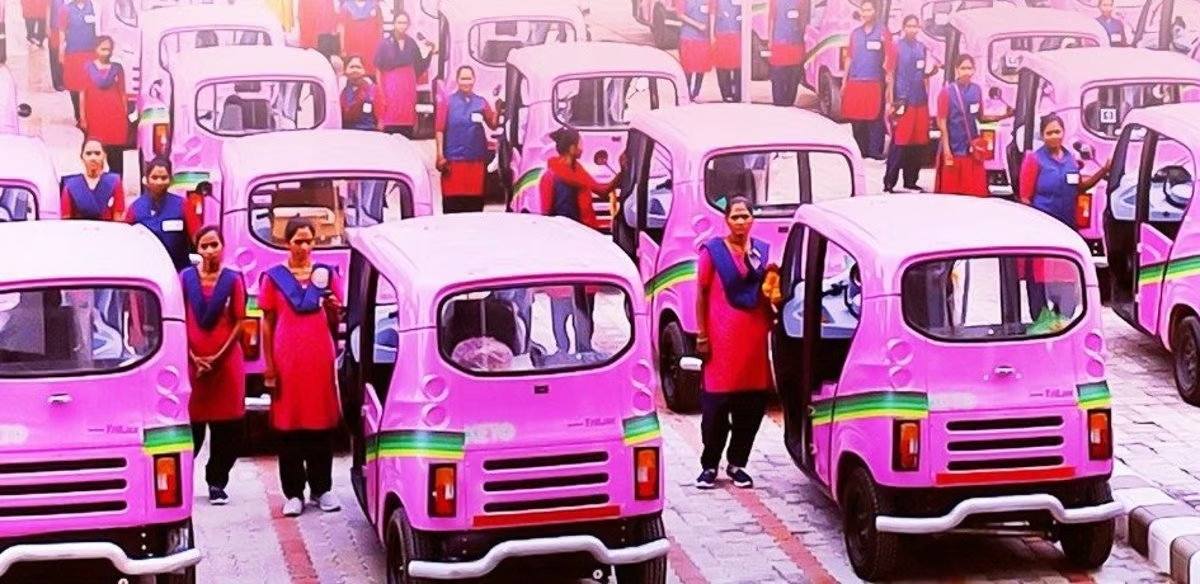
Maharashtra Pink E-Rickshaw Scheme for Women to Launch Soon
Maharashtra Pink E-Rickshaw Scheme:- The Maharashtra government is about to launch a revolutionary program i.e., Maharashtra Pink E-Rickshaw Scheme to support women’s employment and safety. To address environmental concerns, the plan calls for the deployment of e-autos and the introduction of Pink Rickshaws in 10 major cities, including Mumbai city, Mumbai suburb, Thane, Panvel, Nagpur, Navi Mumbai, Pune, Pimpri-Chinchwad, Chatrapati Sambhaji Nagar, and Nashik. Read below to check the detailed information related to Maharashtra Pink E-Rickshaw Scheme 2024.Maharashtra Pink E-Rickshaw Scheme, 2024 Maharashtra Pink E-Rickshaw Scheme, led by women, will soon be available in ten Maharashtra cities, including Mumbai, Navi Mumbai, Thane, Pune, and Nagpur. The Women and Child Department presented a strategy to Deputy Chief Minister and Finance Minister Ajit Pawar.Dr. Prashant Narnaware, the commissioner of the Department of Women and Child Development, has proposed 5,000 pink rickshaws for the program's first year. Under this scheme, the government would subsidize unemployed women by 20% so they can buy rickshaws; they will pay 10% of the entire cost, with bank loans covering the other 70%.Goa, Lucknow, and Surat have already seen the introduction of similar e-rickshaws. Although the idea of women operating rickshaws is not new, the government has already created the Aboli Rickshaw program exclusively for women, with no financial support. Bank loans covered 85% of the vehicle's cost, requiring applicants to pay only 15% of the entire cost. Nonetheless, the Aboli Rickshaw program was unsuccessful, and aboli rickshaws are rare in Maharashtra today.
According to Tata Motors, industry EV sales growth in India is expected to moderate to 40–45%.
"EV growth was starting from a very low base two years ago. It grew by almost 100% in the previous year, but the base is now expanding. By the end of this financial year, it will be around 90,000 to 1 lakh. On thishigh base, I think the growth (industry) would moderate to about 40% to 45%," Chandra said. Delhi, New: According to a top company official on Wednesday, Tata Motors anticipates that the industry sales growth of electric vehicles in India will moderate to 40–45% this year as the base grows. Four more EV models will be released this year, according to Tata Motors Passenger Electric Mobility Ltd Managing Director Shailesh Chandra, whose company launched Punch.evon on Wednesday.
Discovery Sport 2024 is priced at Rs 67.90 lakh by JLR India.
The Discovery Sport 2024 was introduced by JLR India today and is priced at Rs 67.90 lakh (ex-showroom). The 2024 model is priced Rs 3.49 lakh less than the 2023 model. The Discovery Sport 2024 is available in Dynamic SE with two engine options - 2.0-litre petrol (245hp and 365Nm) and 2.0-litre Ingenium diesel (201hp and 430Nm). Both engines are mated to an automatic transmission.Subtle exterior changes are made to the new Discovery Sport. The Discovery script, grille, lower body sills, and lower bumpers are among the exterior accents that have a gloss black finish and contrast with the rest of the body. The wheel arches and bumpers have front claw detailing in gloss black. There are alloys with 19-inch diamond cuts. The SUV also gets a new Varesine Blue exterior paint option.
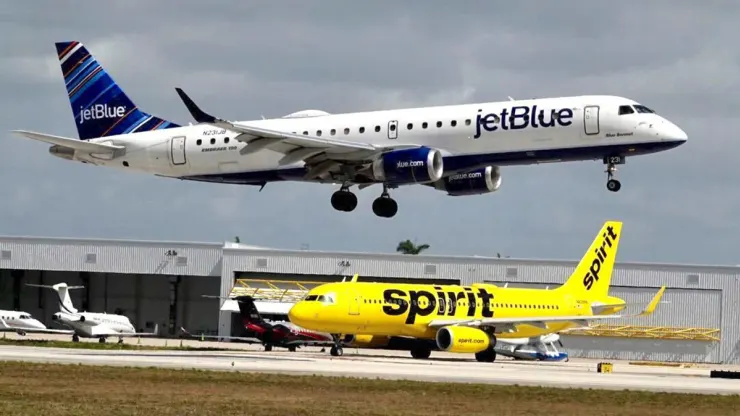
A difficult future awaits Spirit Airlines following the failed JetBlue takeover.
After a federal judge this week blocked JetBlue Airways' proposed $3.8 billion takeover of Spirit Airlines, the budget carrier is now in precarious financial position. The business community speculate that the airline may have to further reduce its already low fares. According to some Wall Street analysts, the discount carrier might need to reorganize, if not go bankrupt. Following the release of the decision on Tuesday, Spirit's stock dropped 47%. On Wednesday, they saw yet another 23% decline, reaching a new all-time low of $5.74 per share. Even before the decision, Spirit, whose last profitable year was 2019, was dealing with difficulties: it is managing the grounding of some Airbus narrow-body aircraft due to Pratt & Whitney engine problems; additionally, it is dealing with lower-than-expected demand in the wake of the pandemic, in addition to increased expenses.The airline may try to find a new buyer, but Helane Becker, an airline analyst at TD Cowen, stated in a note that "a more likely scenario is a Chapter 11 filing, followed by a liquidation." "We understand that this may sound severe and alarming, but the truth is that we think there are very few circumstances in which Spirit can reorganize." The airline, which is well-known for its inexpensive tickets and extra charges for things like baggage claim and seat preference, may have to further reduce prices if it files for bankruptcy. In an effort to get as much money as possible through the carrier, Becker predicted that major Spirit routes may see some shocking prices.
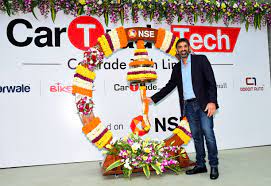
Sobek Auto to be acquired by CarTrade Tech for ₹537 crore
CarTrade Tech, an online vehicle classifieds platform, announced on Monday that it has signed an agreement to buy Sobek Auto India for a reported ₹537 crore. Sobek operates an online classifieds company in addition to an automotive digital platform. CarTrade Tech announced in a regulatory filing that the business has engaged into a share purchase agreement to purchase a 100% ownership in Sobek from OLX India BV, subject to the fulfilment of certain requirements. According to the company, the acquisition is a step towards its strategic goals of making investments that will complement CarTrade Tech's current commercial operations. On June 30, 2023, Sobek purchased the online classifieds company from OLX India in accordance with the terms and conditions specified in the business transfer agreement.

Volkswagen celebrates its 75th anniversary in the US market.
January 17, 2024, RESTON, Virginia /PRNewswire/ -- The first attempt to sell the Volkswagen Type 1, now known as the Beetle, to Americans was made exactly 75 years ago today when two of the cars touched down in New York. Seventy-five years later, the venerable carmaker is commemorating its modest beginnings, honoring those who have helped to integrate the brand into American culture, and laying the groundwork for the brand's next phase of ongoing change.Today, in honor of the historic anniversary, the company is launching a comprehensive, year-long campaign that aims to be both an invitation to participate in Volkswagen's electric future and a love letter to the people of America. "VW has transformed from a story about two Beetles to a significant part of American culture in the last 75 years," stated Rachael Zaluzec, Senior Vice President of Customer Experience & Brand Marketing at VW of America. "We hold individuals dear to our hearts and names. We will commemorate the real people and real-life events that have contributed to the Volkswagen brand becoming the beloved brand that it is today as we look forward to the next 75 years."Throughout the year, events are being organized to highlight the individuals, goods, and locations that have shaped one of the most recognizable brands in America. Following a break from Big Game advertising, Volkswagen will make a comeback to Super Bowl LVIII as part of the 75th anniversary campaign. Dutch businessman Ben Pon came to New York in 1949.
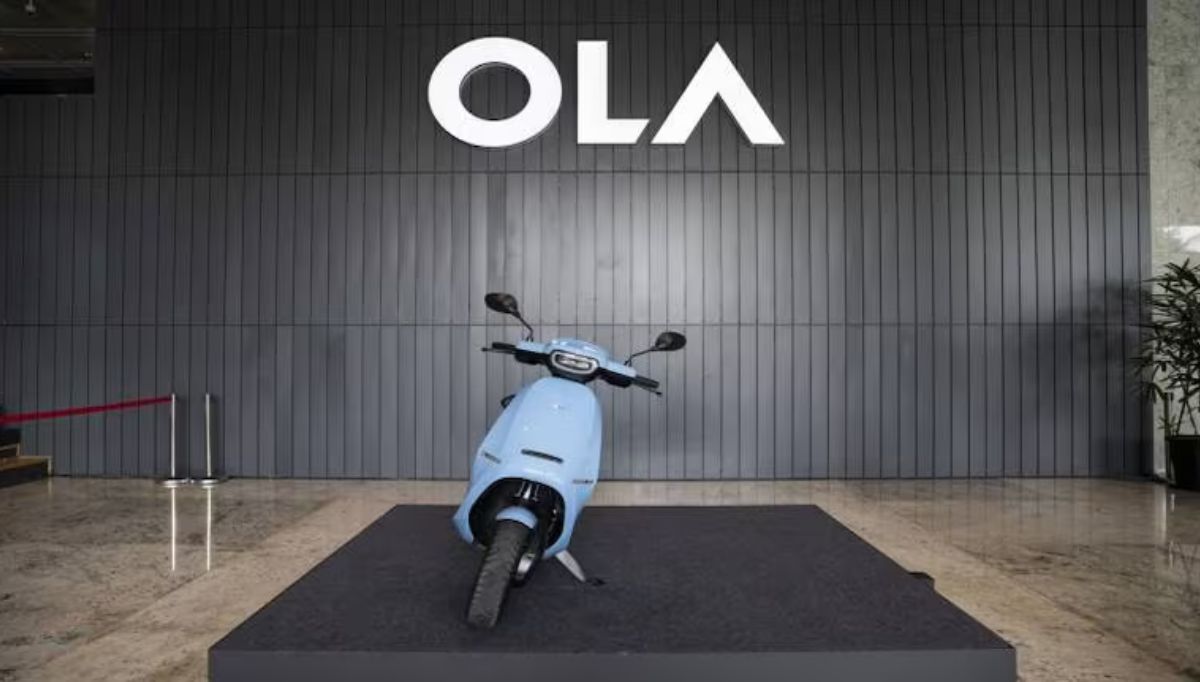
Ola Electric Introduces Ola Maps With Upgraded EV Software Move OS 4
The most recent iteration of Ola Electric's e-scooter software platform, called Move OS 4, allows for enhanced routing and a quicker, more precise search feature, according to the startup. A year after Ola announced that it was creating a specific navigation system for its cars and apps, the company has announced that Ola navigation will be used for commercial purposes on Ola EVs. Ola Electric submitted its DRHP to SEBI last month in an effort to raise more than INR 5,500 Cr through an IPO. On Thursday, January 18, Ola Electric released its in-house Ola Maps commercially along with the widespread release of the Move OS 4 software platform for its electric two-wheelers. The most recent iteration of Ola Electric's e-scooter software platform is called Move OS 4. MoveOS 4, according to the electric two-wheeler firm, has elevated navigating to an entirely new plane with Ola Maps. Improved navigation and a quicker, more precise search function are made possible by the updated software. Ola Electric claims that the revised user interface makes it easy for users to access necessary functionality without ever leaving the navigation screen. Furthermore, Ola Maps gives users the ability to mark their favourite spots for a fully customised navigation experience. Through Bluetooth, users may even locate their scooter by pushing places from their phone to it. One year after Ola announced it was working on a specialised maps system for its cars and applications and will soon be launching the system, the company announced that Ola Maps would be used for the first time on Ola EVs for commercial purposes. We are evaluating our own Ola maps! will launch in a few months on our cars and the Ola app! Bhavish Aggarwal, the CEO of Ola, stated in January of 2012. Ola Electric added that MoveOS 4 will provide over 100 new features and enhancements to the Ola S1 Gen 1 scooter range, S1 Pro (2nd Generation), and S1 Air. The update for S1 X+ is scheduled for the upcoming months. The business claimed that in addition to Ola Maps, the updated software version also includes enhancements to "Hill Descent Control" and the addition of "Cruise Control in eco-mode."
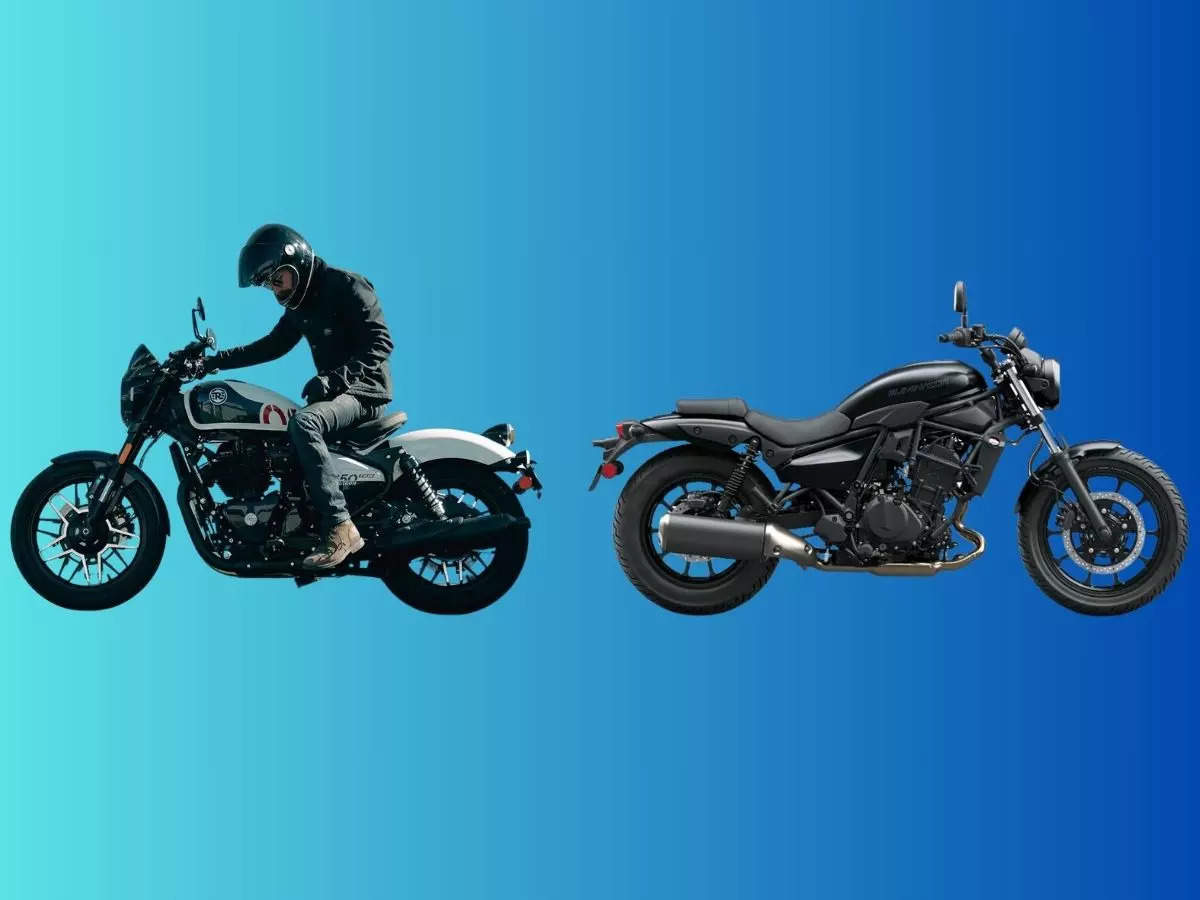
RE Shotgun 650 vs Kawasaki Eliminator – new twin engines but which one suits your pocket and need
Indian bike maker Royal Enfield has launched its latest bike, the Shotgun 650, the fourth bike in the company’s 650cc series in India. The Shotgun 650 is inspired by the company’s Super Meteor 650, with some design changes that give it a distinct look. While the Shotgun 650 has no direct rivals, it takes on the Kawasaki Eliminator as both are new twin-engine bikes. While the Eliminator is priced significantly higher than the Shotgun 650, it is one of the closest rivals to the new offering from Royal Enfield. The Kawasaki Eliminator is powered by a 451cc liquid-cooled engine compared to the 648cc air-cooled engine on the Shotgun 650cc. In terms of design, the Royal Enfield Shotgun 650 is inspired by the Royal Enfield Super Meteor 650 and is based on the same platform. However, the Shotgun 650 comes with a bobber design. It comes with a rugged design and features a round headlamp and rear-view mirrors. It comes with a single-piece seat and minimal body panels. It features blacked out engine parts that give it a retro look. It features a large 13.8-litre fuel tank and comes with an 18-inch front-wheel and a 17-inch rear wheel.Kawasaki Eliminator Price starts at Rs. 5.62 Lakh which is Rs. 2.02 Lakh costlier than base model of Royal Enfield Shotgun 650 priced at Rs. 3.59 Lakh. In technical specifications, Kawasaki Eliminator is powered by 451 cc engine , while Royal Enfield Shotgun 650 is powered by 648 cc engine. Kawasaki Eliminator is available in 1 different colours while Royal Enfield Shotgun 650 comes with 4 colours. The Comparison Kawasaki Eliminator vs Royal Enfield Shotgun 650 can be described on the basis of price and specifications.BikeWale brings you comparison of Kawasaki Eliminator and Royal Enfield Shotgun 650. The ex-showroom price of Kawasaki Eliminator is ₹ 5,62,000 and Royal Enfield Shotgun 650 is ₹ 3,59,430. Kawasaki Eliminator is available in 1 colour and 1 variant and Royal Enfield Shotgun 650 is available in 1 colour and 3 variants. Apart from prices, you can also find comparison of these bikes based on displacement, mileage, performance, and many more parameters. Comparison between these bikes have been carried out to help users make correct buying decision between Kawasaki Eliminator and Royal Enfield Shotgun 650.



Himanshu Bajaj is appointed as MD and Country Co-leader by Alvarez & Marsal India.
Himanshu Bajaj has been named MD and Co-Country Leader by A&M India. At BYJU's Tuition Center, Himanshu, an engineer and financial analyst, most recently held the positions of CEO and Business Head firm's corporate growth plan. Himanshu spent more than 16 years as Kearney's Head of Asia, Consumer, and Retail Practice in his prior positions. Early in his career, he also held positions as a Revenue Management Analyst with Federal Express and a Consultant with TSMG. "Himanshu's appointment demonstrates the firm's continued commitment to investing in people, achieving scale, and positioning for growth in support of clients in India and around the world," stated Bryan Marsal, CEO and co-founder of A&M, in welcoming Himanshu to the leadership team. The next stage of our worldwide strategic expansion plan is represented by A&M India's growing talent pool and products, which complement our integrated platform and are consistent with our operational legacy."We are growing our firm in India to meet a high level of demand and expanding our transformation and digital capabilities across sectors," Utamsingh said, welcoming his co-leader Himanshu as well. Over the next 24 months, we anticipate tripling the number of Managing Directors based in India. It gives me great pleasure to welcome Himanshu and I look forward to working with him to head our India business."Adding Himanshu to our team aligns with our strategy for leveraging innovation, growing consumer demand, rising per capita income levels, and strong investment incentives we see across India," stated Luis de Lucio, MD, Head of Growth Markets. Our capacity to assist corporations, private equity (PE) firms, and organizations in finding answers to challenging issues including supply chain management, manufacturing alternatives, and growth acceleration is strengthened by Himanshu's experience. We have big ideas. Our team in India is growing and prepared. "India will see tremendous growth over the next several decades and become the leading market for corporate and investment activity," Himanshu continued. Established and startup companies in a variety of industries will need assistance in resolving challenging operational and strategic issues as they strive to create meaningful value. One important point of differentiation in the market for A&M is the combination of its operational history and range of services, which includes corporate finance and restructuring, financial due diligence, and disputes and investigations.
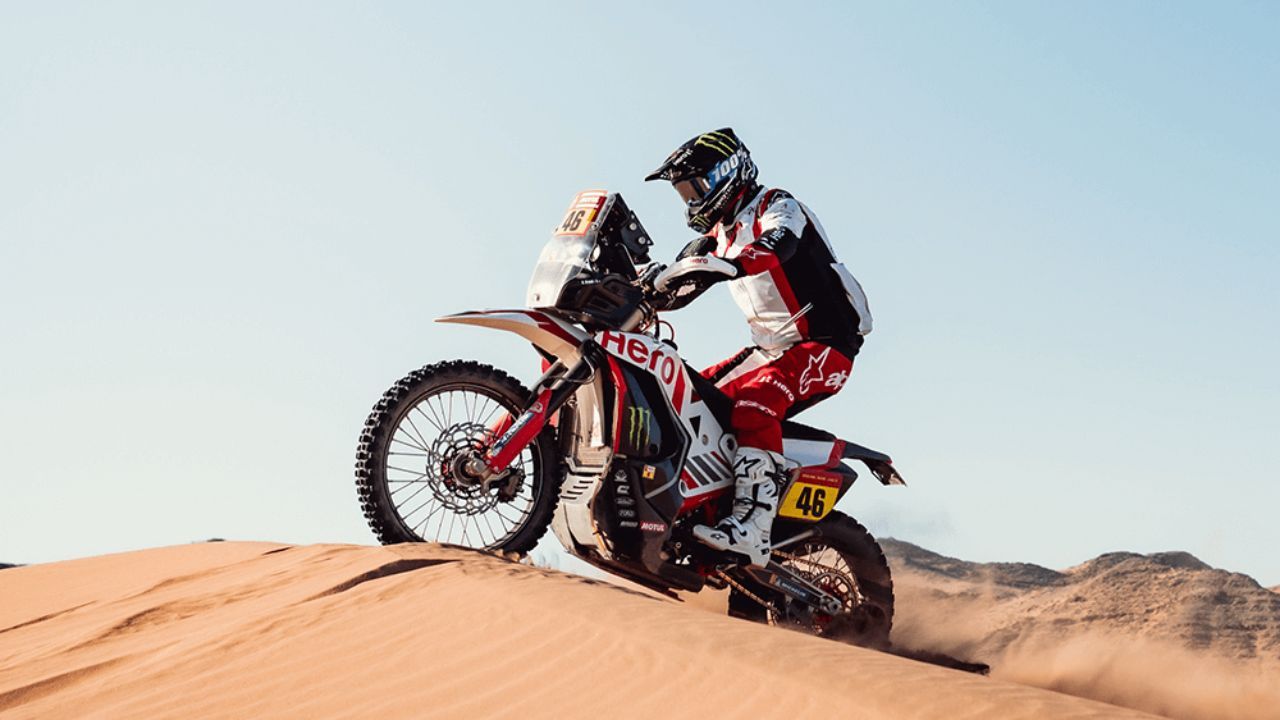
Dakar 2024 Result: Harith Noah Wins in Rally 2 Class, Hero MotoSports Makes History
The 2024 Dakar Rally was a great event that came to a close. After years of KTM domination, Honda finally won the Dakar Rally, with Hero MotorSports finishing in second place, just behind the KTMs. It is worth mentioning that Harith Noah won the Rally 2 class, which was a significant milestone for India in the Dakar Rally.The short 175km special stage of the day was all KTM, as the brand was on full display with a 1-2 podium finish. Toby Price won the stage, with defending champion Kevin Benavides in hot pursuit. But the overall winners were decided over the previous days, and Honda's Ricky Brabec was in the lead from the start. For a short time, Hero's Ross Branch was the race leader. After Benevides and Price of KTM crossed the finish line first and second, Adrien Van Beveren of KTM took third.As the only manufacturer entered in the Rally 2 class of this year's Dakar Rally, Harith Noah—supported by TVS—and Sherco were the only competitors to stand out. After finishing the most recent stage in eleventh place, the Indian rider won the Rally 2 class overall. Even in the overall standings, Noah's performance was remarkable. He finished the 2024 Dakar Rally in eleventh place, making history as the first Indian to ever win a stage, finish on the podium, and finish in the top fifteen.Noah showed resiliency by overcoming health issues in the first week and then picked up steam in the second week of the competition. His incredible jump from 18th to 13th place overall over the 48H Chrono Stage 6 is worth noting. Stage 8 and Stage 10, in which he twice set the fastest rally, were particularly impressive for his sustained growth.It's important to remember that RallyGP and Rally 2 are two separate classes. Only highly experienced racers who have been accepted by the FIM Championship Committee based on their sports credentials are allowed to compete in the RallyGP class. Rally 2 offers a more welcoming environment for riders from various backgrounds since it is available to anyone who isn't already in the RallyGP riders' registration.Despite finishing ten minutes and fifty-three seconds behind winner Ricky Brabec, Hero MotoSports' Ross Branch managed an outstanding second-place finish in the 2024 Dakar Rally. Hero MotoSports has achieved a remarkable feat, becoming the first Indian team to secure a podium place in the esteemed race.By the end of the sixth stage of the 2024 Dakar Rally, three of Hero's four riders had pulled out due to the extreme difficulties they had encountered. Ross Branch was the sole Hero MotoSports competitor in Dakar 2024, despite the team's other three riders withdrawing: Joaquim Rodrigues, Sebastian Buhler, and Joan Barreda Bort. Nevertheless, he quickly established himself as a strong candidate for the ultimate win.Branch won the first stage of the rally and remained in first place until the fifth stage. He showed his skill by finishing second in Stage 11 with the fastest time and then followed Honda's Ricky Brabec closely in the following stages.Ross Branch said: “Finally finished the Dakar!! It was a really tough Dakar 2024, and I'm so thrilled to be here! Finishing on the podium was always the goal, and today it's a dream come true. I'm really over the moon to achieve this goal for Hero. And a big thank you to the team for developing a highly competitive machine, for the sleepless 3 weeks here, and for everything they've sacrificed to reach to this point. I'm really proud of my team. We've got some more work to do to be on the next step, so we'll look forward to that in the next year. A big thank you to everyone for your continued support from all around the world!”With a ninth-place finish in the last 174-kilometre stage near Yanbu, the South African rider solidified his position as second overall. This incredible feat not only marks Branch's first podium finish at the Dakar, but it also marks the first podium for an Indian team in the history of the race.
Hyundai Motor India Acquires GMs Talegaon Plant; to Invest Rs 6,000 Crore in Maharashtra
Hyundai Motor India Ltd. (HMIL), has acquired the Talegaon factory of General Motors India, located in Pune, Maharashtra. Following the fulfillment of specific requirements and obtainment regulatory clearance from the relevant government departments and stakeholders, the acquisition has been completed. Hyundai Motor India has also inked a formal Memorandum of Understanding (MoU) with the Maharashtra government. With this, it has pledged to spend Rs 6,000 crore in the state. At the moment, the Talegaon factory produces 1,30,000 units per year. To reach its targets, the automaker plans to increase production capacity even further. HMIL states that the facility will be updated to meet the company's global manufacturing and operational needs. To achieve production excellence, investments will be undertaken in stages to gradually update the plant's existing infrastructure and equipment.Mr. Un Soo Kim, MD & CEO, of Hyundai Motor India Ltd., shared his thoughts on the acquisition and commented ''India is a very important market for Hyundai Motor Company, and we are committed to providing benchmark creating products & technologies to Indian customers. As we look forward to the next decade of progress for Hyundai Motor India, it is critical for us to augment our manufacturing capacity in India.''He further added ''The Talegaon manufacturing plant will play the role of a catalyst in achieving HMIL’s 1 million annual production capacity milestone. The acquisition of the Talegaon plant reinforces our commitment to ‘Atmanirbhar Bharat’ (Self-Reliant India), by making India a hub for advanced smart mobility solutions, Make-In-India for the world. Our manufacturing operations are scheduled to begin in Talegaon, Maharashtra in the year 2025.”With a starting price of Rs 10.99 lakh (ex-showroom), Hyundai launched the eagerly awaited Creta Facelift in India on January 16. Along with many interior upgrades and a new engine option, the facelift gives the car a more robust exterior look. Over 70 safety features—36 of which are standard—are included in the recently redesigned Creta. TPMS, electronic stability control, an all-wheel disc brake system, and six airbags are a few of them. The highest-spec versions come with 19 Level 2 ADAS features (Hyundai SmartSense).The 1.5-litre naturally aspirated (NA) and 1.5-litre CRDi diesel engine options for the SUV remain the same. However, a new 1.5-litre turbocharged GDi petrol engine is now offered as an option in this lineup. The new 1.5-litre turbocharged GDi petrol unit delivers 158bhp and 253Nm of performance numbers.
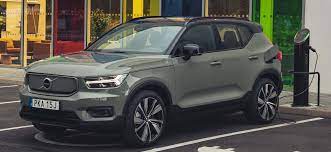
Volvo’s 10,000th car in India is its first pure electric offering
Volvo Car India has achieved a significant milestone by producing its ten thousandth car at its Bangalore facility. The company, which began assembly operations in 2017, has seen the highest production of the XC60 model, with over 4000 units produced to date.Jyoti Malhotra, Managing Director of Volvo Car India, in a company statement, revealed that the honour of being the ten thousandth car produced goes to the XC40 Recharge, the company's first pure electric offering.Malhotra said, "It is indeed a matter of pride for the company to have reached this milestone in a short span of time in spite of nearly three years of pandemic disruptions."Gao Feng, Production Head of Volvo Car India, highlighted the plant's achievement of rolling out India's first domestically assembled electric vehicle (EV), the XC40 Recharge. Today, the company assembles all its models in India, including the XC90, XC60, S90, XC40 Recharge, and the recently launched C40 Recharge.Meanwhile, Volvo Car India announced a 2% price increase for its conventional engine vehicles on Monday, while the prices of its EV offerings remain unchanged.Following the price hike, the XC60 is priced at ₹68.9 lakh, the S90 at ₹68.25 lakh, and the XC90 at ₹1,00,89,000.However, the prices of the XC40 Recharge and C40 Recharge remain unchanged at ₹57.9 lakh and ₹62.95 lakh, respectively.
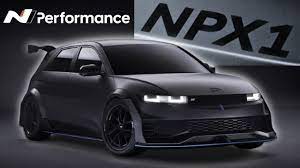
Hyundai introduces ‘IONIQ 5 N NPX1’ concept with N Performance Parts
Hyundai Motor Company has unveiled the ‘IONIQ 5 N NPX1’, a concept model equipped with prototype N Performance Parts, at the Tokyo Auto Salon 2024. The ‘NPX1’ is the first N Performance Parts concept model based on the company’s high-performance electric vehicle (EV) IONIQ 5 N. The company plans to enhance the EV ownership experience with N Performance Parts, a project that began in 2019 and continues to develop high-quality tuning parts for customers. Following the success of internal combustion engine vehicles such as the Elantra N, i30 N, and i20 N, Hyundai N plans to offer specialised tuning components for all-electric N models, including the IONIQ 5 N.The ‘NPX1’ concept model previews a range of N-specific enhancements that will soon be available for purchase from a catalogue of N Performance Parts.These enhancements include a carbon front splitter, side skirts, rear diffuser, rear wing spoiler, lightweight hybrid carbon wheels, high-performance brake pads, and lowering springs. The concept model’s interior is further enhanced with Alcantara material and racing bucket seats.The prototype N Performance Parts applied to the NPX1 concept will be further developed for production in preparation for sales in 2024. Starting with the IONIQ 5 N, Hyundai N will expand the availability of N Performance Parts products for all N models.Joon Park, Vice President of N Brand Management Group at Hyundai, said, “In 2024, Hyundai Motor Company will take a step forward as a leader in new tuning parts suitable for the high-performance EV era as demonstrated with the ‘NPX1’ concept model.”He added that the company is also developing software customisation such as sound and vehicle calibration by over-the-air (OTA) updates, opening a completely new category of EV customisation for an exciting future for the tuning community.
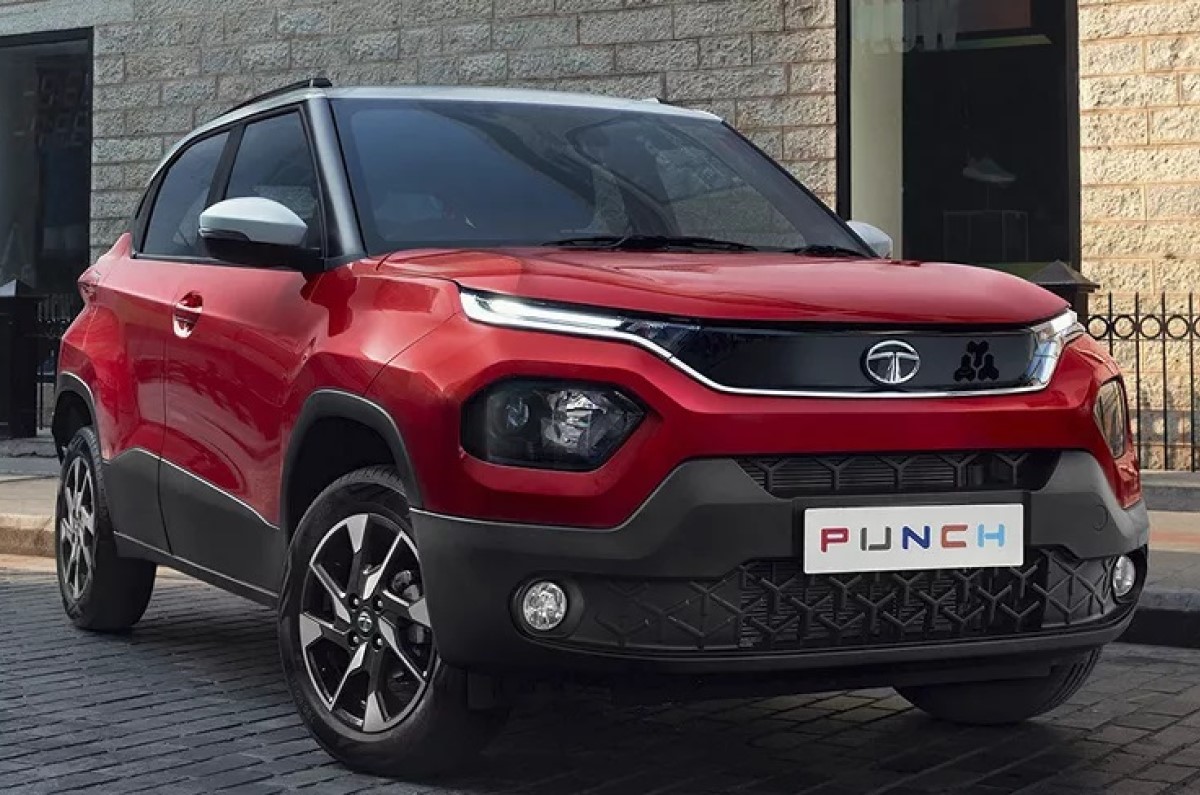
Tata Punch facelift launch confirmed for 2025
The Tata Punch petrol will see a mid-life facelift sometime next year. Confirming this development on the sidelines of the Punch EV launch, Tata Motors’ Passenger Vehicles Unit MD, Shailesh Chandra, said, “As far as the upgrade of the Punch is concerned, you know that it was launched in October 2021. Typical facelift period is three years. So, we should be expecting a facelift for the ICE version only in mid-2025, or slightly later.” Just like what we’ve seen on the Nexon and Harrier facelifts recently, expect Tata Motors to update the Punch SUV’s styling with fresh design cues to bring it in line with the newer Tata models. Changes to the front bumper and grille, along with minor tweaks to the headlamps and the bonnet can be expected to make the small SUV look new.Like the Nexon and the Nexon EV facelift, there will be styling bits that will help differentiate the petrol-powered Punch from the recently launched Punch EV. What’s more, Chandra also said that the Punch will have feature differences between the petrol and EV versions.
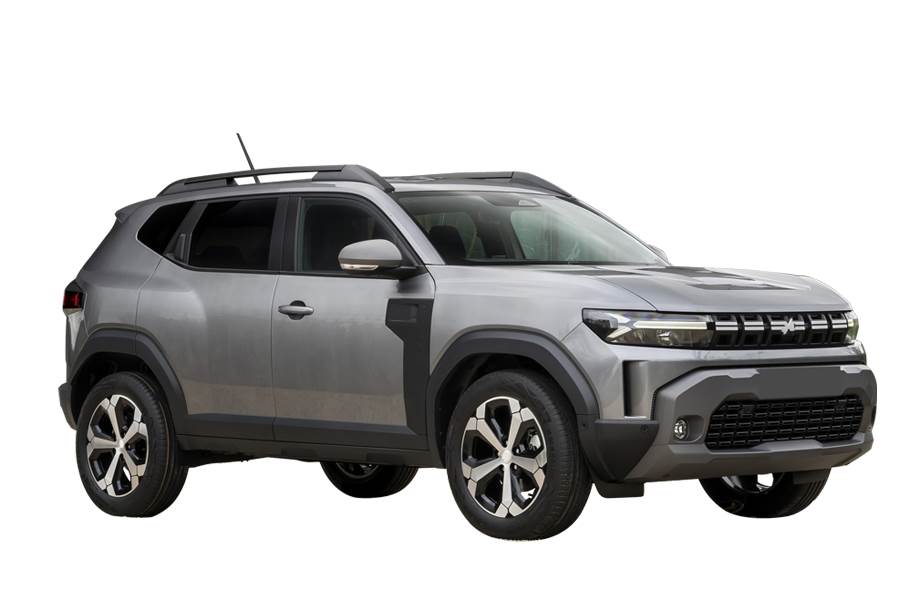
Renault Bigster global debut later this year
The new Renault Bigster SUV will see a global debut later this year and is expected to go on sale internationally by early 2025. Revealed as a concept in 2021, it is essentially a three-row iteration of the all-new Duster, which made its global debut a few months ago. Sources have conveyed to our friends at Motor1 Brazil that the Bigster SUV will share its design cues largely with the new Duster and the Bigster concept. Essentially, it will be most likely an elongated version of the Duster, similar to what we see with the Creta and Alcazar in India. There will, however, be styling, tech and equipment differences on the inside and out. This new SUV from Renault will be around 4.6 metres long – nearly 0.3 metres longer than the new Duster, which measures 4.34 metres. It will get rugged looks and interior bits from the Duster, but there will be more upmarket materials and additional creature comforts to justify the SUV's higher price tag. The Duster currently has a 2,657mm wheelbase, which also could see an increment for the Bigster in order to facilitate easy ingress-egress and more cabin room. As far as the platform goes, the Bigster will share the same CMF-B modular architecture. There isn’t much known about its powertrain options, however, it will be safe to expect that the SUV will share its powertrain line-up with the latest-gen Duster, which comes with three engine options – two of which are electrified. Starting the proceedings is the 1.6-litre four-cylinder petrol hybrid that gets two electric motors; this engine comes with an automatic gearbox. It also comes with regenerative braking and a 1.2kWh battery, enabling purely electric driving for up to 80 percent of the time in the city.The next engine is the 130hp, 1.2-litre three-cylinder turbo-petrol coupled with a 48V starter motor. While the Duster will also come with a 1.0-litre petrol-LPG option in some markets, there is no diesel option in any market right now. The next engine is the 130hp, 1.2-litre three-cylinder turbo-petrol coupled with a 48V starter motor. While the Duster will also come with a 1.0-litre petrol-LPG option in some markets, there is no diesel option in any market right now.
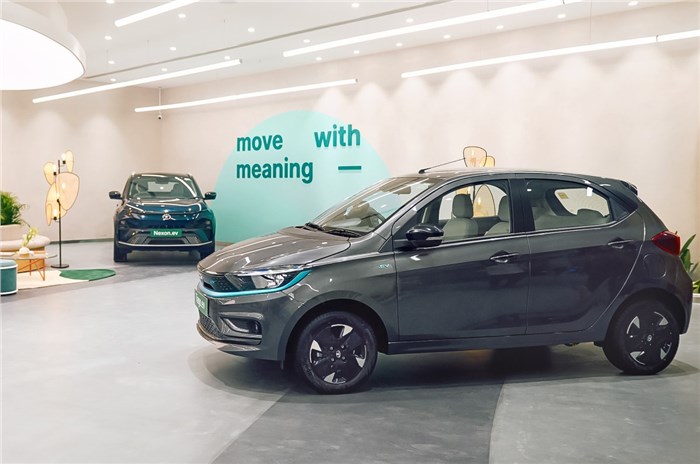
Tata Motors aims for EVs to make up 15-17 percent of its volume in 2024
Tata Motors, which currently holds over 75 percent of electric vehicle market share, expects strong demand for its latest all-electric model – the Punch EV. The carmaker clocked its best-ever EV sales of 69,153 units in CY23, registering a robust 62 percent year-on-year (YoY) growth (CY22: 43,451 units). The electric SUV, which expands the company’s EV portfolio to four products – Tiago EV, Tigor EV, Nexon EV and Punch EV – will allow Tata Motors to tap into another vacant space in the segment. In the ongoing calendar year, it has the Curvv and Harrier EVs lined up for introduction, while next year, it will further expand its EV line-up with the Sierra EV and Altroz EV. Tata Motors currently sees EV volume contribution being pegged at around 12-15 percent (17-20 percent in terms of revenues), and expects it to reach 15-17 percent by the end of 2024. It expects EV penetration in its portfolio to touch 25 percent over the next three years, and reach 50 percent by 2030. The company anticipates waiting periods to creep in for the Punch EV, but is also geared to ramp up capacity at its newly operational plant in Sanand, Gujarat, to bring the delivery times under control, and within reasonable timeframes. “We are prepared to ramp up capacity starting the second half of this month, and we are hopeful of keeping the waiting periods within a reasonable number of months,” said Shailesh Chandra, managing director of Tata Passenger Electric Mobility (TPEM) and Tata Motors Passenger Vehicles. As the company switches to Gen-2 ground-up EV architecture – Acti.ev – with the Punch EV, Tata Motors says its magnitude of investment in EVs has increased multifold. Tata Motors believes the Punch EV is uniquely positioned between the Tiago EV and Nexon EV in its portfolio, and targets the young buyer eyeing an all-rounder product.“With almost 65 percent buyers being younger than 35, tech-savvy, and having a certain price point in mind, if one offers a product with a high value, it is bound to create a new customer segment for this kind of an EV, which, with its over 400km range, does not limit the car purely for city use,” Chandra said.He further said that the Nexon and Tiago EVs have very different customer bases – the former is used as a primary car, but in a multi-car household, while the latter – a 320km-range product – is primarily used within the city with limited outdoorsy experience. “The Punch EV sits right in between the two. There is no such product below Rs 15 lakh so far, and therefore, there is not going to be significant cannibalisation within our portfolio,” he further highlighted.Last month, Tata Motors opened two of its flagship EV-only stores in Gurugram, and aims to expand the exercise with more such outlets in key markets across the country in the next 12-18 months.
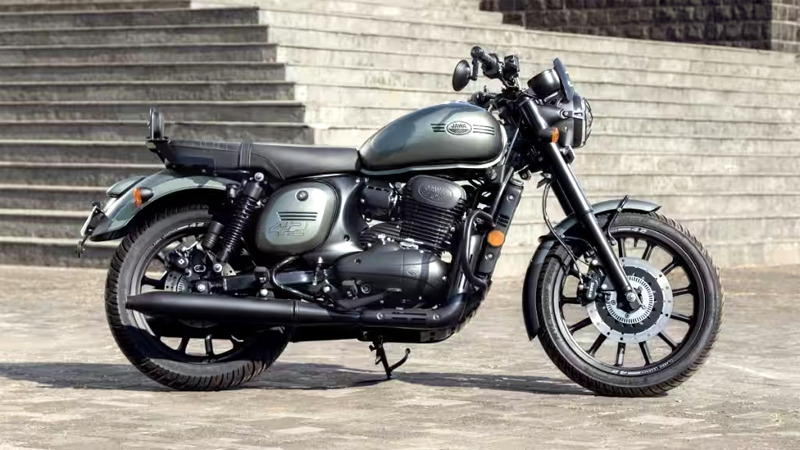
Jawa Yezdi Motorcycles eyes ASEAN market for Jawa exports
The company has been exporting Jawa back to the Czech Republic-based JAWA Moto spol. S r.O. The successor to the original JAWA company using the trademark JAWA, which in turn sells the bikes mostly in Eastern Europe and the Czech Republic. Jawa Yezdi Motorcycles plans to start exports of Jawa brand of bikes in ASEAN countries in the next three to four months, a top company official said on Thursday. The company, which launched the new Jawa 350 priced at Rs 2,14,950 (ex-showroom Delhi), is also working to enhance its reach across India, especially in smaller cities targeting to open 750 outlets in the next 24 to 30 months, Jawa Yezdi Motorcycles CEO Ashish Singh Joshi told reporters in an interaction here. The company has been exporting Jawa back to the Czech Republic-based JAWA Moto spol. S r.O. The successor to the original JAWA company using the trademark JAWA, which in turn sells the bikes mostly in Eastern Europe and the Czech Republic. We also sell directly in Nepal and we have already opened operations in the Philippines, which will serve as the hub to sell in other ASEAN countries such as Malaysia, Vietnam and Thailand," Joshi said. This is likely to start in the next three to four months, he said.On export volumes, Joshi said it is not so large considering the company's focus has been on the Indian market.After making a comeback in India in 2018, the company has sold about 2 lakh units in total, out of which nearly 5,000 units have been exported.When asked about domestic plans, Joshi said Jawa Yezdi Motorcycles plans to bring in more models to add to the existing nine products in its stable at present without specifying details. Also, he said the company is on a network expansion journey to widen and deepen its presence across India. "We are looking to increase our outlets to 750 in the next 24 to 30 months from 423 at present," he said, adding that when the company started it was mainly in the metros and major cities.It has gradually entered smaller cities and towns and will continue to do so, while also increasing the number of outlets in cities where it already has a presence to deepen its presence, Joshi added.On the outlook, he said the company is looking at "double-digit" growth this year, having overcome the COVID-19 induced disruptions and supply chain issues."2024 is going to be the year of consolidation for us," he said, adding that the premium motorcycle segment in India has recovered while the entry-level motorcycle segment is also witnessing recovery.
2024 Hyundai Creta Facelift Review: New Look, Updated Interior And Powertrains Enhance Bestseller’s Appeal
Strikingly different face with new radiator grille. All-new dashboard and interior trim with Level 2 ADAS. Dual-clutch transmission returns but with a 1.5-litre turbo petrol. This is the new Hyundai Creta. Not a generation change, but this is a facelifted version of the second-gen Creta which has been Hyundai’s best-selling model for some time now. It has been given a substantial refresh in terms of design, features and a new range-topping powertrain.The Creta remains the same size as the version it replaces. On paper, the length has increased by 30 mm due to the redesigned bumpers but overall width, height, wheelbase and front/rear tracks don’t change. Even ground clearance is the same at 190mm.The front and rear design has undergone a sea change. Two years ago, Hyundai started production of the Creta in Indonesia and it looked different than the one in India and most jumped the gun to say that this was the one that would come to India as well. However, what has arrived is quite different. It gets a rectangular radiator grille shape – surprisingly, more similar to the smaller Venue rather than the parametric grille we see in the bigger new Tucson. Horizon lights with DRLs give it a distinct identity and are reminiscent of the new flagship Santa Fe that broke cover in 2023.Hyundai has done an Apple here with the headlamps - instead of tri-beam it is now quad-beam. The SUV looks less rounded and more upright now due to the changes. The previous design of the Creta was quite polarising, just like its name when it was first launched eight years ago, but both grew on us and how. This one is less polarising than the outgoing Creta, but a tad generic. Now that is my personal opinion - looks are subjective so let us know in the comments if you think otherwise.Hyundai recently updated its engines to be BS6 Phase-2 compliant, so the Creta continues with its previous set of powertrains. There are some changes though. The engine options start with a 1.5 petrol from its Kappa family, a 1.5 turbo diesel is on offer too with the range topper being the new 1.5 turbo petrol which is also available in the all-new Verna. The previous Creta came with a 1.4-litre turbo which is now discontinued. On the transmission side there is a six-speed manual or a continuously variable transmission it calls ‘iVT’ for the naturally-aspirated petrol engine. Diesel gets a 6-speed torque converter or a 6-speed manual while the turbo petrol gets a 7-speed dual clutch transmission.The 1.5 diesel is slicker than ever and feels more refined than in the earlier Creta. It has oodles of torque and it appears in a wide range across the rev band. What I like is how vibrations are under check and so is the noise. The six-speed automatic isn’t as quick as the dual clutch but is fairly practical. Where the gearbox lacks in speed it compensates with finesse. Acceleration feels purposeful and confident. Steering weighs up nicely and the Creta suspension does well to balance between absorbing potholes and maintaining poise, whatever the speed.The CVT version too feels perfect for urban and less hurried highway driving. The start is smooth and through the power band it doesn’t feel stressed. It is only when you floor the throttle is when the engine sounds a bit stressed as you need to rev higher for peak torque.
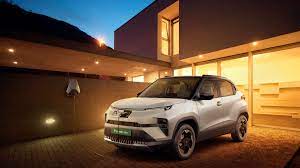
Tata Punch EV Launched In India; Prices Start At Rs. 10.99 Lakh
Tata Motors has launched the all-new Punch EV in the Indian market with prices ranging from Rs. 10.99 lakh to Rs. 14.49 lakh (ex-showroom). Based on Tata’s new born EV ‘Acti.ev’ architecture, the Punch EV will become Tata’s fourth EV to go on sale in India after the electric versions of the Nexon, Tiago and Tigor. The vehicle will be available in a total of five trims- Smart, Smart +, Adventure, Empowered and Empowered +and two range options – Standard and Long Range (LR).In terms of design, the Punch.ev has a lot in common with the standard Punch but also features a few distinctive styling cues that set it apart. These include the new slim, full-width LED DRLs, a charging port situated behind the front Tata logo and new 16-inch diamond-cut alloy wheels. The interior, however, is vastly different from the ICE model and is equipped with a 10.25-inch central touchscreen infotainment system, along with a 10.25-inch full-digital instrument console.The EV’s equipment list includes ventilated front seats, an electronic parking brake with auto-hold, cornering fog lamps, auto-folding wing mirrors, an electric sunroof, wireless phone charging and 360-degree cameras. On the safety front, the Punch EV gets six airbags and electronic stability programme (ESP) as standard, and a blind spot monitor on the top-spec variant.The EV’s equipment list includes ventilated front seats, an electronic parking brake with auto-hold, cornering fog lamps, auto-folding wing mirrors, an electric sunroof, wireless phone charging and 360-degree cameras. On the safety front, the Punch EV gets six airbags and electronic stability programme (ESP) as standard, and a blind spot monitor on the top-spec variant.The Punch.ev also features bolstered ventilated leatherette seats, mood lights and an Air purifier with AQI display. Additionally, the Punch.ev comes with paddle-shifters, which enables the 4-level multi-mode regeneration and over-the-air software upgrade capabilities.On the powertrain front, the Long Range variant of the vehicle will be offered with a 90 kW motor with a torque output of 190 Nm. It will also feature a battery capacity of 35 kWh and a ARAI range of 421 km. The regular Punch.ev will have a 25 kWh battery, with a range of 315 km along with a 69 kW motor and 114 Nm of torque output.The Punch EV will be offered with a 3.3 kW wall box charger as standard while a 7.2 kW AC fast charger is also available as an option for an additional Rs 50,000.To be offered in five trims- Smart, Smart+, Adventure, Empowered and Empowered+.Gets a new infotainment system and full-digital instruments display.To be offered with two range options – Standard and Long Range (LR).
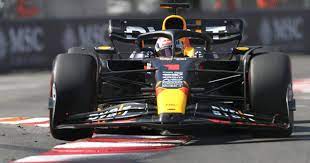
Red Bull Racing RB20 F1 Race Car Launch Date Revealed
Red Bull announces its Formula 1 2024 season launch date, set for February 15, aligning with Mercedes and Alpine's unveiling. Sergio Perez is confirmed to continue alongside Verstappen in 2024. Its predecessor, the RB19, dominated the 2023 season with all but one of the 22 Grand Prix races. Red Bull Racing has officially announced its Formula 1 2024 season launch date, aligning with its rivals Mercedes and Alpine. The unveiling is scheduled for February 15, a mere six days before the commencement of winter testing in Bahrain. While it remains uncertain whether Red Bull will present the actual RB20 car or reveal an updated colour scheme on a show car, expectations are high following the exceptional success of its predecessor, the RB19, which dominated the 2023 season, securing all but one of the 22 Grand Prix victories and propelling Max Verstappen to a more than comfortable third world championship.In response to questions about the team's prospects in the upcoming season, Christian Horner, Red Bull team boss, drew parallels with Mercedes' dominance in 2020 and emphasised the dynamic nature of Formula. Despite subtle rule changes, Horner acknowledged the evolving competition and expressed the team's commitment to adapting lessons learned from the RB19 to the development of the RB20, aiming for a competitive car to defend their titles.Sergio Perez is confirmed to continue alongside Verstappen in 2024, facing a crucial year to secure a contract extension with Red Bull. The team's launch follows announcements from Mercedes and Alpine, with Mercedes revealing its new W15 on February 14. Alpine, Renault's brand, is set to unveil its 2024 motorsport season, encompassing both F1 and the World Endurance Championship teams, on February 7. The launch dates for AlphaTauri, McLaren, and Haas are yet to be disclosed, completing the lineup of F1 teams preparing for the upcoming campaign.

